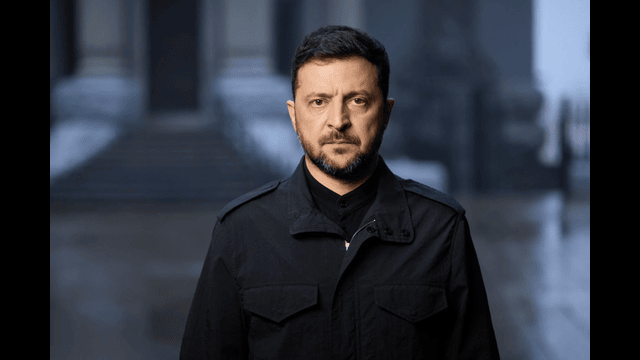
In this photo provided by the Press Service Of The President Of Ukraine on Nov. 21, 2025, Ukraine’s President Volodymyr Zelenskyy looks into the camera while delivering a video address to the nation in Kyiv, Ukraine.
A new Ukraine peace plan proposed by the United States and Russia has placed Kyiv in an extremely fragile diplomatic position. The 28-point proposal, drafted without Ukraine’s participation, attempts to end the four-year war but demands concessions Ukrainian leaders have repeatedly rejected.
President Volodymyr Zelenskyy now faces the difficult task of maintaining critical U.S. support without agreeing to terms that undermine Ukraine’s sovereignty.
A Peace Plan Crafted Without Ukraine
The Ukraine peace plan was negotiated between the Trump administration and the Kremlin. Ukraine was excluded from the process.
The proposal aligns with several Russian demands, including territorial concessions that Zelenskyy has refused countless times. It suggests recognizing Crimea and the occupied areas of Luhansk and Donetsk as de facto Russian territory.
Russian President Vladimir Putin praised the plan, calling it a possible “basis for a final peace settlement” if the U.S. can persuade Ukraine and Europe to agree.
Zelenskyy Stresses a Secure and Lasting Peace
In his nightly address, Zelenskyy said Ukraine needs a peace that prevents future Russian aggression. He stressed that Kyiv will coordinate closely with the EU and the U.S. to ensure national security remains uncompromised.
Territorial Concessions at the Core of the Proposal
The Ukraine peace plan attempts to balance sovereignty with enforced concessions. It acknowledges Ukraine’s statehood but simultaneously legitimizes Russia’s claim over Crimea and the occupied areas of Donetsk and Luhansk.
It also proposes freezing the front lines in Kherson and Zaporizhzhia, essentially rewarding Russia’s partial occupation.
Under the plan, Ukraine would withdraw from areas Russia has not been able to capture. These withdrawal zones would become demilitarized territories internationally recognized as Russian.
Russia, in return, would step back from territories it still holds outside the five key regions, including areas in Sumy and Kharkiv. However, the details remain vague.
Ukrainian lawmakers say the proposal is full of contradictions. “It starts by guaranteeing sovereignty but then undermines it,” said Oleksandr Merezhko, head of Ukraine’s foreign affairs committee.
Security Guarantees and NATO Restrictions
The Ukraine peace plan demands that Kyiv amend its constitution to permanently abandon NATO membership. NATO would also formally agree that Ukraine will never join the alliance.
The plan limits Ukraine’s army to 600,000 troops and prohibits NATO forces from being stationed on Ukrainian soil, restricting Kyiv’s military partnerships.
On the European front, Kyiv would receive temporary preferential access to EU markets while working toward reforms required for EU membership.
However, the plan offers only vague promises of Western security guarantees, raising questions about how Ukraine would be protected from future Russian attacks.
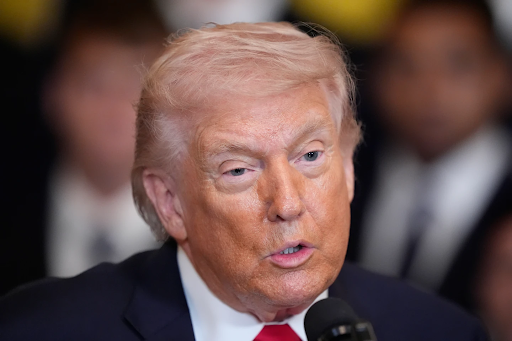
Zelenskyy has repeatedly said NATO membership is the only reliable long-term security solution. But President Trump has openly stated that Ukraine’s NATO bid is no longer viable.
NATO Expansion and Russia’s Assurances
Under the Ukraine peace plan, Russia would pledge not to invade neighboring countries, while NATO agrees to halt further expansion.
NATO decisions require consensus among all 32 members, and U.S. influence has weakened under Trump. The alliance remains cautious about admitting Ukraine during an active war.
Accountability for War Crimes
One of the most controversial demands in the Ukraine peace plan is that Kyiv must drop all claims to hold Russia accountable for wartime atrocities.
This would deprive thousands of Ukrainians of reparations or justice. U.N. experts have documented Russia’s torture of civilians and prisoners of war, labeling it a crime against humanity.
Analyst Volodymyr Fesenko warned that accepting the plan would be “catastrophic” for Zelenskyy. Yet rejecting it could provoke intense pressure from Washington.
Some elements—like neutrality or granting Russian language official status—would require constitutional amendments, meaning Zelenskyy cannot implement them unilaterally.
A national referendum may be Ukraine’s only compromise option, Fesenko added.
Russia’s Frozen Assets and Reconstruction
The plan requires Russia to allow $100 billion of its frozen assets to be used for rebuilding Ukraine.
Moscow strongly opposes this. Kremlin spokesman Dmitry Peskov warned that anyone attempting to use Russia’s frozen funds will face consequences, calling such actions “theft.”
A Peace Plan Full of Risks
The Ukraine peace plan presents a complex mix of geopolitical pressure, territorial disputes, and security challenges. For Kyiv, the decision is fraught with consequences—accepting the plan risks legitimizing Russian aggression, while rejecting it risks straining ties with the United States.
Ukraine now faces one of its most delicate diplomatic moments since the invasion began.