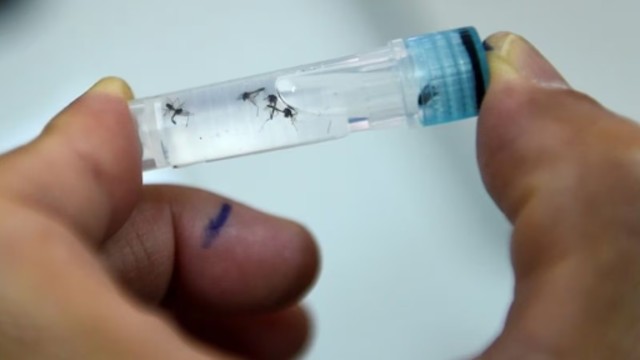
Dengue fever is one of the world's most common mosquito-borne viruses. (AFP)
Brazil has taken a major step in the global fight against dengue. Authorities have approved the world’s first single-dose dengue vaccine for the fast-spreading mosquito-borne disease, marking a breakthrough moment as infections surge worldwide.
A Timely Breakthrough Amid Rising Dengue Cases
Dengue has reached unprecedented levels in recent years. The illness brings high fever, intense fatigue, and severe body aches, often leaving patients bedridden. Researchers link its rapid spread to rising temperatures, which help mosquitoes thrive in new regions. In 2024 alone, the World Health Organization reported more than 14.6 million cases and nearly 12,000 deaths. Half of those deaths occurred in Brazil.
A New Option for Faster Protection
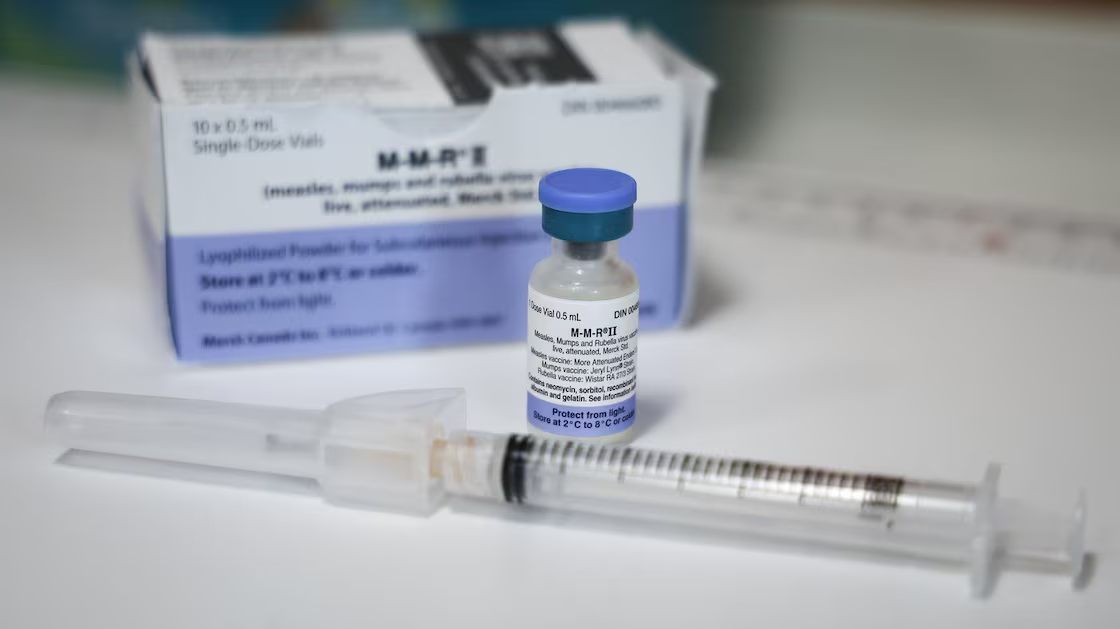
Brazil’s health regulator ANVISA has authorized Butantan-DV, a vaccine developed by the Butantan Institute in São Paulo. It is approved for people aged 12 to 59. Unlike the existing TAK-003 vaccine, which requires two doses spaced three months apart, this new version works with a single shot. That shift is expected to accelerate vaccination campaigns, especially in regions struggling with high case numbers.
Eight Years of Research and Promising Results
Scientists tested the dengue vaccine for eight years across several Brazilian regions. More than 16,000 volunteers participated in the clinical trials. Results showed 91.6 percent efficacy against severe dengue—a strong performance for a disease known for its complications. Severe cases can lead to hemorrhagic fever and even death, giving dengue its well-known nickname, “breakbone fever.”
A Public Health Victory
Esper Kallas, director of the Butantan Institute, called the development “a historic achievement for science and health in Brazil.” He said the vaccine offers the country a powerful tool against a disease that has burdened communities for decades. The approval has also been welcomed globally, as dengue continues appearing in regions that were once considered low-risk, including parts of Europe and the United States.
Climate Change Expands Dengue’s Reach
The Aedes mosquito, responsible for spreading the virus, has moved beyond its traditional boundaries. A 2024 Stanford University study estimated that climate change contributed to 19 percent of dengue cases that year. Warmer temperatures have helped the mosquito survive and reproduce in previously cooler climates, increasing the threat to millions.
Large-Scale Production on the Horizon
To meet future demand, Brazil has partnered with Chinese company WuXi Biologics. The agreement aims to deliver around 30 million vaccine doses in the second half of 2026. Officials say this supply is crucial to strengthen protection at a time when dengue outbreaks are expected to intensify.
Brazil’s approval of the single-dose vaccine marks a pivotal moment in global public health. As dengue spreads faster than ever, the world is watching this scientific breakthrough with renewed hope.