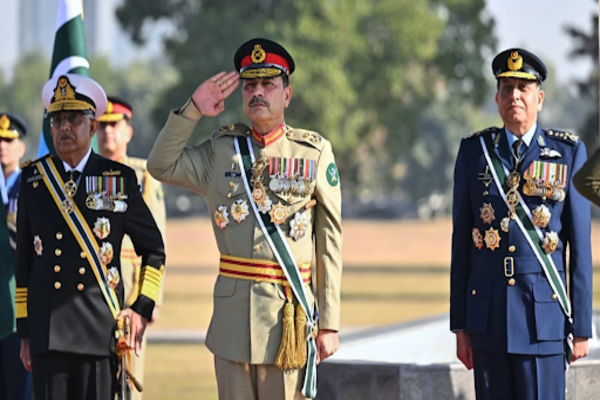
Pakistan's chief of defence forces and Army Chief Gen. Asim Munir salutes the Flag in Rawalpindi, Pakistan. Associated Press
Pakistan’s newly appointed armed forces chief, Gen. Asim Munir, has delivered a strong warning to Afghanistan’s Taliban government. He urged Kabul to choose between maintaining constructive ties with Pakistan or supporting the Pakistani Taliban (TTP), the militant group blamed for a surge in deadly attacks across Pakistan in recent years.
The message signals a turning point in regional security, coming at a time when cross-border tensions and internal militant violence continue to rise.
A New Era Under Pakistan’s Joint Military Command
Munir issued the warning during a ceremony at military headquarters in Rawalpindi, where he received a guard of honor from all three military branches. The event marked the formal launch of Pakistan’s new joint military command, designed to improve coordination between the army, navy, and air force.
The new Defence Forces Headquarters, he noted, represents a historic milestone. It unifies Pakistan’s tri-services and enhances coordination across land, air, sea, cybersecurity, and information warfare — all critical areas amid rising regional threats.
Officials believe Munir’s leadership will help Pakistan adapt to evolving security dynamics and respond more effectively to militant activity.
“Choose Between Pakistan and the TTP”
In his address, Munir said Pakistan had sent a “clear message” to Kabul. The Afghan Taliban, he said, must decide between maintaining relations with Pakistan or siding with what he called “Fitna al-Khawarij”, a term used by authorities for the banned Tehrik-e-Taliban Pakistan (TTP).
The TTP is a separate organization but has long-standing ideological and operational ties with the Afghan Taliban. Since the Taliban seized control of Kabul in 2021, the TTP has become more emboldened, increasing attacks on Pakistani forces and civilians.
As of Monday, there was no immediate response from Kabul to Munir’s remarks.
Cross-Border Tensions Escalate
Pakistan–Afghanistan relations have steadily worsened since early October. That month, several days of intense border clashes left dozens dead, including soldiers, civilians, and suspected militants. Hundreds more were injured.
The clashes followed an Oct. 9 bombing in Kabul, which the Afghan Taliban blamed on Pakistan.
A Qatar-mediated ceasefire has mostly held since, though talks in Istanbul failed to produce a lasting agreement in November.
The fragile peace underscores the volatility along the border, where both sides have accused each other of harboring hostile groups.
Munir’s Rise and the India–Pakistan Conflict
Munir’s profile grew earlier this year after Pakistan claimed it had successfully repelled India during a four-day conflict in May. The two nuclear-armed rivals exchanged retaliatory strikes after India accused militants inside Pakistan of killing 26 tourists in Indian-controlled Kashmir.
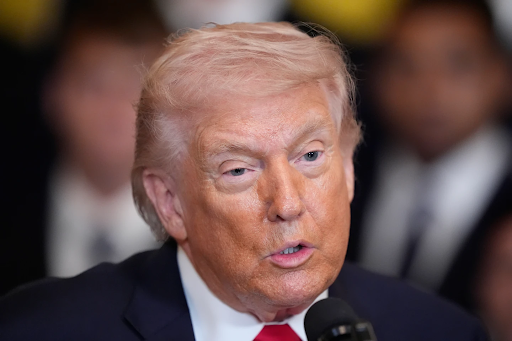
Tensions cooled only after then-U.S. President Donald Trump announced that India and Pakistan had agreed to a “full and immediate ceasefire.”
Munir praised Pakistan’s military operations during the confrontation, describing them as a “textbook example” of future warfare. He also presented awards to air force and navy personnel who played key roles in the conflict.
A Region Defined by Decades of Hostility
Pakistan and India have a long record of conflict, having fought three wars — most of them over the disputed Himalayan region of Kashmir — since both countries gained independence from British rule in 1947.
Against this historical backdrop, Munir’s statements highlight both Pakistan’s rising military assertiveness and the regional implications of Afghanistan’s evolving relationships with militant groups.