

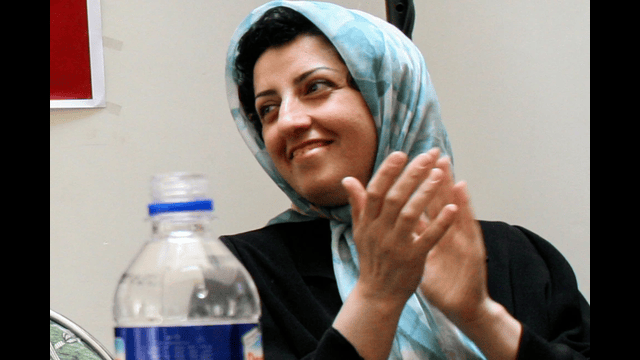
Prominent Iranian human rights activist Narges Mohammadi is seen in a meeting on women’s rights in Tehran, Iran, on July 3, 2008.
Iranian authorities have arrested Nobel Peace Prize laureate Narges Mohammadi, triggering global concern from rights groups and Western observers. Supporters say she was detained in the city of Mashhad while attending a memorial ceremony for a deceased human rights lawyer.
The arrest has intensified scrutiny on Iran’s ongoing crackdown on activists, intellectuals, and dissenting voices.
Arrest During Memorial Raises Alarm
The Narges Mohammadi Foundation confirmed her detention on Friday. Mohammadi was attending a memorial for Khosrow Alikordi, a 46-year-old human rights lawyer recently found dead under unclear circumstances.
The ceremony took place in Mashhad, nearly 680 kilometers northeast of Tehran. Supporters allege security forces used violence during the arrests.
Local officials acknowledged detentions occurred, but did not directly name Mohammadi.
Uncertainty Over Her Prison Return
It remains unclear whether Mohammadi will be returned to prison immediately. She had been serving a lengthy sentence before receiving a temporary medical furlough in December 2024.
That furlough was initially approved for three weeks. However, it quietly extended for several months amid international pressure.
Nobel Committee Voices Concern
The Norwegian Nobel Committee reacted swiftly, expressing deep concern over Mohammadi’s safety.
In a statement, the committee urged Iranian authorities to clarify her whereabouts and release her unconditionally. It emphasized the need to protect her physical integrity and legal rights.
Crackdown Amid Political Pressure
Mohammadi’s arrest comes as Iran faces economic strain, international sanctions, and regional tensions. Officials also fear renewed conflict with Israel.
Analysts say detaining a Nobel laureate risks intensifying Western pressure. This could complicate Iran’s repeated signals about reopening nuclear negotiations with the United States.
Activists Detained at Ceremony
Supporters said several activists were arrested during the memorial gathering. The foundation described the detentions as a serious violation of fundamental freedoms.
Over 80 Iranian lawyers have demanded transparency regarding Alikordi’s sudden death, officially described as a heart attack.
Rights groups say the timing of his death and subsequent arrests raise troubling questions.
Chants, Hijab Defiance, and Security Response
Videos shared online showed Mohammadi addressing the crowd without wearing a hijab. She led chants honoring Majidreza Rahnavard, executed publicly in 2022 during protests.
Other footage captured anti-government slogans echoing through the crowd.
Mashhad Governor Hasan Hosseini said prosecutors ordered temporary detentions after “norm-breaking” chants. He denied the arrests were punitive but offered no response to violence allegations.
Mohammadi’s Long History of Activism
Narges Mohammadi has spent years behind bars for her activism. She has been imprisoned 13 times and convicted five times.
In total, she has received sentences exceeding 30 years on charges including propaganda and collusion against state security.
She strongly supported protests following the 2022 death of Mahsa Amini, which sparked nationwide demonstrations.
Serious Health Concerns
Mohammadi’s supporters warn that prison poses grave risks to her health. She suffered multiple heart attacks while incarcerated and underwent emergency surgery in 2022.
Doctors later discovered a bone lesion, raising fears of cancer. It was removed in November 2024.
Medical experts recently recommended extending her leave for at least six months.
Warnings From Doctors and Advocates
Health specialists cautioned that returning Mohammadi to prison could severely worsen her condition. They stressed the lack of adequate medical care in detention facilities.
Activists say her arrest ignores urgent medical advice and humanitarian concerns.
Growing International Pressure
Rights organizations warn Iran’s actions signal a broader assault on civil liberties. They argue that even mourning a human rights lawyer has become criminalized.
As pressure mounts, Mohammadi’s arrest may deepen Iran’s isolation at a critical diplomatic moment.
For many observers, the case now symbolizes the growing risks faced by activists who refuse to remain silent.













