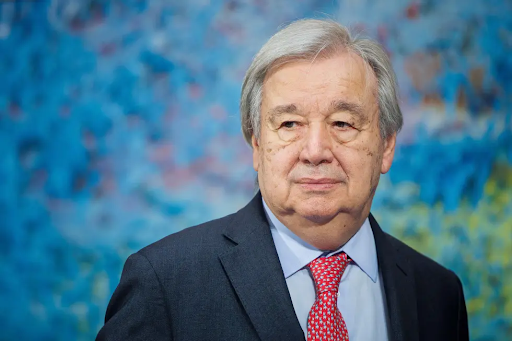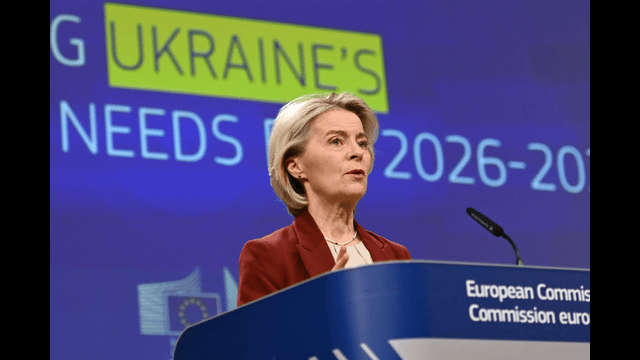
European Commission President speaks during a media conference regarding Ukraine's financing needs for 2026-2027.
European Union leaders meet in Brussels on Thursday with one overriding goal. They want to secure a massive loan to support Ukraine’s military and financial needs for the next two years. The summit comes as funding gaps widen and urgency intensifies across the bloc.
Ukraine Funding Tops EU Summit Agenda
The Ukraine loan plan dominates discussions at the high-stakes EU summit. Leaders face pressure to cover most of the 137 billion euros Ukraine needs, according to the International Monetary Fund.
Other issues remain on the table. Migration, EU enlargement, trade, and economic stability will also be discussed. Yet Ukraine funding remains the central challenge.
European Commission President Ursula von der Leyen underlined the urgency ahead of the meeting. She said Europe must decide quickly how to finance Ukraine’s fight.
Push for a Two-Year Financial Lifeline
The proposed plan would provide Ukraine with long-term financial stability. The funds would cover defense spending, public services, and economic recovery.
Von der Leyen stressed that delays could weaken Ukraine’s position. She warned that time is not on Europe’s side.
European Council President António Costa, chairing the summit, pledged extended negotiations. He said talks would continue until leaders reached an agreement. Even if discussions take days.
Frozen Russian Assets Spark Sharp Divisions
A key proposal involves using frozen Russian assets held across Europe. Tens of billions of euros are currently immobilized in EU financial institutions.
Supporters argue the money should help Ukraine rebuild and defend itself. They call it a justified response to Russia’s invasion.
However, the move carries serious risks. The European Central Bank has warned of consequences. Seizing foreign assets could damage trust in the euro.
Some member states also fear retaliation from Moscow. Cyberattacks, legal action, or economic pressure remain real threats.
Belgium Leads Opposition to Asset Seizure
Belgium, where most frozen assets are held, strongly opposes the plan. The funds sit largely at Euroclear, a Brussels-based clearing house.
Belgian officials worry Russia could retaliate directly. They prefer borrowing funds from international markets instead.
Those fears grew last week. Russia’s central bank sued Euroclear in a Moscow court. The lawsuit added pressure ahead of the summit.
Hungary and Slovakia Reject Reparations Loan
The proposal faces resistance beyond Belgium. Hungary and Slovakia oppose what von der Leyen calls a “reparations loan.”
Under the plan, 90 billion euros would be lent to Ukraine. Russia would repay the amount once the war ends.
Ukrainian President Volodymyr Zelenskyy says war damages already exceed 600 billion euros. He insists Russia must eventually pay.
Allies Outside the EU Offer Support
The plan includes help from outside the European Union. The United Kingdom, Canada, and Norway would help cover funding gaps.
Their support could prove vital if internal EU divisions persist. Yet external backing alone cannot secure approval.
Several Countries Still Undecided
Not all opposition is firm. Italy, Bulgaria, and Malta remain undecided. Diplomats continue behind-the-scenes talks to sway them.
EU envoys have worked for weeks to refine the proposal. They aim to bridge legal, financial, and political differences.
If enough countries object, the plan will fail. There is no majority backing for a fallback option. Borrowing from markets lacks sufficient support.
High Stakes for Europe and Ukraine
The outcome of this summit could reshape Europe’s role in the war. It may also define future EU financial policy.
Failure to agree risks weakening Ukraine’s defenses. It could also expose deep fractures within the bloc.
For now, leaders remain locked in talks. The pressure is high. The decisions made in Brussels may echo far beyond Europe.