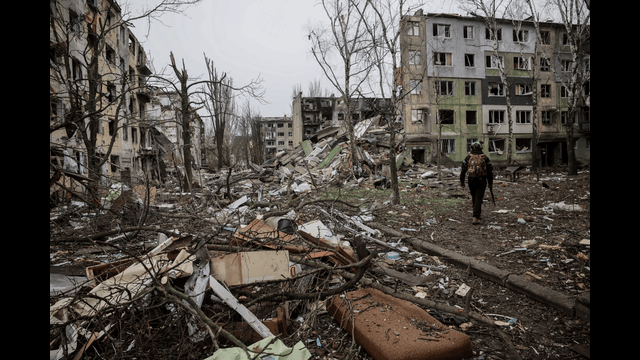
In this photo taken on Saturday Dec. 20, 2025 and provided by Ukraine’s 24th Mechanized Brigade press service, a soldier walks through the ruins of the town of Kostyantynivka, in the Donetsk region, Ukraine
Progress in Ukraine peace talks led by the United States appears promising, Ukrainian President Volodymyr Zelenskyy said Monday. Speaking in Kyiv, he described early draft proposals as “quite solid” while acknowledging difficult compromises ahead.
Zelenskyy stressed that neither Ukraine nor Russia is likely to secure every demand after nearly four years of war.
U.S.-Led Peace Talks Gain Momentum
Zelenskyy confirmed that recent discussions with U.S. officials met many of Kyiv’s core expectations. He said almost 90 percent of Ukraine’s demands appear reflected in draft documents.
“Some issues remain sensitive,” he said. “That is true for Ukraine and Russia.”
The talks are part of a broader U.S. push to bring both sides toward a negotiated settlement. President Donald Trump has repeatedly called for an end to the fighting.
Washington Cautiously Optimistic
U.S. envoy Steve Witkoff described weekend talks with Ukrainian and European officials as “productive and constructive.” The meetings took place in Florida.
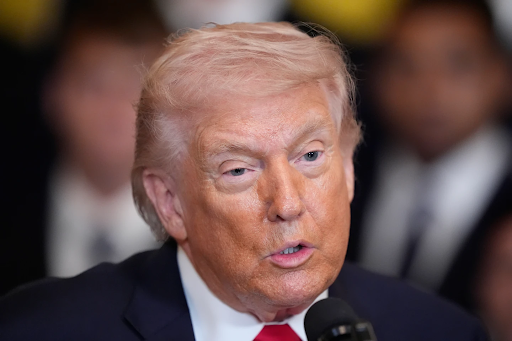
President Trump offered a more reserved tone. Speaking from Mar-a-Lago, he said discussions were ongoing.
“We are talking. It’s going OK,” Trump told reporters.
He did not confirm plans to speak directly with Zelenskyy or Russian President Vladimir Putin.
Framework of the Proposed Deal
Zelenskyy said the backbone of the Ukraine peace talks is a 20-point plan. Several supporting documents accompany it.
One outlines security guarantees between Ukraine, Europe, and the United States. Another focuses on bilateral U.S.-Ukraine security commitments.
Key elements include maintaining Ukraine’s army at 800,000 troops during peacetime. Ukraine’s ambition to join the European Union remains central.
European Security Role Highlighted
European forces could play a direct security role under the proposal. France and the United Kingdom would lead efforts.
Zelenskyy said European troops would help protect Ukraine’s airspace, land borders, and coastal areas. The United States would provide a strategic “backstop.”
Other countries may assist with energy protection, financial support, and civilian shelters.
U.S. Congress Review Sought
Ukraine wants the bilateral security agreement with Washington reviewed by the U.S. Congress. Zelenskyy said some annexes should remain classified.
Meanwhile, the U.S. negotiating team has begun discussions with Russian representatives. Washington requested confidentiality during this phase.
Fighting Continues Despite Diplomacy
Even as talks progress, fighting remains intense. Zelenskyy said Ukraine’s defensive lines continue to hold.
He noted a recent rise in Russian attacks and corresponding losses. Ukrainian forces remain stretched against a larger army.
Ukraine has also stepped up strikes deep inside Russian territory.
Ukrainian Strikes Target Russian Assets
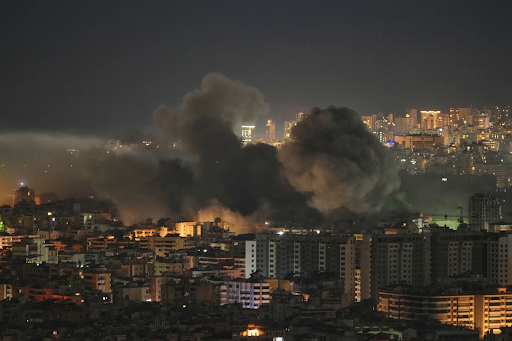
Officials said Ukrainian forces hit an oil terminal, pipeline, jet fighters, and ships inside Russia. These operations aim to disrupt logistics and morale.
A Ukrainian-made missile reportedly struck a Russian naval base in occupied Crimea. Other attacks targeted ammunition depots and drone launch sites.
Ukrainian partisans also set fire to two Russian fighter jets near the city of Lipetsk, intelligence officials said.
Russia Responds With Drone Barrage
Russia claimed it shot down 41 Ukrainian drones overnight. Several were intercepted over the Krasnodar region.
Moscow has not commented on reported infrastructure damage.
Energy Infrastructure Under Attack
Russia continues striking Ukraine’s power grid, a tactic Kyiv calls “weaponizing winter.” Energy facilities in five regions were hit overnight.
Ukraine’s air force reported 86 Russian drones launched. Air defenses stopped 58 of them.
Peace Talks Face a Hard Test
The contrast between diplomacy and battlefield violence remains stark. Still, Zelenskyy believes the Ukraine peace talks offer a credible foundation.
Whether momentum survives continued fighting now shapes the next phase of the war.