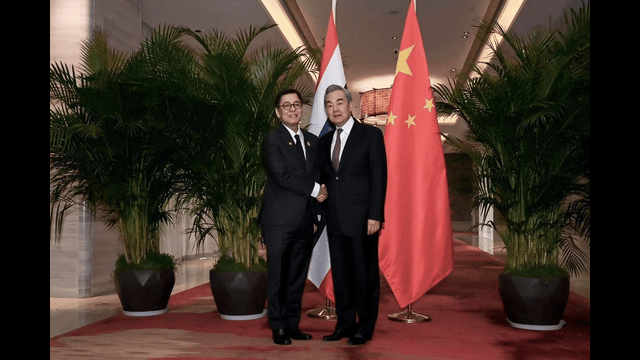
In this photo released by the Thai Ministry of Foreign Affairs, Thai Foreign Minister Sijasak Phuangketkew, Left, shakes hands with Wang Yi, Chinese Foreign Minister, in Yunnan Province, China, Sunday, Dec 29, 2025.
Thailand and Cambodia took another step toward peace on Sunday.
Their top diplomats met in China to reinforce a newly signed ceasefire.
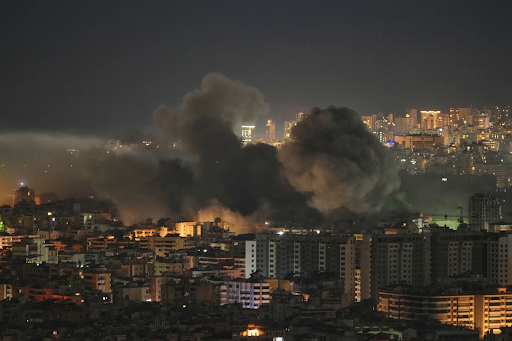
The talks followed weeks of deadly border clashes.
More than 100 people were killed in the fighting.
Over 500,000 civilians were forced to flee their homes.
The fresh diplomatic push highlights China’s growing role.
Beijing aims to mediate the long-running Thailand–Cambodia ceasefire process.
The meetings are expected to shape the next phase of border stability.
China Hosts Crucial Diplomatic Engagement
Thai Foreign Minister Sihasak Phuangketkeow arrived in China’s Yunnan province.
He was joined by Cambodian Foreign Minister Prak Sokhonn.
Both leaders began two days of discussions on Sunday.
China’s Foreign Minister Wang Yi is leading the mediation.
He is scheduled to hold separate bilateral meetings.
A trilateral discussion involving all three diplomats is planned.
China has welcomed the Thailand–Cambodia ceasefire announcement.
Officials say the deal creates space for dialogue and trust-building.
Ceasefire Aims to End Border Violence
The ceasefire was signed a day before the talks.
It calls for an immediate halt to hostilities.
The agreement freezes troop positions along the disputed border.
This pause is meant to stop further bloodshed.
It also allows displaced civilians to return home safely.
Border villages on both sides suffered heavy damage.
According to Thai officials, the China talks seek durability.
The goal is a sustained Thailand–Cambodia ceasefire, not a temporary pause.
Observation Period and Prisoner Repatriation
The ceasefire includes a 72-hour observation window.
During this period, both sides must avoid military escalation.
At the end of the window, Thailand has made a commitment.
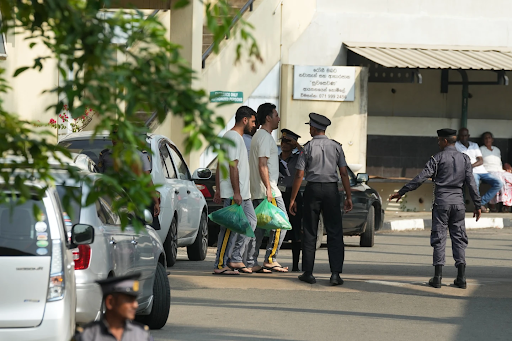
It agreed to repatriate 18 Cambodian soldiers.
They were captured during clashes earlier in July.
Their release was a key Cambodian demand.
Officials see it as a confidence-building measure.
China Signals Support Beyond Mediation
China has stressed its readiness to assist both sides.
The Chinese Foreign Ministry issued a supportive statement.
It said China would provide a platform for deeper communication.
Beijing also announced emergency humanitarian assistance.
Cambodia will receive 20 million yuan in aid.
The support is valued at around $2.8 million.
The first shipment arrived on Sunday.
It included food supplies, tents, and blankets.
The aid is meant for civilians displaced by fighting.
Cambodia Praises China’s Role
Cambodian Foreign Minister Prak Sokhonn welcomed China’s involvement.
He expressed strong appreciation after meeting Wang Yi.
He described China’s contribution as vital.
Cambodia views Beijing as key to maintaining the ceasefire.
Officials believe China’s influence can stabilize the border situation.
Thailand Seeks Stronger Signals Against Conflict
Thailand has outlined its expectations clearly.
Sihasak said China should help deter future violence.
He emphasized that China’s role goes beyond mediation.
Thailand wants Beijing to send firm messages to Cambodia.
These signals should discourage renewed or fresh conflicts.
Sihasak said lasting peace remains the priority.
A stable Thailand–Cambodia ceasefire is central to that goal.
International Voices Add Pressure
The crisis has drawn attention from other global players.
The United States and Malaysia have also offered mediation support.
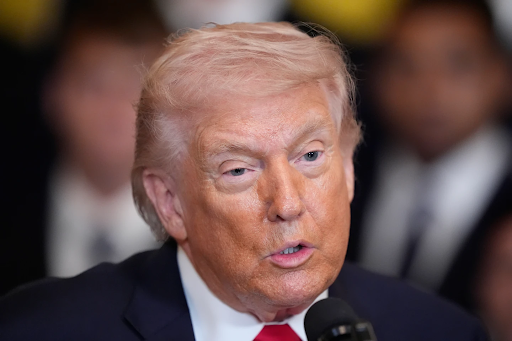
U.S. President Donald Trump commented on the situation on Sunday.
He claimed the fighting would stop “momentarily.”
He also took credit for pushing both sides toward a deal.
Despite varied claims, diplomats stress that cooperation matters most.
For now, the China-hosted talks carry significant weight.
As discussions continue, the region watches closely.
The success of the Thailand–Cambodia ceasefire may depend on sustained diplomacy.