Sinking feeling … Tyger Drew-Honey as Harold Lowe in Titanic Sinks Tonight. Photograph: BBC
More than a century after the Titanic slipped beneath the Atlantic, the tragedy still grips the public imagination. Books, films, and documentaries have revisited the disaster endlessly. Yet Titanic Sinks Tonight manages to make the familiar feel chillingly immediate again.
The four-part BBC series does not rely on spectacle or myth. Instead, it places viewers inside the final hours of the ship by using the words of those who were actually there.
From the opening moments, the experience feels intimate, unsettling and deeply human.
A Disaster Told Through Real Voices
Rather than dramatic narration, the series is built around letters, diaries and later interviews from passengers and crew. These firsthand accounts guide each episode, grounding the drama in lived experience.
The result is less like watching history and more like inhabiting it. Fear, confusion, and denial unfold in real time, without the comfort of hindsight.
By centring survivors’ testimonies, the series restores agency to people long reduced to archetypes.
Experts Add Clarity, Not Gloss
Historians and specialists play a key role, but never overwhelm the story. Historian Suzannah Lipscomb and former Royal Navy admiral Lord West help strip away romanticised versions of events.
They explain how social class shaped survival. Information, access and trust flowed upward. First-class passengers were warned earlier and guided more closely.
This was not fate or chance. It was hierarchy at work.
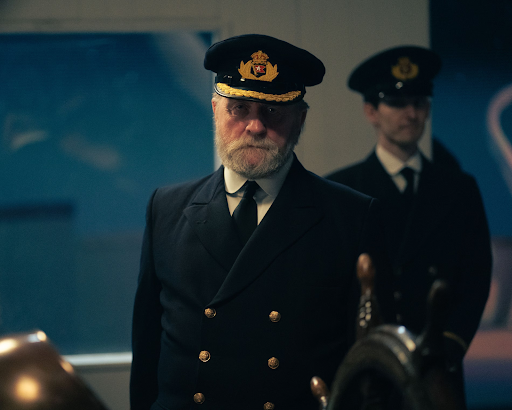
Rich history … Gerry O’Brien as Capt Smith realising his fate in Titanic Sinks Tonight. Photograph: BBC
Class Divisions Laid Bare
The contrast between passengers is stark. First-class cabins are described as luxury hotels afloat, complete with lavish meals and comfort.
One storyline follows fashion designer Lucy, Lady Duff-Gordon, portrayed with quiet realism. Her final evening is one of indulgence and ease.
Below deck, second-class and migrant passengers receive little information. Strange noises are dismissed. Reassurance comes from authority, not evidence.
Trust, the series shows, proved deadly.
Why Evacuation Failed So Badly
The second episode examines the chaotic evacuation. Lifeboats leave half-empty. Families are separated. Others are saved by sheer proximity.
Writer Nadifa Mohamed offers powerful insight here. She frames survival as a series of “sliding doors” moments shaped by class, language and location.
Her commentary draws haunting parallels with modern migration. Belief in systems, she argues, can be dangerously misplaced.
Writers Deepen The Emotional Weight
Unusually, novelists are among the most effective contributors. Mohamed and Jeanette Winterson bring emotional intelligence and moral clarity to the analysis.
Their perspectives add texture beyond dates and diagrams. They remind viewers that history is felt, not just recorded.
This choice strengthens the series, giving it depth rather than detachment.
Performances that Linger
The dramatic reconstructions are restrained but powerful. Most performances are effective, though some testimonies feel rushed.
One standout is Tyger Drew-Honey as wireless operator Harold Bride. His portrayal captures panic, duty, and disbelief with devastating intensity.
At times, fewer voices might have allowed certain stories to breathe. Still, the cumulative impact remains strong.
Familiar Story, Newly Terrifying
Titanic Sinks Tonight succeeds by rejecting melodrama. It trusts reality to do the work.
By focusing on what people knew, believed and misunderstood, the series exposes how fragile safety truly was that night.
The effect is immersive and unsettling. This is not nostalgia. It is history, made frighteningly real again.
Titanic Sinks Tonight aired on BBC Two and is available on iPlayer.