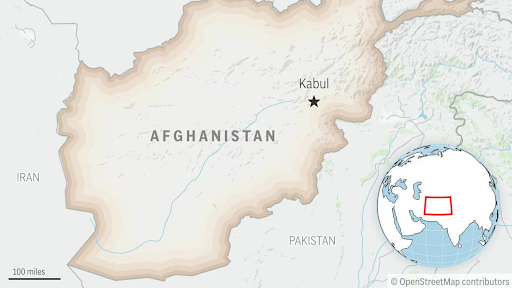
This map shows the location of Afghanistan and highlights its capital city, Kabul, to help readers understand where the country is situated. AP Photo
The first heavy rains and snowfall of the season ended a long dry period in Afghanistan, but the sudden weather shift brought deadly consequences. Flash floods swept through several parts of the country, killing at least 17 people and injuring 11 others, officials said Thursday.
A spokesperson for the national disaster management authority confirmed the deaths and said flooding has affected multiple regions since the start of the week.
Family Tragedy in Herat
One of the deadliest incidents occurred in Kabkan district in Herat province. According to Mohammad Yousaf Saeedi, spokesperson for the Herat governor, five members of one family died after the roof of their home collapsed on Thursday. Two of the victims were children.
The sudden rainfall weakened the structure, leaving the family with no chance to escape, local officials said.
Flooding Spreads Across Regions
Most casualties occurred since Monday in districts hit hard by rising water. Mohammad Yousaf Hammad, spokesperson for the National Disaster Management Authority, said the severe weather disrupted daily life across central, northern, southern, and western parts of the country.
Roads flooded, homes filled with water, and access to basic services became difficult in many areas. Communities already struggling with limited resources now face even greater challenges.
Widespread Damage Reported
Hammad said the floods damaged roads, homes, and other key structures. Livestock deaths added to the losses, especially for families who rely on animals for income and food. He said flooding affected about 1,800 families, many of whom already lived in vulnerable conditions.
Urban neighbourhoods and rural villages both felt the impact, with mud-built homes offering little protection against fast-moving water.
Emergency Teams Deployed
Disaster officials have sent assessment teams to the hardest-hit districts. These teams are surveying damage, identifying urgent needs, and helping guide relief efforts. Hammad said officials continue to gather information as conditions change and access improves.
Authorities expect the assessment process to take time due to damaged roads and remote locations.
A Country at High Risk
Afghanistan, along with neighbouring Pakistan and India, faces high risk from extreme weather events. Seasonal rains often trigger flash floods, especially after long dry periods when the ground cannot absorb water quickly.
Years of conflict, weak infrastructure, deforestation, and worsening climate conditions have increased the damage caused by such disasters. Many rural homes consist of mud and lack strong foundations, making them vulnerable during heavy rain.
Humanitarian Crisis Deepens
International aid agencies warned this week that Afghanistan will likely remain one of the world’s most serious humanitarian crises in 2026. The United Nations and its partners launched a $1.7 billion appeal to help nearly 18 million people in urgent need.
Relief groups say flooding adds pressure to communities already facing food shortages, poverty, and limited access to healthcare, making recovery even harder in the months ahead.