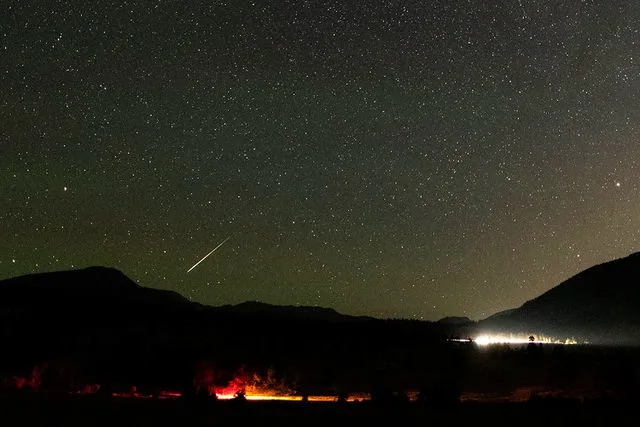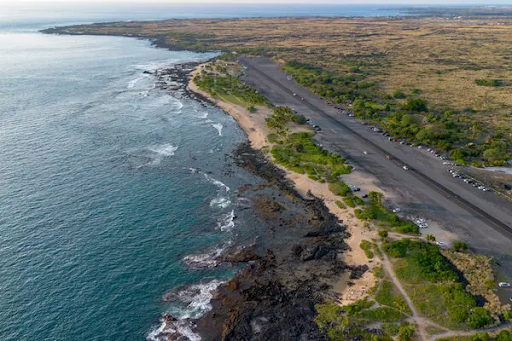
A powerful Kona Low weather system is bringing harsh winter conditions across parts of Hawaii. The New York Times
Hawaii may be famous for sunshine and warm beaches, but the islands are now facing a very different kind of weather. Winter storm warnings are in place for the highest peaks of Mauna Kea and Mauna Loa as a strong weather system moves through the region.
Weather officials warn that these mountain summits could see up to 25 centimetres of blowing snow, along with strong winds and icy conditions. The warnings remain in effect into early Tuesday, making travel and outdoor activity at higher elevations dangerous.
Kona Low Drives the Storm
The storm system affecting Hawaii is known as a Kona Low. This type of low-pressure system usually forms during the wetter months of fall and winter. When it develops, it often brings several days of unsettled weather across the islands.
Over the next few days, this system will bring heavy rain, strong winds, and rough seas to many parts of Hawaii. Weather experts say these conditions increase the risk of flash flooding, especially in low-lying and poor drainage areas.
Snowfall Expected at High Elevations
While rain will fall across much of the islands, the higher elevations face colder air. This combination of moisture and cold temperatures creates ideal conditions for snow on the tallest mountains.
Mauna Kea rises to about 4,205 metres above sea level, while Mauna Loa reaches around 4,170 metres. Because of their height, both volcanoes often experience winter weather when strong systems pass through. Snow and ice can quickly cover roads and observatories near the summits.
Officials also warn of rime ice, which forms when freezing fog coats surfaces with thick ice. This can damage equipment and make already strong winds even more hazardous.
Not a First for Hawaii’s Peaks
Snow on Hawaii’s highest mountains is rare but not unusual. Each winter, the summits typically receive at least some snowfall. Weather services issue winter storm warnings for these areas several times a year.
Earlier this winter, snow fell on Mauna Kea and Mauna Loa before some parts of Canada saw their first flakes. In 2021, the region even experienced a full blizzard warning, showing just how extreme conditions can become at high elevations.
Warm Conditions Continue at Lower Levels
Despite the snow and ice at the summits, most of Hawaii will stay far from winter cold. Coastal and lowland areas will only see rain and gusty winds. Wintry weather does not reach these lower elevations.
Honolulu, for example, rarely experiences cool temperatures. The coldest temperature ever recorded there was 11.1°C, back in January 1969. That record highlights how unusual winter storms remain for much of the state.
Residents Urged to Stay Alert
Officials advise residents and visitors to stay informed as the storm continues. Those planning to travel to higher elevations should avoid the area until conditions improve. Meanwhile, people across the islands should watch for heavy rain, rising water, and strong winds through midweek.