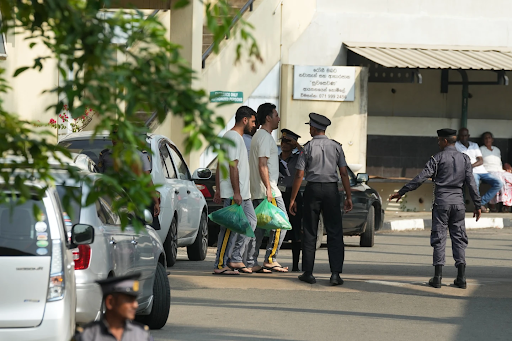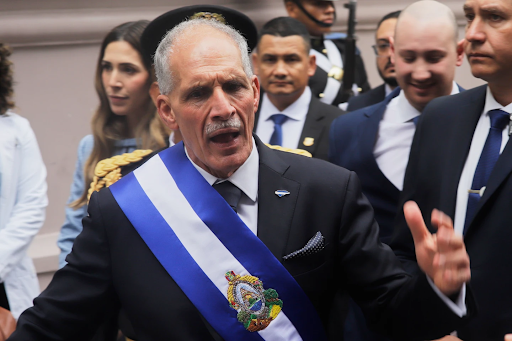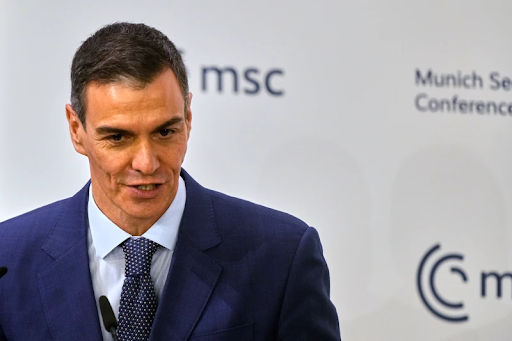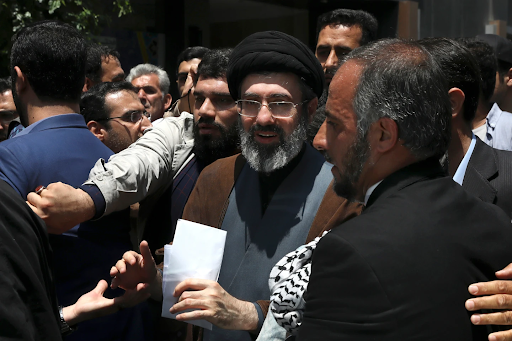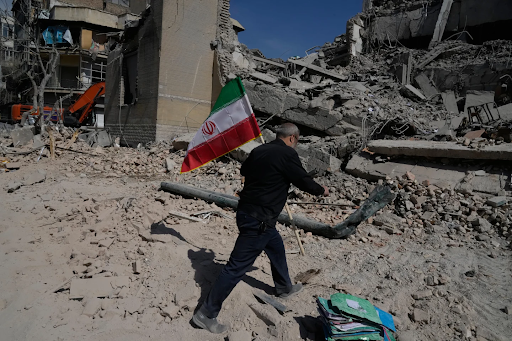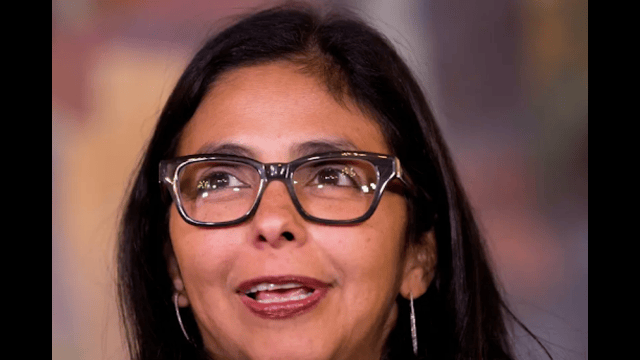
Venezuela’s Foreign Relations Minister Delcy Rodriguez gives a news conference after a private meeting with U.S. Chargé d’Affaires Lee McClenny in Caracas, Venezuela, March 2, 2015.
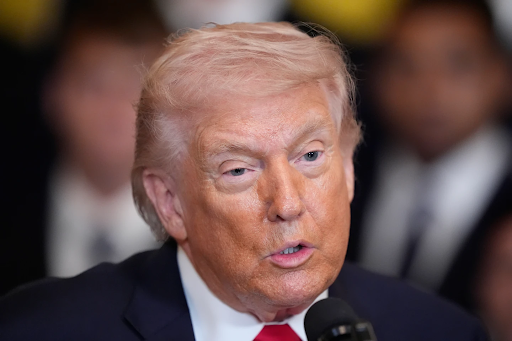
President Donald Trump announced a proposed Venezuela oil deal that could reshape energy and geopolitics.
He said the United States would receive between 30 million and 50 million barrels of Venezuelan oil.
The oil would be sold at market prices.
Trump claimed the proceeds would benefit people in both countries.
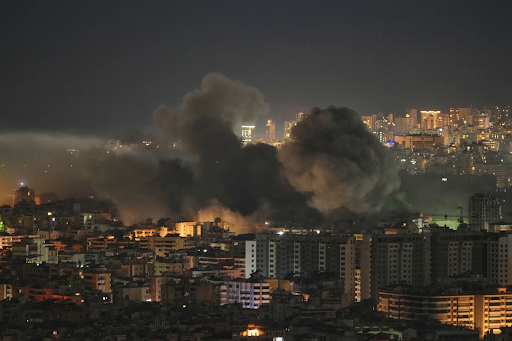
The statement came amid rising tensions after a dramatic U.S. military operation in Caracas.
White House Eyes Deeper Energy Engagement
The White House plans to meet U.S. oil executives later this week.
The talks will focus on Venezuela’s struggling oil sector and future American involvement.
Executives from Exxon, Chevron, and ConocoPhillips are expected to attend.
Officials say the goal is to expand U.S. investment and technical support.
The Venezuela oil deal remains central to these discussions.
Deadly Raid Sparks Strong Reaction in Caracas
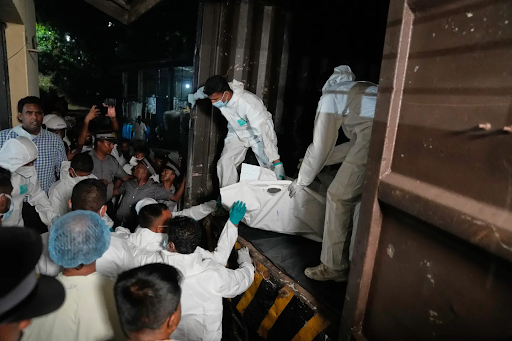
Venezuelan officials confirmed heavy casualties after the U.S. raid.
At least 24 Venezuelan security officers were killed during the operation.
The mission led to the capture of President Nicolás Maduro.
Venezuela’s attorney general said dozens of officers and civilians died.
He described the strike as a possible war crime.
Cuba also reported losses.
Havana confirmed that 32 Cuban military and police personnel were killed.
They had been deployed in Venezuela as part of security cooperation.
U.S. Military Reports Injuries
The Pentagon said seven U.S. service members were injured in the raid.
Five have already returned to active duty.
Two remain under medical care.
Officials said injuries included gunshot wounds and shrapnel trauma.
Defiance From Venezuela’s Leadership
Acting President Delcy Rodríguez rejected Trump’s warnings.
She dismissed threats tied to the Venezuela oil deal and political reforms.
Rodríguez said her future was “determined by God, not foreign powers.”
Her remarks drew applause from government-linked industry leaders.
Oil Numbers Raise Strategic Questions
Oil prices hovered near $56 per barrel after Trump’s announcement.
At that rate, the Venezuela oil deal could reach $2.8 billion in value.
The U.S. consumes about 20 million barrels of oil daily.
The proposed transfer equals roughly two and a half days of supply.
Despite vast reserves, Venezuela’s output remains weak.
The country produces about one million barrels per day.
U.S. daily production averages nearly 14 million barrels.
Exxon, Guyana, and Regional Tensions
Energy politics extend beyond Venezuela.
ExxonMobil is developing major oil fields off Guyana’s coast.
The discovery revived Venezuela’s territorial claims over the Essequibo region.
Caracas has accused Exxon and Guyana of exploitation.
Lawmakers once considered banning firms operating in Guyana.
Trump Defends Operation at Home
Trump rejected Democratic criticism of the raid.
He noted bipartisan support for Maduro’s arrest in past years.
Maduro was indicted in the U.S. in 2020 on drug trafficking charges.
The Trump administration later doubled the reward for his capture to $50 million.
Trump said successful action deserved recognition.
Americans Remain Divided
Public opinion shows no clear consensus.
A Washington Post-SSRS poll found mixed reactions to Maduro’s capture.
About 40% approved of the military operation.
A similar share opposed it.
Nearly half rejected any U.S. role in choosing Venezuela’s next government.
Global Concerns Grow
Maduro pleaded not guilty in a U.S. court on Monday.
His capture has heightened fears of broader U.S. interventionism.
Trump renewed controversial remarks about Greenland and Colombia.
European leaders swiftly defended Greenland’s sovereignty.
Colombia also responded firmly.
Its foreign minister announced a formal diplomatic complaint.
She called for cooperation, not threats, in fighting drug trafficking.
As the Venezuela oil deal moves forward, its impact may extend far beyond energy markets.