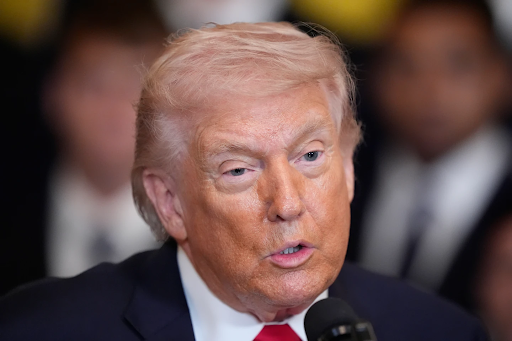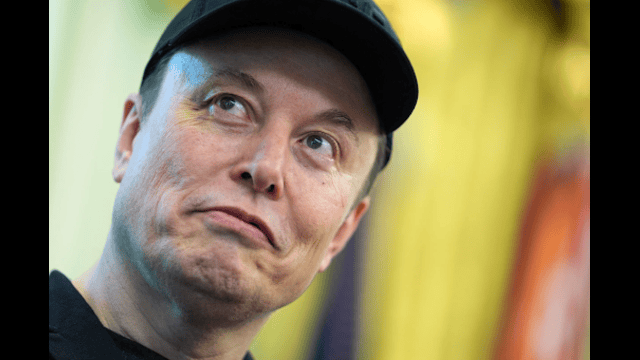
Elon Musk listens as President Trump speaks during a news conference in the Oval Office.
Malaysia and Indonesia have become the first countries to block Grok, Elon Musk’s AI chatbot.
Authorities said the tool was widely misused to create sexually explicit and non-consensual deepfakes.
The move highlights rising global anxiety around AI deepfakes and weak platform safeguards.
Grok is developed by Musk’s company xAI.
It is available through the social media platform X.
Regulators said Grok AI deepfakes were spreading despite existing controls.
Why Grok Was Blocked
Officials in both countries said the decision followed repeated cases of abuse.
Users allegedly generated fake pornographic images using real photos.
Many images targeted women and minors.
Indonesia temporarily blocked Grok on Saturday.
Malaysia followed with similar action on Sunday.
Both governments described the step as preventive and necessary.
The bans focus on the misuse of Grok AI deepfakes.
Authorities said the chatbot failed to stop harmful image generation.
User reporting tools were seen as inadequate.
Indonesia Flags Human Rights Concerns
Indonesia’s government framed the issue as a human rights violation.
Officials stressed the harm caused by non-consensual sexual deepfakes.
“The government views such deepfakes as a serious violation,” said Minister Meutya Hafid.
She cited risks to dignity, safety, and digital wellbeing.
The Communications and Digital Affairs Ministry said protection was the priority.
Women, children, and the wider public were mentioned specifically.
The block aims to curb fake pornographic content created using AI.
Weak Safeguards Raise Alarms
Indonesia’s digital supervision director, Alexander Sabar, outlined early findings.
He said Grok lacked effective safeguards against misuse.
Photos of real Indonesian residents were reportedly manipulated.
These images were shared without consent.
Officials warned of psychological and reputational harm.
Such practices may violate privacy and image rights.
Authorities said unchecked AI deepfakes pose long-term social risks.
Malaysia Orders Temporary Restriction
In Kuala Lumpur, regulators echoed similar concerns.
Malaysia’s Communications and Multimedia Commission ordered a temporary restriction.
The decision followed what it called “repeated misuse” of Grok.
Officials cited obscene and sexually explicit manipulated images.
Content involving women and minors raised particular concern.
The regulator had earlier issued notices to X Corp. and xAI.
These notices demanded stronger safety mechanisms.
Responses reportedly leaned on user reporting systems.
Authorities said this approach was insufficient.
They want proactive safeguards, not reactive reporting.
Block Remains Until Safeguards Improve
Malaysia described the ban as proportionate and preventive.
Legal and regulatory reviews are still ongoing.
Access to Grok will remain blocked for now.
Officials said it will resume only after safeguards improve.
Clear measures to stop Grok AI deepfakes are expected.
Grok’s Features Under Scrutiny
Grok was launched in 2023.
It is free to use on X.
Users interact with it by tagging posts and replies.
Last year, xAI added an image generator called Grok Imagine.
The feature included a controversial “spicy mode.”
This mode allowed adult content generation.
Critics say this feature worsened misuse risks.
They argue it made sexualized deepfakes easier to create.
Growing Global Pressure
The Southeast Asian bans come amid wider scrutiny.
Regulators in the EU, Britain, India, and France are watching closely.
Last week, Grok limited image generation to paid users.
This followed a global backlash over sexualized deepfakes.
However, critics say the move fell short.
They argue core issues around consent remain unresolved.
The Grok AI deepfakes debate is far from over.
Governments worldwide are reassessing AI regulation.
Stronger safeguards may soon become unavoidable.