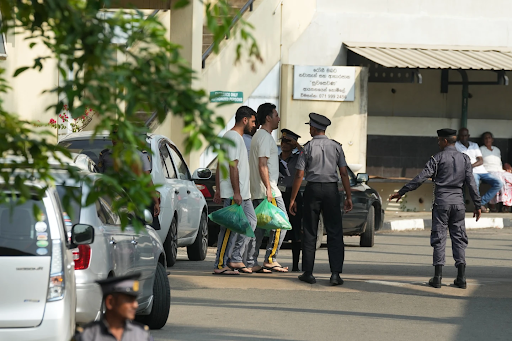
Protesters march on a bridge in Tehran, Iran, on Dec. 29, 2025.
After days of near-total isolation, some Iranians briefly reconnected with the outside world. On Tuesday, a small number of mobile phones in Iran managed to place international calls. This came despite a continuing internet blackout following nationwide protests.
The partial restoration offered little relief. Most digital communication channels remained inaccessible. Text messages stayed down. Internet access was still cut off from global networks.
The situation highlights the ongoing impact of the Iran protests internet blackout on daily life and international communication.
Calls Break Through the Silence
Residents in Tehran confirmed they could make limited overseas calls. Several contacted journalists at The Associated Press. These calls marked the first known breach in Iran’s communication shutdown.
However, the connection worked only one way. Calls made from outside Iran failed to connect back. The AP bureau in Dubai could not reach the same numbers.
This one-sided access reinforced concerns about selective and controlled connectivity.
Internet Restrictions Still in Place
Despite the limited calling ability, witnesses said the internet blackout continued nationwide. Social media platforms remained inaccessible. Messaging services showed no signs of recovery.
Authorities first imposed the restrictions on Thursday. The move followed escalating protests across multiple cities. International calls were also blocked at the same time.
The Iran protests internet blackout has since become a central symbol of the government’s response.
Protests Trigger Communication Clampdown
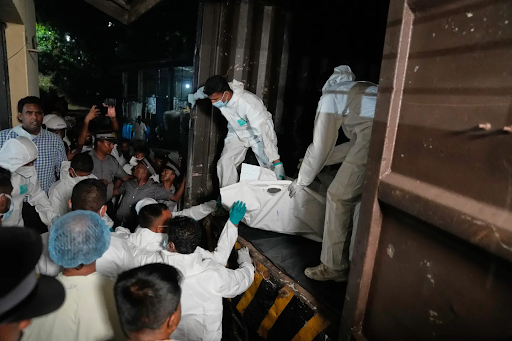
The protests reportedly intensified after public anger over governance and economic pressure. Activists claim security forces killed at least 646 people during the crackdown.
The government has not confirmed these figures. However, it has defended its actions as necessary for national security.
Cutting communication channels has long been a tactic during unrest in Iran.
Diplomatic Signals From Washington and Tehran
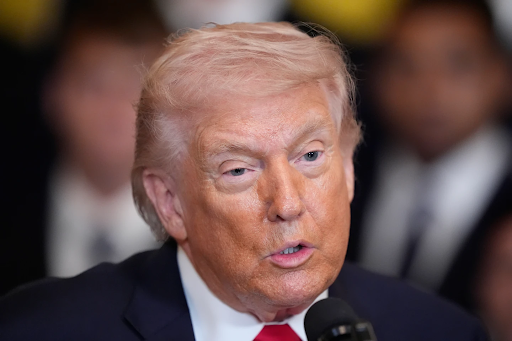
As tensions rose, U.S. President Donald Trump claimed Iran wanted to reopen negotiations. He linked this to earlier threats of military action over the protest crackdown.
Trump said Washington remains open to dialogue. However, pressure would continue if repression persists.
These remarks came as communication inside Iran stayed tightly controlled.
Iran Confirms Backchannel Talks
Iranian Foreign Minister Abbas Araghchi confirmed ongoing contact with the United States. Speaking to Al Jazeera, he said discussions with U.S. envoy Steve Witkoff never stopped.
He said talks continued before and after the protests. According to Araghchi, communication channels remain active.
However, he criticized Washington’s approach. He said U.S. proposals and threats were “incompatible” with Iran’s position.
White House Responds to Mixed Messaging
The White House acknowledged receiving private messages from Tehran. Press secretary Karoline Leavitt said Iran’s public tone differs from its private outreach.
She said President Trump remains interested in exploring diplomatic messages. At the same time, she stressed military options remain on the table.
According to Leavitt, Iran understands the seriousness of that stance.
Pro-Government Rallies Fill the Streets
While protests continued, pro-government supporters rallied in large numbers. State television showed crowds filling streets on Monday.
Chants echoed in support of the Islamic Republic. Protesters shouted slogans against the United States and Israel.
Others used religious language, calling for punishment of perceived enemies of God.
Harsh Warnings From Authorities
Iran’s attorney general issued a stark warning. He said anyone joining protests would be labeled an “enemy of God.”
Under Iranian law, that charge can carry the death penalty. Rights groups say such language escalates fear and suppresses dissent.
The warning further deepened concern over the Iran protests internet blackout and its broader consequences.
Uncertain Days Ahead
With limited calls restored and the internet still blocked, uncertainty dominates Iran’s public space. Protesters remain defiant. Authorities show no sign of easing control.
For now, the blackout continues to shape the crisis. And Iran’s connection to the outside world remains fragile.