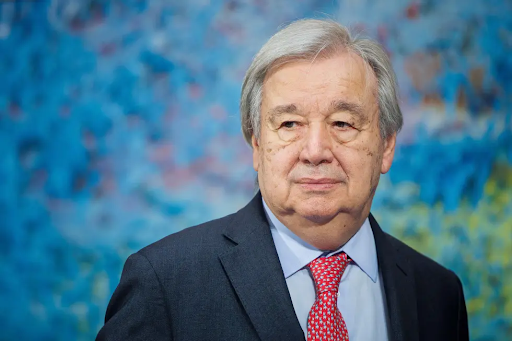
Japan’s Prime Minister Sanae Takaichi, right, shakes hands with South Korea’s President Lee Jae-myung at the start of their meeting in Nara, Western Japan, Tuesday, Jan 13, 2026.
South Korean President Lee Jae Myung met Japanese Prime Minister Sanae Takaichi on Tuesday in western Japan. The Japan-South Korea summit comes at a critical moment for both leaders. They are seeking closer ties amid economic pressure, regional security risks, and rising tensions with China.
The meeting reflects a shared effort to stabilize a relationship often strained by history. It also highlights growing urgency around trade, defense, and diplomacy in East Asia.
Nara Setting Adds Symbolic Weight to the Summit
Prime Minister Takaichi hosted the Japan-South Korea summit in her hometown, Nara. The city is famous for ancient temples, roaming deer, and deep cultural history.
On Wednesday, Takaichi plans to show President Lee the Horyu Temple complex. The site includes some of the world’s oldest wooden buildings. These structures date back to the 7th century.
The temple symbolizes Japan’s early adoption of Buddhism through the Korean Peninsula. The visit underscores cultural connections that predate modern political disputes.
Lee is also scheduled to meet South Korean residents living in Japan. He will return home later in the afternoon.
Leaders Aim to Reset a Difficult Relationship
Japan and South Korea share centuries of cultural exchange. However, modern relations have been shaped by painful memories. Japan’s colonial rule over Korea from 1910 to 1945 continues to affect diplomacy.
Ahead of the summit, Takaichi emphasized a forward-looking approach. She said the meeting in Nara should deepen cooperation built on history and mutual respect.
Both leaders have avoided reopening old wounds publicly. Instead, they are focusing on present and future challenges.
Domestic Politics Add Pressure for Takaichi
The Japan-South Korea summit also carries domestic political importance for Prime Minister Takaichi. She took office only months ago but enjoys strong approval ratings.
Her party controls just one chamber of parliament. Speculation is growing about a possible snap election. A successful summit could strengthen her political standing.
Improved ties with Seoul may help her project stability during a tense regional period.
China, Trade, and Security Dominate Talks
Trade and regional security are central to the Japan-South Korea summit agenda. Both countries face growing pressure from China and continued threats from North Korea.
Takaichi is dealing with strained ties with Beijing. China reacted angrily to her recent comments on Taiwan. She suggested Chinese military action could justify Japanese intervention.
Japan and South Korea are also navigating alliance expectations from the United States. Both are under pressure to increase defense spending. Managing former U.S. President Donald Trump’s unpredictable diplomacy remains a concern.
Lee Seeks Economic and Strategic Cooperation
President Lee recently visited Beijing for talks with Chinese leader Xi Jinping. China is increasing economic and political pressure on Japan. It is also trying to strengthen ties with South Korea.
Lee has said relations with Japan matter as much as those with China. However, he admitted Seoul’s ability to mediate between its neighbors is limited.
In an interview with Japan’s NHK, Lee expressed interest in joining the CPTPP trade pact. He said Japan’s support would be crucial.
That step may require lifting South Korea’s ban on seafood imports from Fukushima. Health concerns among South Koreans make the issue sensitive.
Trust Seen as the Key to Long-Term Progress
Security cooperation remains another focus of the Japan-South Korea summit. Lee supports trilateral cooperation with Japan and the United States.
He stressed that deep mutual trust matters more than formal agreements.
Recent years have seen gradual improvement in ties. Shared challenges include U.S.-China rivalry and North Korea’s nuclear program.
Despite early doubts, both leaders have avoided ideological clashes. Media reports suggest they may discuss humanitarian cooperation. This includes recovering remains from a 1942 mining accident involving Korean forced laborers.
The summit signals cautious optimism. While differences remain, both sides appear committed to steady, pragmatic engagement.