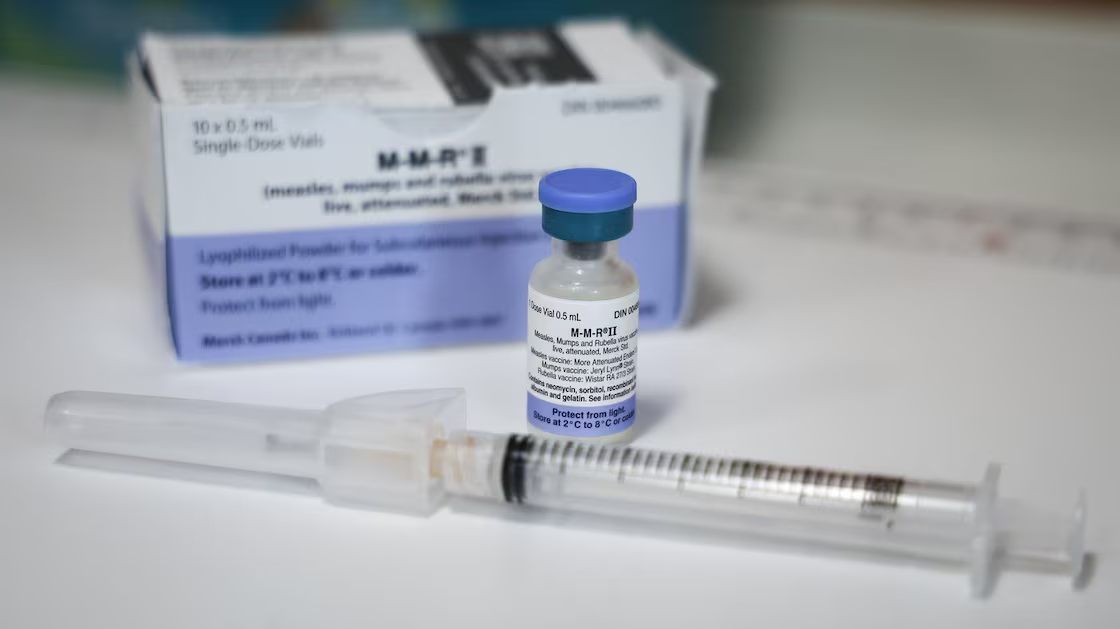
Health Canada recommends two doses of the shingles vaccine for adults who are over age 50 without contraindications. (Getty Images)
A large Ontario-based study suggests the shingles vaccine could help prevent or delay the onset of dementia, offering a promising new avenue in a field with limited preventive options. Researchers from McMaster University and Stanford University analyzed health data from more than 250,000 seniors and found vaccinated individuals had a significantly lower risk of developing dementia.
Study Design and Key Findings
The research, published in The Lancet Neurology, leveraged Ontario’s shingles vaccination rollout in 2016. Eligibility rules created two closely matched groups of seniors, separated only by a birthdate cutoff. Over 5.5 years, those eligible for the free vaccine showed a two-percentage-point lower risk of receiving a new dementia diagnosis. That translates to about two fewer cases per 100 people, a stronger effect than many existing dementia treatments.
Lead researcher Pascal Geldsetzer described the results as unusually impactful for a single, low-cost intervention. He noted that few pharmacological tools have shown such a strong preventive effect in dementia research.
Potential Broader Benefits
The study also found fewer dementia diagnoses among vaccinated cohorts in Ontario compared with similar age groups in other provinces without comparable vaccination programs. Researchers believe the shingles vaccine may influence the immune system in ways that extend beyond preventing herpes zoster infections.
Evidence also suggests potential benefits for people already living with dementia. Vaccinated individuals with existing cognitive impairment showed reduced mortality risk, indicating the vaccine could affect disease progression.
Immune System Link and Scientific Context
While the exact mechanism remains unclear, scientists suspect the immune system plays a key role in dementia development. Certain viruses that affect the nervous system may contribute to cognitive decline, and vaccines could modulate inflammatory responses linked to neurodegeneration.
Previous research has shown that shingles infections can increase dementia risk by about 20 percent, strengthening the hypothesis that preventing viral activity may protect brain health.
Expert Reactions and Public Health Implications
Experts have welcomed the findings as a potential breakthrough. Alzheimer Society representatives emphasized the growing burden of dementia, with projections suggesting the number of Canadians living with the condition could triple by 2050 if trends continue.
However, researchers cautioned that the study shows a strong association, not definitive proof of cause and effect. Large database studies cannot fully eliminate confounding factors, and randomized clinical trials are needed to confirm the protective role of the shingles vaccine.
Next Steps in Research
Geldsetzer and his team plan to pursue a randomized clinical trial to establish causality. Funding efforts are underway to support further investigation into whether shingles vaccination can be formally recommended as a dementia prevention strategy.
Currently, the vaccine is available as a two-dose series and is offered free to certain age groups in Ontario through primary care providers. If confirmed, the findings could reshape preventive strategies for dementia globally, offering a simple and affordable intervention for aging populations.