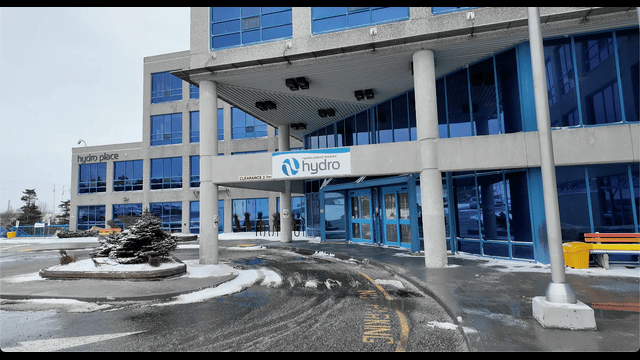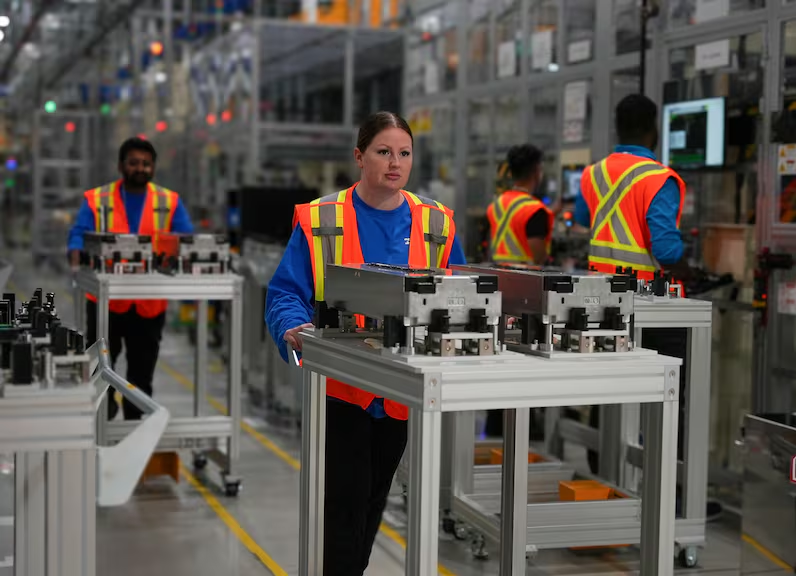
The Windsor, Ont., plant currently employs around 1,300, according to Stellantis and LG Energy Solution.
Stellantis has decided to exit its ownership role in a major Canadian battery project.
The automaker will sell its stake in the Ontario battery factory to South Korea’s LG Energy Solution.
The move reshapes one of Canada’s most high-profile electric vehicle investments.
LG Energy Solution will now take full control of NextStar Energy.
The company operates a large battery manufacturing plant in Windsor, Ontario.
A Joint Venture Comes to an End
NextStar Energy was formed in 2022 as a joint venture.
Stellantis and LG Energy Solution partnered to build Canada’s first large-scale EV battery plant.
The project was seen as a cornerstone of Canada’s electric vehicle strategy.
Stellantis held a 49 per cent stake in the venture.
LG Energy Solution owned the remaining majority share.
That structure will now change permanently.
Details of the Ownership Transfer
Stellantis confirmed it is selling its entire equity stake.
The sale was announced in a Friday morning statement.
The automaker said the stake was sold for a nominal fee.
In return, Stellantis will receive undisclosed favorable benefits.
The transaction still requires regulatory approvals.
Other closing conditions also remain in place.
Despite the sale, Stellantis stressed its continued involvement.
The company said it remains a committed customer of NextStar Energy.
It will continue sourcing battery products from the Windsor facility.
Shift in Battery Production Focus
The Ontario battery factory has already seen a strategic change.
In November, NextStar revealed a shift in production priorities.
Batteries from the plant will now focus more on power grid storage.
The facility was initially intended to serve the automotive sector.
That promise helped secure major public funding.
The revised focus raised questions about Stellantis’ long-term role.
The sale appears to answer those questions.
LG Energy Solution will now fully steer operations and strategy.
Jobs and Workforce Stability
Employment remains a key concern for the region.
Currently, around 1,300 people work at the Windsor plant.
The long-term employment target remains 2,500 workers.
Ontario officials say the ownership change will not affect jobs.
The province does not expect layoffs at the facility.
Workers are expected to continue operations without disruption.
Jennifer Cunliffe spoke on behalf of Ontario’s economic development minister.
She said the transfer will not lead to job losses.
The province remains confident in the project’s future.
Government Backing Remains Strong
NextStar Energy has received significant public support.
The federal government pledged up to $10 billion in production subsidies.
Ontario committed an additional $5 billion to the project.
Officials say the investment remains secure.
They believe the new structure adds long-term stability.
Public funding agreements are not expected to change.
Confidence From NextStar Leadership
NextStar’s leadership welcomed the new ownership structure.
Chief executive officer Danies Lee praised the transition.
He said it strengthens Canada’s position in battery manufacturing.
Lee highlighted continued investment in Canadian workers.
He also pointed to expanded manufacturing capacity.
Economic benefits for Ontario and Canada remain a priority.
Political Leaders React Positively
Ontario Premier Doug Ford endorsed the decision publicly.
He described the Stellantis exit as a good deal.
Federal leaders also expressed strong support.
Industry Minister Melanie Joly called the news very welcome.
She said it shows LG’s long-term commitment to Canada.
Her comments followed the unveiling of Canada’s updated auto strategy.
Joly also referenced a recent Canada–Korea partnership.
She said the Stellantis stake Ontario battery factory sale reflects that cooperation.
According to her, Canada will invest in partners who invest back.
A New Chapter for the Windsor Plant
LG Energy Solution now holds full control of NextStar Energy.
The Windsor battery plant enters a new phase of development.
Its role in Canada’s clean energy future remains significant.
For now, stability appears assured.
Jobs remain intact.
Investment commitments stay in place.