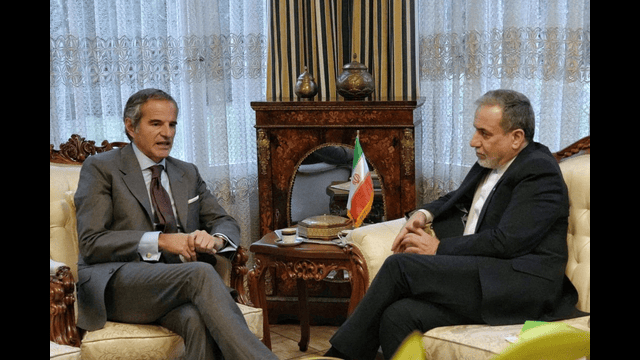
In this photo released by the Iranian Foreign Ministry, Abbas Araghchi, right, and the International Atomic Energy Agency (IAEA) Director General Rafael Grossi, left, hold a meeting in Geneva, Switzerland, Monday, Feb 16, 2026.
Diplomats from Washington and Tehran are preparing for another round of sensitive nuclear negotiations in Geneva.
The second meeting follows earlier indirect discussions and arrives during heightened military activity across the Middle East.
Both sides signal willingness to talk, yet threats, exercises, and regional anxiety continue shaping the fragile diplomatic moment.
Fresh Push for US-Iran Nuclear Talks
The upcoming US-Iran nuclear talks are scheduled for Tuesday in Geneva.
Officials hope the meeting can revive efforts to limit Iran’s nuclear program peacefully.
The first round took place on February 6 in Oman through indirect diplomatic channels.
That earlier session involved strict logistical separation between American and Iranian delegations.
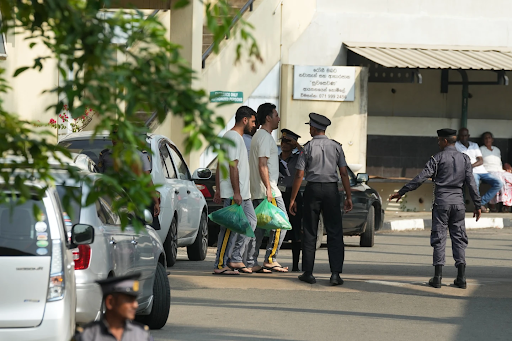
Vehicles carrying U.S. officials reportedly entered only after Iranian representatives had departed.
Details about Tuesday’s negotiation format remain unclear for now.
Washington Signals Preference for Diplomacy
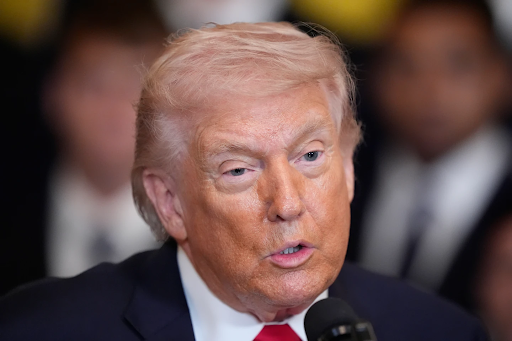
President Donald Trump has repeatedly warned that military force remains a possible option.
He insists Iran must accept limits preventing any future nuclear weapons capability.
At the same time, U.S. officials publicly emphasize that diplomacy remains the preferred solution.
Envoys Steve Witkoff and Jared Kushner are traveling for the negotiations.
Secretary of State Marco Rubio also voiced cautious optimism while speaking in Budapest.
He stressed the administration seeks negotiated outcomes despite recognizing serious challenges ahead.
Tehran Arrives With Conditions
Iran’s delegation is led by Foreign Minister Abbas Araghchi.
Before negotiations, Araghchi met the head of the United Nations nuclear watchdog in Geneva.
He stated Iran carries “real ideas” for achieving what he calls a fair agreement.
However, Araghchi also warned that Iran will not submit to threats.
Iranian leaders consistently argue their nuclear program remains entirely peaceful.
They continue rejecting demands to halt uranium enrichment or surrender existing stockpiles.
Oman Continues Quiet Mediation Role
Oman remains an important intermediary supporting the US Iran nuclear talks process.
Last week, senior Iranian official Ali Larijani visited Muscat for consultations.
He met Omani Foreign Minister Badr al-Busaidi to discuss negotiation progress.
Al-Busaidi later urged restraint and compromise from all involved parties.
Oman has long served as a trusted communication bridge between Washington and Tehran.
Its diplomatic channel helped organize earlier nuclear discussions.
Military Activity Raises Regional Anxiety
While diplomacy continues, military movements are escalating across the region.
Iran’s Revolutionary Guard launched naval exercises early Monday morning.
The drills cover the Strait of Hormuz, the Persian Gulf, and nearby strategic waters.
These routes handle roughly one-fifth of global oil shipments daily.
Security firms reported radio warnings about potential live-fire exercises soon.
Iranian state television, however, did not officially confirm such operations.
Meanwhile, the United States continues reinforcing its regional naval presence.
The aircraft carrier USS Gerald R. Ford is being deployed to the Middle East.
It will join the USS Abraham Lincoln and accompanying guided-missile destroyers already stationed nearby.
Recent Sea Encounters Add Tension
U.S. forces recently shot down an Iranian drone approaching the Lincoln.
The same day, Iran reportedly attempted to halt a U.S.-flagged commercial vessel.
Such incidents highlight how easily maritime tensions could escalate further.
Gulf Arab governments warn that any direct confrontation risks wider regional conflict.
The Middle East is still recovering from the devastating Israel-Hamas war in Gaza.
Leaders fear another crisis could destabilize global energy markets and security.
Sanctions Relief Remains Central Issue
A major sticking point in the US Iran nuclear talks involves economic sanctions.
Iran insists any nuclear compromise must include meaningful sanctions relief.
Deputy Foreign Minister Majid Takht-Ravanchi recently emphasized this position publicly.
He said Washington must demonstrate genuine commitment to reaching an agreement.
If sincerity appears, he suggested negotiations could move toward a workable deal.
Iran remains open to discussing nuclear limits alongside broader economic restrictions.
Shadow of Last Year’s Conflict
Diplomatic momentum had previously collapsed after last June’s brief regional war.
During that conflict, U.S. forces struck Iranian nuclear facilities.
Those strikes likely damaged centrifuges enriching uranium close to weapons-grade purity.
Israeli operations also weakened Iran’s air defenses and missile infrastructure significantly.
Before the conflict, Iran had enriched uranium up to sixty percent purity.
That level is technically close to weapons-grade thresholds.
High Stakes as Talks Resume
The renewed US Iran nuclear talks now unfold under intense global scrutiny.
Both sides face pressure to avoid escalation while pursuing realistic compromise.
Whether Geneva produces progress remains uncertain, but diplomacy has clearly reopened.
If negotiations succeed, they could ease regional fears and stabilize international energy security.
If they fail, tensions across the Middle East may deepen even further.