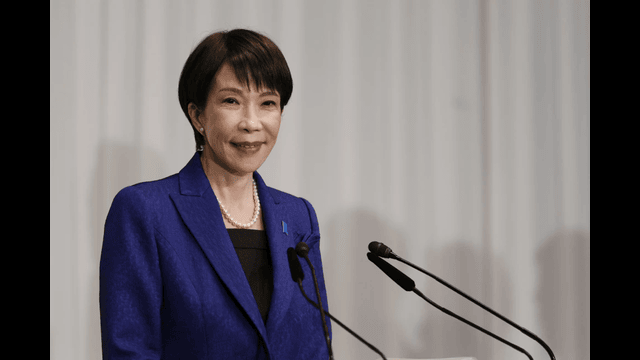
Japan’s Prime Minister Sanae Takaichi, leader of the ruling Liberal Democratic Party, speaks during her conference on Monday, Feb 9, 2026.
Japan is preparing to formally reinstall Sanae Takaichi as prime minister following her sweeping election success last week.
The parliamentary vote is largely ceremonial, yet it marks the beginning of her second Cabinet.
More importantly, it signals a stronger mandate to reshape national policy in a conservative direction.
Her governing Liberal Democratic Party now controls a powerful two-thirds majority in the lower house.
That dominance gives her unusual political leverage as Japan faces economic anxiety and regional security tensions.
Supermajority Gives Takaichi Strong Legislative Control
With two-thirds control of the lower chamber, the ruling bloc can steer committees easily.
It can also pass legislation even if the upper house blocks proposals.
This advantage allows Takaichi to move faster on defense, fiscal policy, and social reforms.
Her agenda includes expanding military capabilities, encouraging arms exports, and tightening immigration controls.
She also supports maintaining traditional imperial succession rules limited to male heirs.
Constitutional revision remains an ambition, although economic worries may delay that effort temporarily.
Economic Pressures Demand Immediate Action
Rising prices and weak wage growth remain the government’s most urgent domestic challenge.
Takaichi plans to introduce relief measures quickly through a delayed national budget.
Her proposal includes a temporary two-year sales tax reduction on food.
Supporters say this could ease household financial pressure and restore consumer confidence.
However, economists warn aggressive spending could worsen inflation and expand Japan’s already massive national debt.
Balancing fiscal stimulus with financial stability will likely shape her early political success.
Diplomatic Moves Ahead of Trump Meeting
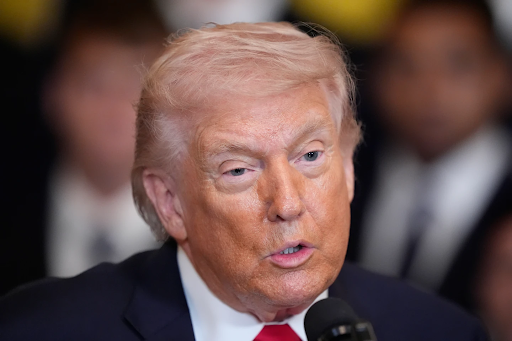
Takaichi is also preparing for a high-stakes summit with Donald Trump next month.
The American president publicly backed her before Japan’s election.
His administration recently confirmed Japanese investment in several large U.S. industrial projects.
These projects include an Ohio gas facility, a Gulf Coast oil export hub, and a synthetic diamond plant.
Japan has already committed billions toward the first development phase.
Defense spending will likely dominate the summit discussion as Washington presses allies for higher contributions.
Tougher Tone Expected Toward China
Security concerns involving China remain central to Takaichi’s foreign policy outlook.
She previously suggested Japan could respond if Beijing moves militarily against Taiwan.
Those remarks triggered diplomatic protests and economic pressure from China.
Yet many Japanese voters welcomed her firm stance amid growing regional tensions.
Analysts believe her strong election victory could encourage an even tougher approach.
Domestic support for stronger security partnerships with Western allies also appears to be rising.
Symbolic Shrine Visit May Renew Regional Friction
Soon after the election, Takaichi signaled interest in visiting the controversial Yasukuni Shrine in Tokyo.
Neighboring countries often criticize such visits due to the shrine’s wartime associations.
Any official appearance there could strain diplomatic ties again.
Still, conservative supporters inside Japan view such gestures as expressions of national respect.
Expanding Military Strength and Intelligence Coordination
Takaichi has pledged to revise Japan’s defense framework before year-end.
Her plan includes relaxing limits on lethal weapons exports and strengthening intelligence operations.
Officials are also exploring development of nuclear-powered submarines to expand strategic reach.
A proposed national intelligence body would deepen coordination with allies, including Australia and Britain.
She also supports a stronger anti-espionage law focused largely on suspected Chinese intelligence activities.
Civil rights advocates warn the measure could risk excessive government surveillance.
Immigration Limits and Traditional Social Policies
On domestic policy, Takaichi favors stricter immigration and residency enforcement.
Her government has already approved tighter rules on permanent residency and unpaid social contributions.
She also promotes traditional family policies and opposes legalizing same-sex marriage.
Takaichi backs maintaining the imperial male-only succession system as constitutional tradition.
Instead of allowing separate surnames for married couples, she suggests expanded use of maiden names as aliases.
A Defining Second Term Begins
Political analysts from Ritsumeikan University say her leadership now faces a crucial test.
Voters expect decisive economic relief alongside firm security policy.
International relations, especially with China and the United States, will shape Japan’s global role.
With strong parliamentary backing and rising geopolitical pressure, Takaichi’s second administration begins at a pivotal moment.
How she balances domestic economics with national security could define Japan’s political direction for years.