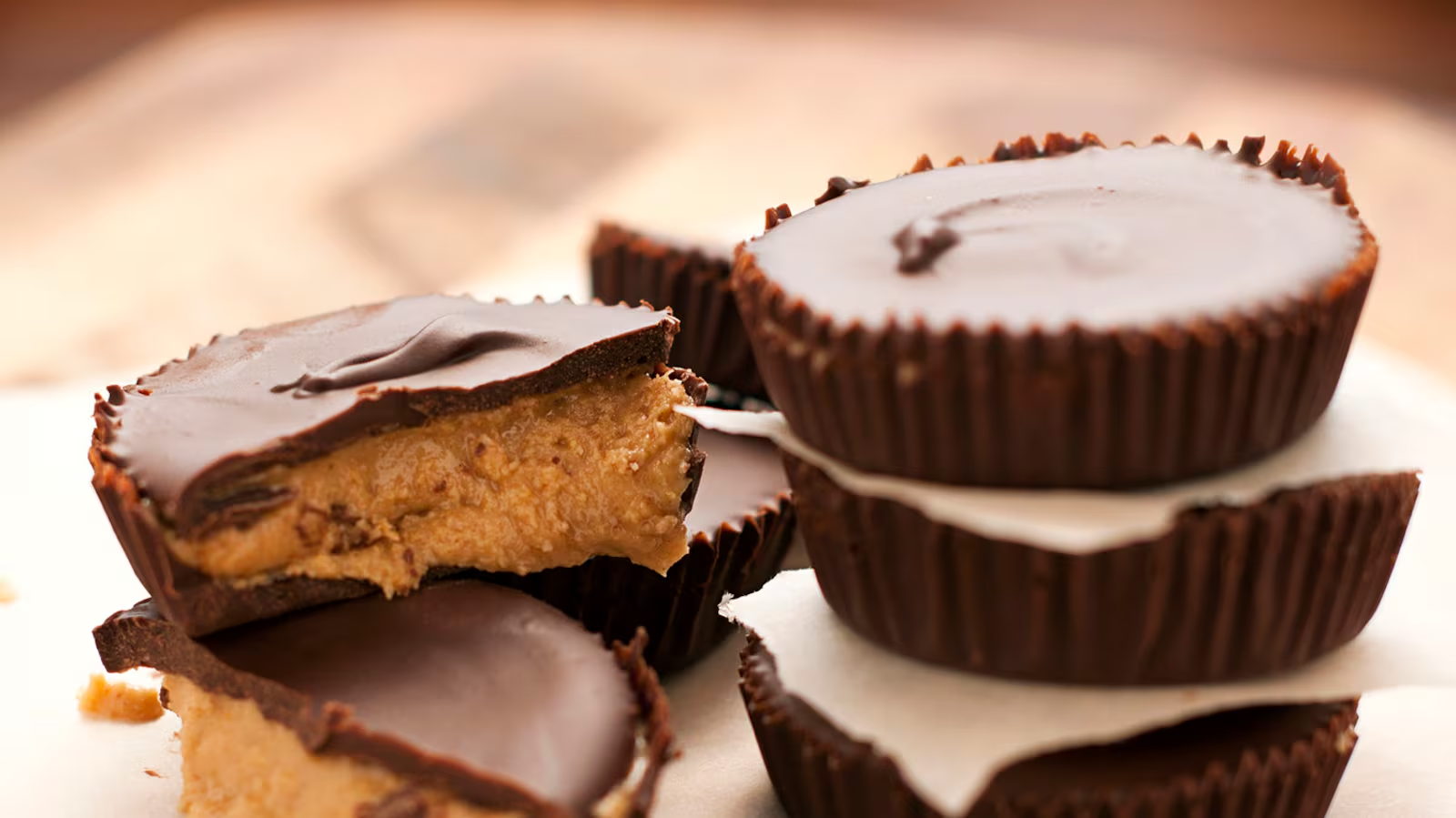
The grandson of the man who created Reese’s Peanut Butter Cups has criticized The Hershey Co., saying the company has weakened the brand by using lower-cost ingredients in several of its products. AP Photo
A family member of the man who created Reese’s Peanut Butter Cups has publicly criticized the company that now makes the candy, saying it has lowered product quality by changing key ingredients.
Brad Reese, the 70-year-old grandson of inventor H.B. Reese, accused The Hershey Co. of replacing milk chocolate and peanut butter with cheaper substitutes in several Reese’s products. He shared his concerns in a letter dated Feb. 14 and later posted it on LinkedIn.
In the letter, Reese questioned how the company can continue to promote Reese’s as a symbol of trust and quality while altering the ingredients that made the brand famous.
“How does The Hershey Co. continue to position Reese’s as its flagship brand, a symbol of trust, quality and leadership, while quietly replacing the very ingredients (Milk Chocolate + Peanut Butter) that built Reese’s trust in the first place?” Reese wrote.
A Family Legacy
H.B. Reese worked briefly for Hershey before starting his own candy company in 1919. He introduced Reese’s Peanut Butter Cups in 1928. Decades later, his six sons sold the company to Hershey in 1963.
Brad Reese said he believes the original spirit of the brand has changed in recent years.
He pointed to products such as Reese’s Mini Hearts, which were released for Valentine’s Day. The packaging describes them as made with “chocolate candy and peanut butter crème” rather than milk chocolate and peanut butter.
“It was not edible,” Reese said in an interview. “You have to understand. I used to eat a Reese’s product every day. This is very devastating for me.”
Hershey Responds
Hershey acknowledged that some product recipes have changed but maintained that its classic Reese’s Peanut Butter Cups remain the same. The company said it still uses milk chocolate and peanut butter made from roasted peanuts, sugar and salt for the original cups.
The company explained that it adjusts certain recipes when introducing new shapes, sizes and product innovations. It said these changes allow it to expand the product line while protecting the brand’s signature taste.
High cocoa prices in recent years have also led chocolate makers to explore different formulations. Industry regulations require products labelled as milk chocolate to meet specific standards for cocoa content, milk solids and milk fat.
Some companies avoid these requirements by using terms such as “chocolate candy” instead of “milk chocolate” on packaging.
Broader Changes Alleged
Reese claimed that other items, including Reese’s Take5 and Fast Break bars, no longer use milk chocolate coatings as they once did. He also said White Reese’s products, which originally contained white chocolate, now feature a white crème instead.
He further suggested that versions sold in parts of Europe and the United Kingdom differ from those in the United States. Hershey disputed that claim, stating that its cups in those markets follow the same recipe but use different labelling to meet local regulations.
In a past investor call, Hershey’s chief financial officer said the company made some formula adjustments but ensured there was no impact on taste. He added that extensive consumer testing takes place before any change.
Still, Brad Reese said he regularly hears from customers who believe the candy no longer tastes the same. He cited a well-known quote from Milton Hershey: “Give them quality, that’s the best advertising.”
“I absolutely believe in innovation, but my preference is innovation with quality,” Reese said.