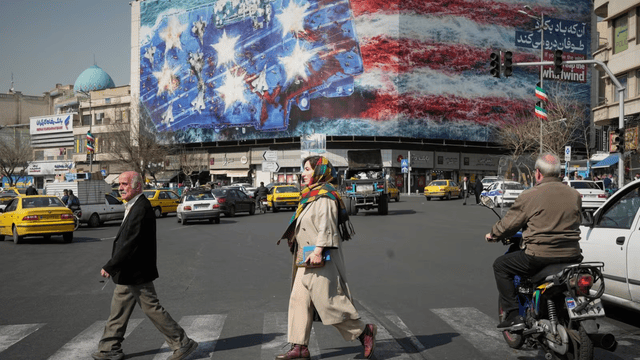
Pedestrians walk past a billboard depicting a U.S. aircraft carrier with damaged fighter jets on its deck and a sign in Farsi and English reading, "If you sow the wind, you'll reap the whirlwind," at Enqelab-e-Eslami (Islamic Revolution) Square in Tehran, Iran, Sunday, Feb. 22, 2026. (AP Photo)
The United States and Iran will return to the negotiating table Thursday in Geneva for another round of nuclear talks, as Washington awaits a formal proposal from Tehran and tensions rise over the possibility of military action.
Deal Awaited As Tensions Escalate
Oman, which has mediated previous indirect negotiations, confirmed the meeting. Iranian Foreign Minister Abbas Araghchi said he expects to meet U.S. envoy Steve Witkoff and indicated that a draft framework for a potential agreement is still being finalized.
The core dispute remains unchanged: the U.S. demands zero uranium enrichment, while Iran insists enrichment is its sovereign right.
Military Option Still On The Table
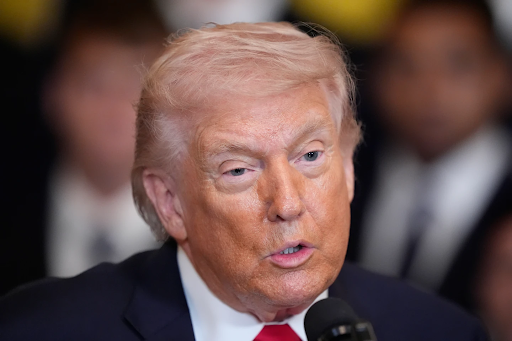
Trump has warned that limited U.S. strikes remain possible if negotiations collapse. Both sides say they are prepared for conflict, even as they publicly signal that a diplomatic breakthrough is still achievable.
Shadow Of The 2018 Deal Collapse
The talks attempt to revive a process frozen since Washington exited the 2015 nuclear agreement. Iran maintains its program is peaceful, but Western powers fear it could move toward weapons capability.
Protests Reignite Across Iran
The diplomatic push comes as new student-led demonstrations erupt in Tehran and Mashhad following 40-day memorials for those killed in the previous crackdown.
Chants of “Death to dictator” and clashes on campuses highlight the pressure facing Iran’s leadership under Ali Khamenei.
A Nation On Edge
With competing death toll claims, mass arrests and restricted communications, the internal unrest adds urgency to the Geneva talks — where the outcome could determine whether the crisis shifts toward compromise or confrontation.