CIA Iran informants tips posted online in Farsi outline secure contact methods as US-Iran tensions escalate.
The U.S. intelligence community has renewed outreach efforts toward potential informants inside Iran.
The CIA Iran informants tips were shared online in Farsi, offering guidance on secure contact methods.
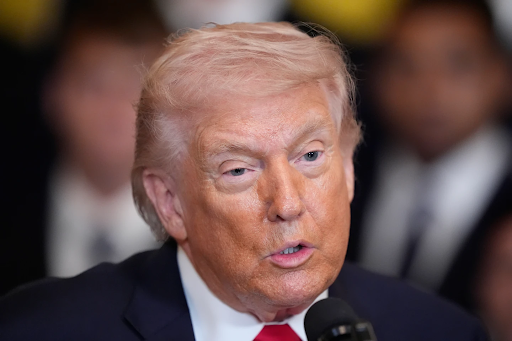
The message appeared as President Donald Trump weighs possible military action against the country.
The timing highlights growing strain in U.S.–Iran relations and renewed political unrest inside Iran.
CIA Iran Informants Tips Shared Online
The Central Intelligence Agency posted the new instructions on social media platforms Tuesday.
The Farsi-language message appeared on X, Instagram, and YouTube to reach Iranian audiences directly.
Officials described the campaign as part of ongoing global recruitment outreach.
The CIA wrote that it hears Iranian citizens and wants to help them safely communicate.
The agency then outlined steps for arranging a secure virtual contact channel.
Within hours, the CIA Iran informants tips message received millions of online views.
The rapid engagement suggested strong public curiosity and international attention.
Secure Contact Methods Explained
The guidance stressed protecting personal identity while reaching U.S. intelligence officials.
Users were advised to install virtual private networks to bypass surveillance systems.
The agency also suggested using disposable devices that cannot easily be traced.
Officials encouraged browsing through private search tools and regularly deleting internet history.
These steps aim to reduce digital footprints and protect potential sources.
The CIA further explained how informants could access its official website securely.
Instructions also mentioned the darknet, which requires special tools for anonymous access.
Similar secure-contact guidance has previously been released in Russian and other languages.
Part of a Broader Recruitment Strategy
The CIA Iran informants tips campaign follows earlier outreach targeting several countries.
Previous recruitment messages were produced in Mandarin, Korean, Russian, and other major languages.
Officials say those digital campaigns generated meaningful global engagement.
CIA Director John Ratcliffe recently said past outreach videos reached large foreign audiences.
He noted many viewers appeared interested in improving their personal and national futures.
While the agency will not confirm operational results, leaders believe the campaigns are effective.
Military Pressure Adds Urgency
The message arrives during a tense geopolitical moment involving Washington and Tehran.
The United States has reportedly assembled its largest regional military presence in decades.
Trump previously threatened military action following Iran’s crackdown on domestic protests.
Attention later shifted toward Iran’s controversial nuclear program and stalled negotiations.
Trump warned Tehran to reach a nuclear agreement or face serious consequences.
Another round of nuclear discussions is expected later this week.
Protests Signal Internal Unrest
Domestic tensions inside Iran are also rising.
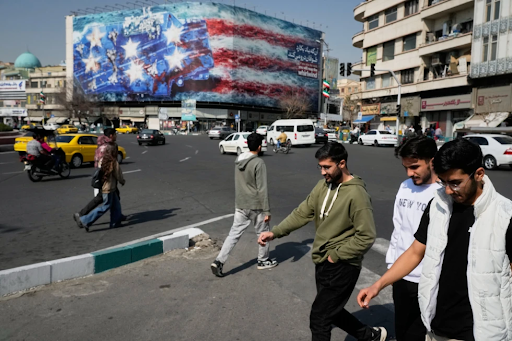
Students staged anti-government demonstrations at several universities in Tehran on Monday.
The protests reflected broader dissatisfaction with political leadership and economic pressures.
Observers say internal unrest could influence both diplomatic talks and intelligence strategies.
The CIA Iran informants tips outreach may therefore serve multiple strategic purposes.
Iran’s Response Still Unclear
Iran’s mission to the United Nations has not issued an immediate public response.
Officials did not comment on the new recruitment message or its implications.
Diplomatic observers expect Tehran to review the outreach carefully.
For now, the CIA’s digital campaign continues circulating widely online.
Its release underscores how intelligence operations increasingly rely on public digital communication.
As tensions grow, the CIA Iran informants tips initiative highlights a new modern espionage approach.
Online messaging, secure technology, and global audiences now shape intelligence recruitment efforts.