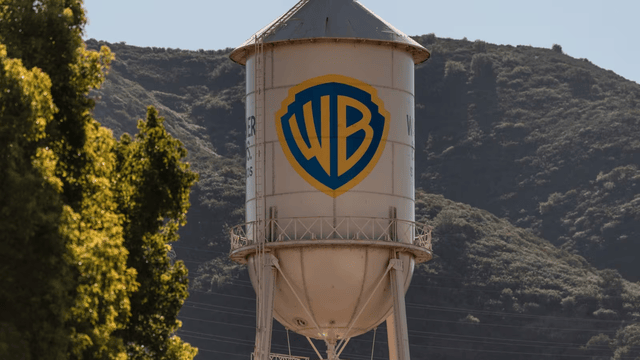
The Warner Bros. water tower is seen at Warner Bros. Studios in Burbank, Calif., Dec. 5, 2025.
Netflix has stepped away from the race to acquire Warner Bros. Discovery, clearing a potential path for Paramount to take control of the historic media company. The decision follows a dramatic shift in bidding that reshapes the future of Hollywood’s studio landscape.
After Warner’s board declared Paramount’s revised offer superior, Netflix chose not to increase its proposal. The streaming giant said the higher valuation required would make the deal financially unattractive, signalling a decisive retreat from negotiations.
Paramount Emerges as Frontrunner in Netflix Warner Deal Drama
Paramount’s proposal differs significantly from Netflix’s earlier bid. While Netflix focused on Warner’s studio and streaming assets, Paramount wants the entire company. That includes major networks such as CNN and Discovery, alongside Warner’s film and television operations.
If completed, the merger would combine two of Hollywood’s five remaining legacy studios. Warner’s portfolio includes HBO Max, DC Studios, and global franchises like “Harry Potter,” “Superman,” and “Barbie.” It also controls acclaimed television hits such as “Succession” and “The White Lotus.”
Paramount brings its own iconic library to the table, including “Top Gun,” “Titanic,” and “The Godfather.” The company also owns CBS, MTV, Nickelodeon, and the Paramount+ streaming platform. Together, the combined entity would command a vast share of premium content and distribution channels.
Why Netflix Walked Away
Warner had backed Netflix’s proposal for months, viewing it as strategically aligned with its streaming ambitions. However, Skydance-owned Paramount raised its offer to $31 per share, along with additional financial incentives.
Warner’s board labeled the new proposal a “company superior proposal,” effectively sidelining Netflix. In response, Netflix confirmed it would not revise its offer, arguing that the updated price no longer justified the investment.
The decision ends weeks of public competition between the two bidders. Executives from both sides had argued their proposals offered better regulatory paths and shareholder value. Paramount’s financial sweeteners ultimately tipped the scale.
Financial Incentives and Regulatory Stakes
To strengthen its bid, Paramount agreed to a $7 billion regulatory termination fee. The company also accelerated a previously promised ticking fee, committing to pay 25 cents per share if the deal remains incomplete by the end of September.
These concessions aim to reassure Warner shareholders about regulatory risks. However, Paramount is taking on billions in debt to finance the acquisition. The bid is heavily backed by Larry Ellison, founder of Oracle, who supports his son David Ellison’s Skydance venture.
Foreign sovereign wealth funds have also provided equity financing, drawing additional scrutiny from regulators. The scale of the proposed merger raises significant antitrust concerns both in the United States and abroad.
Antitrust Concerns Intensify
Lawmakers and industry groups have already voiced alarm over further consolidation. Critics argue that merging Paramount and Warner would concentrate power within an already tight media landscape.
They warn that fewer independent studios could mean reduced competition, potential job losses, and less creative diversity. Consumers may also face higher streaming prices as companies seek to recover acquisition costs.
The U.S. Department of Justice has initiated reviews, and regulators in other countries are expected to follow. Given the global footprint of both companies, international approval will likely play a decisive role.
Politics and Media Power Collide
The proposed acquisition also intersects with political tensions. Paramount’s CBS has undergone editorial shifts under Skydance ownership, including leadership changes at CBS News.
The Ellison family maintains a relationship with President Donald Trump, adding political overtones to the transaction. Trump previously suggested he could influence the regulatory process before clarifying that approval rests with the Justice Department.
The timing is also sensitive. Skydance only recently completed its own acquisition of Paramount, following a controversial merger and a $16 million settlement tied to CBS’ “60 Minutes.”
What Comes Next for the Netflix Warner Saga
With Netflix stepping aside, Paramount now stands as the leading contender. The outcome could redefine Hollywood’s balance of power and reshape the streaming wars.
Warner’s shareholders must now weigh financial gains against regulatory uncertainty. Meanwhile, audiences, creators, and investors watch closely as the next chapter unfolds in the evolving Netflix Warner deal story.