US-Israel attacks Iran mark a major shift in Middle East power, triggering military escalation and global diplomatic tension.
When Israel responded to the October 7, 2023, assault by Hamas, its objective extended far beyond Gaza. The campaign steadily evolved into a broader effort to dismantle Iran’s regional influence, weakening the network of militias and political allies that Tehran had cultivated for decades. Nearly two and a half years later, that sustained pressure culminated in sweeping US-Israel attacks on Iran, dramatically reshaping the Middle East’s balance of power.
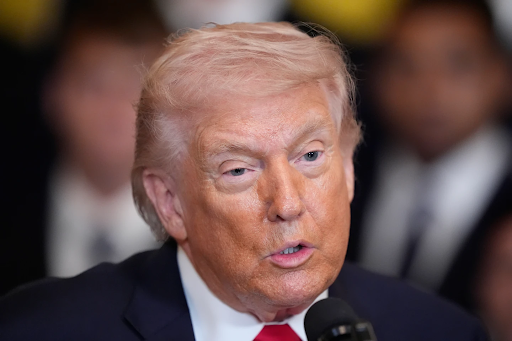
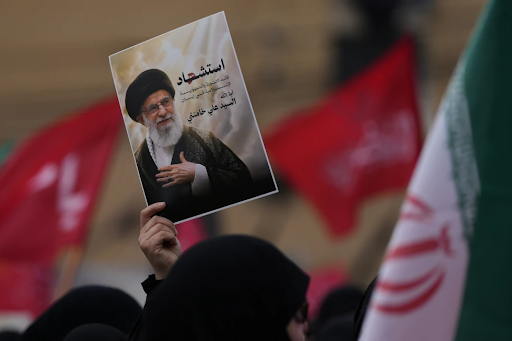
The weekend strikes ordered by President Donald Trump alongside Israeli leaders marked the most consequential escalation yet. The attacks killed Iran’s Supreme Leader, Ayatollah Ali Khamenei, and inflicted significant damage on strategic facilities. While the war remains in its early phase, analysts describe it as the outcome of a long, cumulative unraveling of Iran’s regional clout.
Gaza War Set the Chain Reaction in Motion
The war in Gaza served as the catalyst for this transformation. After Hamas militants killed 1,200 people and abducted 251 during the October 7 assault, Israel launched an extensive military campaign. According to Gaza’s Health Ministry, more than 72,000 Palestinians have since been killed, nearly half of them women and children, though the ministry does not distinguish between civilians and militants.
What began as a confrontation with Hamas quickly widened. Groups aligned with Tehran’s so-called Axis of Resistance entered the fray, expanding the conflict across borders and drawing Israel into multiple theaters simultaneously.
Hezbollah’s Setback Weakens Tehran’s Shield
Among Iran’s most formidable allies was Hezbollah in Lebanon. Long viewed as Tehran’s first line of defense against Israel, Hezbollah possessed a vast arsenal and a deeply entrenched command structure under its former leader, Hassan Nasrallah.
Following October 7, Hezbollah launched rockets toward northern Israel in support of Hamas. Israel responded with sustained airstrikes and artillery fire, and by late 2024 the clashes escalated into open warfare. Israeli operations eliminated Nasrallah and other senior figures, while degrading much of the group’s missile capacity. A US-brokered ceasefire paused large-scale fighting last November, yet Israel continues targeted strikes in southern Lebanon.
Hezbollah’s position was further weakened when rebels toppled Syrian President Bashar Assad, disrupting a crucial supply corridor for Iranian weapons flowing through Syria into Lebanon.
Israel Abandons the Old Status Quo
As the regional conflict widened, Israel signaled it no longer intended to maintain the fragile deterrence that had defined its standoff with Iran. That shift became unmistakable last June when Israel launched a surprise offensive targeting Iran’s advancing nuclear program, even as Tehran and Washington were engaged in negotiations.
The 12-day confrontation that followed saw Israeli strikes hit energy infrastructure and Defense Ministry sites deep inside Iran. Notably, Iran’s proxy militias offered limited direct intervention, reflecting what analysts describe as a growing instinct for self-preservation among these groups.
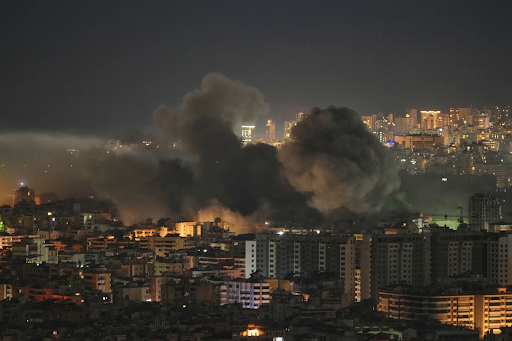
Since the latest US-Israel attacks on Iran, that pattern has largely continued. However, Hezbollah broke its relative restraint early Monday, firing missiles into Israel in retaliation for Khamenei’s death. Israel swiftly answered with airstrikes on Beirut’s southern suburbs, marking the first publicly claimed Hezbollah attack in over a year.
Uncertain Calculations Across the Region
Elsewhere, Iran-aligned groups appear to be weighing their options carefully. In Iraq, the Islamic Resistance in Iraq has claimed drone strikes against US bases in Irbil, though the extent of damage remains unclear. Regional officials suggest contingency plans had been discussed months earlier in anticipation of potential direct strikes on Iran.
Yet experts caution against assuming strict command-and-control coordination from Tehran. Over time, these militias have developed their own priorities and survival strategies. The limited and cautious responses so far may reflect both strategic recalibration and the erosion of Iran’s once-centralized influence.
The cumulative effect of the Gaza war, Hezbollah’s degradation, Syria’s political upheaval, and sustained Israeli offensives has fundamentally altered regional dynamics. What began as retaliation for a single attack has evolved into a broader campaign that redefined deterrence lines and exposed vulnerabilities within Iran’s network.
As the US-Israel attacks on Iran unfold, the region stands at a transformative crossroads. Whether this moment leads to prolonged confrontation or a restructured order remains uncertain, but the dominoes that began falling in October 2023 have already reshaped the Middle East in profound ways.