Alberta is reviewing whether to continue changing clocks twice a year after British Columbia revealed plans to remain on daylight time throughout the year. Yahoo!
Alberta may once again debate whether to end the twice-yearly clock change after British Columbia announced plans to stay on daylight time all year.
B.C. Premier David Eby said Monday the province will move its clocks ahead one final time this Sunday. After that, British Columbia plans to keep daylight time permanently in place. Eby said the move aims to simplify daily life for residents.
If B.C. follows through, Alberta will share the same time from November to March. From March to November, Alberta would match Saskatchewan instead.
Saskatchewan Already Stays Put
Saskatchewan stands as the only Canadian province that does not follow daylight saving time. Most of the province stays on central standard time throughout the year, although a few border communities adjust their clocks seasonally.
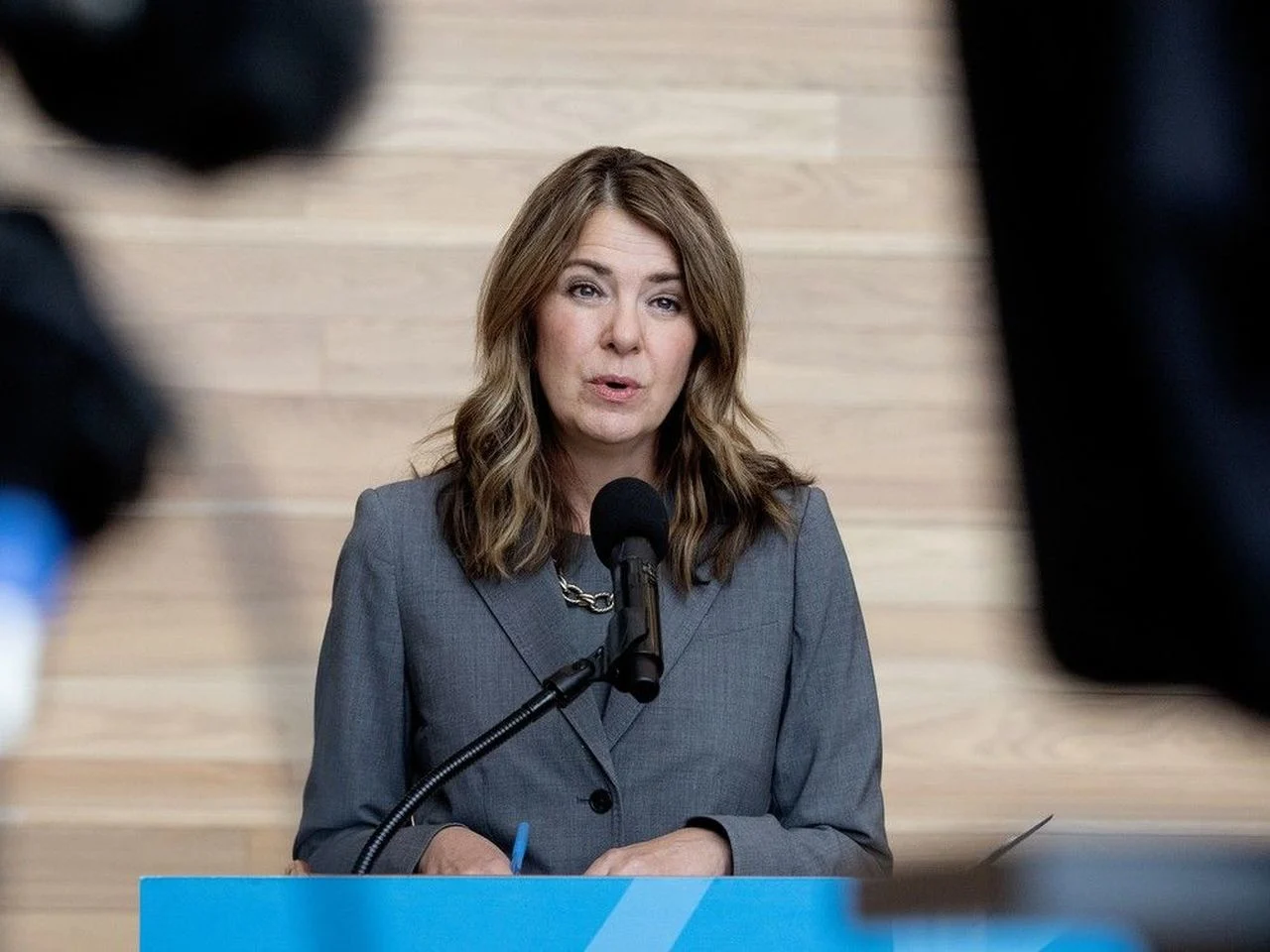
With Saskatchewan already on permanent standard time and British Columbia preparing to remain on daylight time, Alberta now finds itself in the middle. Premier Danielle Smith says the shift next door raises fresh questions about consistency across Western Canada.
“Our government will take these recent developments under consideration and evaluate whether a similar change would be in the best interest of Albertans,” Smith said in a statement Monday.
A Close Vote in 2021
This is not the first time Alberta has discussed the issue.
In 2021, the province asked voters in a referendum whether Alberta should keep daylight time year-round. The proposal would have ended the spring and fall clock changes.
The result proved extremely close. A narrow majority — 50.2 per cent — voted against the change, while 49.8 per cent supported it.
That outcome surprised some observers. In 2020, a government survey showed strong interest in ending the time switch. Of the 141,000 people who responded, 91 per cent said they preferred to stop changing their clocks twice a year and remain on daylight time.
Despite that survey, the referendum failed by a slim margin.
Past Concerns and Political Debate
Alberta has followed daylight saving time since 1971. Over the years, several governments have explored changing the system.
In 2017, the former NDP government examined the possibility of ending daylight saving time. Officials raised concerns about possible effects on airline schedules and the timing of National Hockey League games. The province ultimately chose not to move forward at that time.
Now, with B.C. preparing to adopt permanent daylight time, the discussion returns. Smith’s United Conservative government says it will review the situation before making any decisions.
Clocks Change This Weekend
For now, Albertans will still move their clocks ahead one hour when daylight saving time begins this Sunday at 2 a.m.
Whether this routine continues in the coming years remains uncertain. With neighbouring provinces taking different approaches, Alberta faces renewed pressure to decide whether consistency or tradition should guide its next step.
The debate over time changes may seem small, but it touches daily routines, business schedules, and regional alignment across Western Canada.