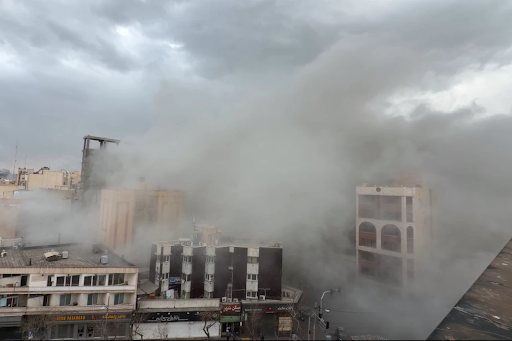
Leaders convene emergency talks as the Iran War Response intensifies, with missile strikes and diplomacy shaping global reactions.
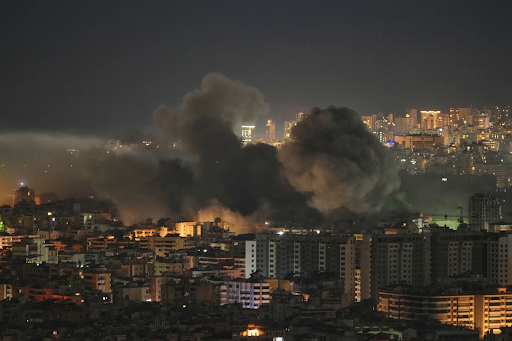
The global response to the escalating Iran war has been swift, anxious, and at times unexpected. After coordinated U.S. and Israeli strikes on Iran over the weekend, tensions quickly spilled beyond borders, drawing in allies, rivals, and regional players. As missiles and drones crossed the skies, diplomacy struggled to keep pace with events unfolding on the ground.
In the immediate aftermath, details began emerging about the potential damage to Iran’s nuclear facilities, which sit at the heart of the confrontation. However, even before assessments were complete, governments worldwide were forced to decide where they stood. Some chose clear positions, while others responded with calculated silence.
Allies Speak Carefully Amid Iran War Response
Several nations avoided directly addressing the initial U.S.-Israeli strikes, yet they strongly condemned Iran’s retaliatory attacks. This selective criticism reflected diplomatic caution, especially given Washington’s central role in the conflict. Governments appeared mindful of the political consequences of openly challenging the United States.
Canada and Australia, however, offered open support for the strikes, signaling firm alignment with Washington. In contrast, Russia and China delivered sharp rebukes, accusing the United States and Israel of escalating tensions under the guise of nuclear concerns. Spain also criticized the military action, while India urged both sides to return to dialogue.
Rafael Grossi, head of the U.N. nuclear watchdog, emphasized that diplomacy would eventually be unavoidable. His remarks underscored growing international concern that prolonged fighting could further destabilize the region.
Regional Fallout Expands the Iran War Response
As the conflict widened, countries across the Middle East found themselves directly affected. Gulf states convened emergency meetings, while borders closed and embassies evacuated staff. Military reinforcements moved into strategic positions as governments braced for further escalation.
Leaders from Qatar, Saudi Arabia, the United Arab Emirates, Kuwait, Oman, and Bahrain jointly called on Iran to halt its attacks. At the same time, they asserted their right to defend their territories if threatened. Their statements reflected mounting anxiety over strikes landing uncomfortably close to home.
Meanwhile, Britain, France, and Germany renewed calls for negotiations over Iran’s nuclear program. The three nations had previously led diplomatic efforts aimed at preventing precisely this scenario. They reiterated support for a negotiated solution, even as they prepared contingency measures to limit further missile and drone launches.
Germany clarified it would not join direct military operations but would defend its personnel stationed in the region if necessary. Britain stressed it was not at war, although it permitted U.S. forces to use shared bases. Each government carefully defined the limits of its involvement.
Diplomacy Struggles to Regain Ground
Oman, which had been facilitating nuclear talks, strongly criticized the U.S. action as a breach of international law. Yet its foreign minister insisted that diplomacy remains possible. That message echoed broader international appeals for restraint.
The 22-member Arab League took a notable stance by condemning Iran’s attacks on neighboring states. Syria, historically aligned with Tehran, also criticized Iran’s actions, signaling shifting regional alliances under its new leadership.
The United Nations Security Council convened in emergency session shortly after the strikes began. With citizens stranded abroad and some casualties reported among foreign nationals, more countries now have direct stakes in the outcome.
Energy and Nuclear Safety Concerns Intensify
Beyond immediate military risks, economic anxieties quickly surfaced. China, a major buyer of Iranian oil, expressed deep concern and urged an immediate halt to hostilities. Japan sought to reassure markets, stating that its domestic oil reserves could cushion supply disruptions for months.
European Union leaders emphasized the importance of nuclear safety and restraint. Meanwhile, the International Campaign to Abolish Nuclear Weapons condemned the strikes, warning of dangerous precedents.
As the Iran war response continues to evolve, the world faces an uncertain path forward. While military operations dominate headlines, diplomatic channels remain open, though fragile. Whether negotiations can regain momentum may determine how far this regional war ultimately spreads.