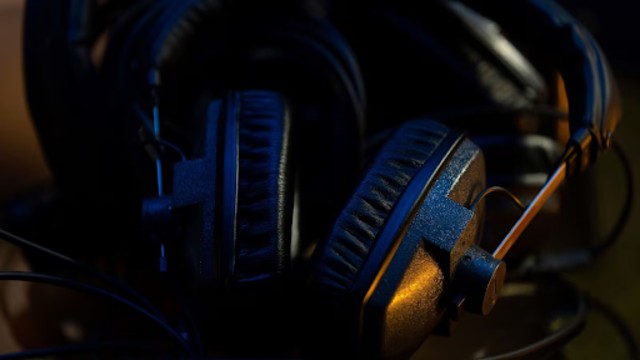
Suno and Udio are among a new crop of startups that use generative AI to automate the music-making process. Getty Images
AI music is entering a new phase. Suno, a fast-growing U.S. artificial intelligence music platform, has struck a major agreement with Warner Music Group to compensate artists whose work powers the next generation of AI sound.
The move settles a high-profile lawsuit from Warner, which accused Suno of using copyrighted music without permission or payment. Several major labels had raised similar concerns, claiming Suno and competitor Udio trained their systems on songs from global stars without authorization.
A New Model for AI-Driven Music
As part of the agreement, Suno will roll out updated AI models in 2026. A paid account will be required to download audio from the platform. The companies say this shift aims to create a more controlled and transparent environment for AI-generated music.
One key feature stands out. Artists will now be able to choose whether Suno can use their names, images, likenesses, voices, and compositions to create new AI-driven music. The platform outlined this in an online message to users, framing it as an entirely new creative opportunity.
Suno says opted-in artists will unlock fresh income streams and build new kinds of fan engagement. The company believes the collaboration model could reshape how people experience music in the AI era.
Warner Calls It a Landmark Step
Warner Music Group’s CEO Robert Kyncl praised the deal, calling it a landmark agreement that “benefits everyone.” He said Suno’s rapid growth offered an important moment to bring structure and fairness to AI music development.
According to Kyncl, AI becomes “pro-artist” only when it follows clear principles: using licensed training models, recognizing the value of music both on and off platforms, and giving artists and songwriters a genuine opt-in choice.
Industry Pressure Builds
The dispute that led to the deal reflected broader industry concerns. Earlier lawsuits pointed to prompts generating AI tracks mimicking music styles of Chuck Berry, James Brown, Michael Bublé, ABBA, and other icons. Labels warned this created a risk of widespread copyright misuse.
The Suno–Warner partnership follows another major move in the sector. Last month, Udio reached a similar agreement with Universal Music Group, home to Taylor Swift, The Weeknd, and other global artists. Together, these deals suggest a rapid shift toward regulated and artist-approved AI music creation.
A Turning Point for AI and Music
With this agreement, Suno and Warner have set a precedent that could influence how AI platforms operate worldwide. The industry appears to be moving toward systems that reward creativity while protecting artists’ rights.
The next wave of AI-generated music may not just sound new. It may finally come with rules, transparency, and shared benefits for the people who inspire it.