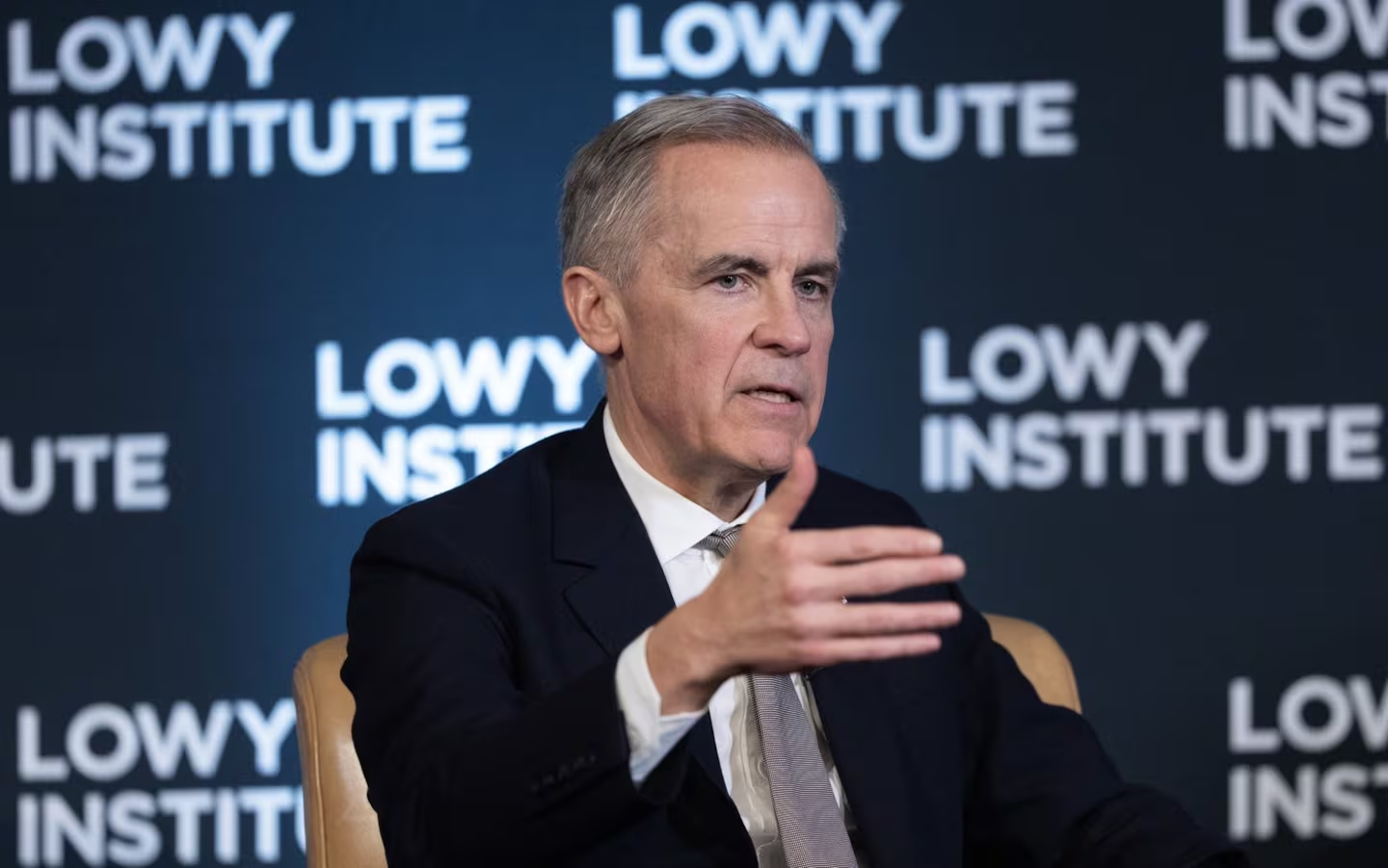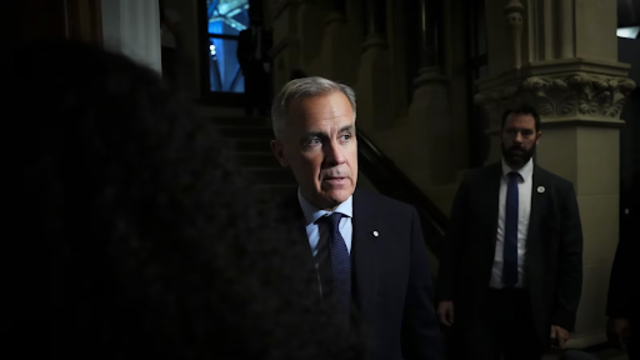
Prime Minister Mark Carney was spotted on Parliament Hill in Ottawa on Wednesday, June 11, 2025. (The Canadian Press)
Prime Minister Mark Carney expressed frustration Monday over the stalled negotiations between Air Canada and its flight attendants. After eight months of talks, the two sides failed to agree, leaving travellers across the country facing delays and cancellations.
“We are in a situation where literally hundreds of thousands of Canadians and visitors to our country are being disrupted by this action,” Carney told reporters before meeting Ontario Premier Doug Ford in Ottawa.
Strike sparks travel chaos
Flight attendants walked off the job early Saturday when contract talks collapsed late Friday night. The strike caused widespread disruptions just as the busy travel season continues.
On Saturday, Jobs Minister Patty Hajdu referred the dispute to the Canada Industrial Relations Board for binding arbitration. She said both sides admitted they had reached an impasse.
Carney agreed that the breakdown was serious. “It was the judgment of both the union and the company that they were at an impasse. That’s not my judgment, it’s their judgment,” he explained.
Federal government steps in
Carney highlighted the importance of the dispute, noting the essential role of flight attendants. “It’s important that they’re compensated equitably at all times,” he said. He stressed their work protects travellers and keeps air travel safe.
Despite Ottawa issuing a back-to-work order, the union defied it over the weekend and filed a legal challenge. On Monday morning, the labour board ruled the strike illegal and ordered union leaders to direct their members back to work immediately.
Ford calls for fairness
After his meeting with Carney, Premier Ford spoke about the need for balance. He said the eventual agreement should protect workers while keeping Air Canada stable and ensuring Canadians are served properly.
“Everyone deserves a fair wage,” Ford said. “The final deal has to be in the best interest of the workers, the company and Canadians.”
When asked about the union’s initial refusal to comply with Ottawa’s order, Ford replied that it was up to the federal government to keep both sides at the table.
“That always happens when you have labour issues, but they’ll work it out,” Ford said. “It’s happened before, and they’ll get things moving.”
Next steps remain unclear
The binding arbitration process aims to push both sides toward a settlement. However, questions remain about how long the dispute will last and whether workers and management can reach common ground.
For now, Carney is urging urgency. “We need this resolved quickly,” he said, pointing to the mounting frustration of travellers.