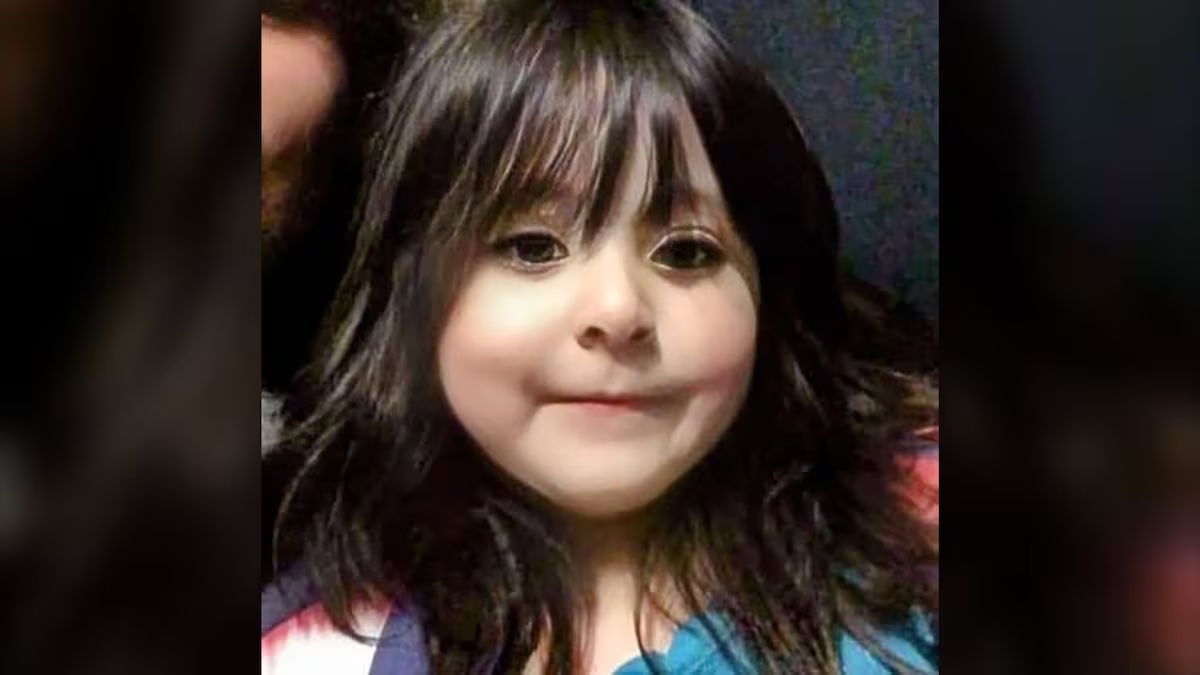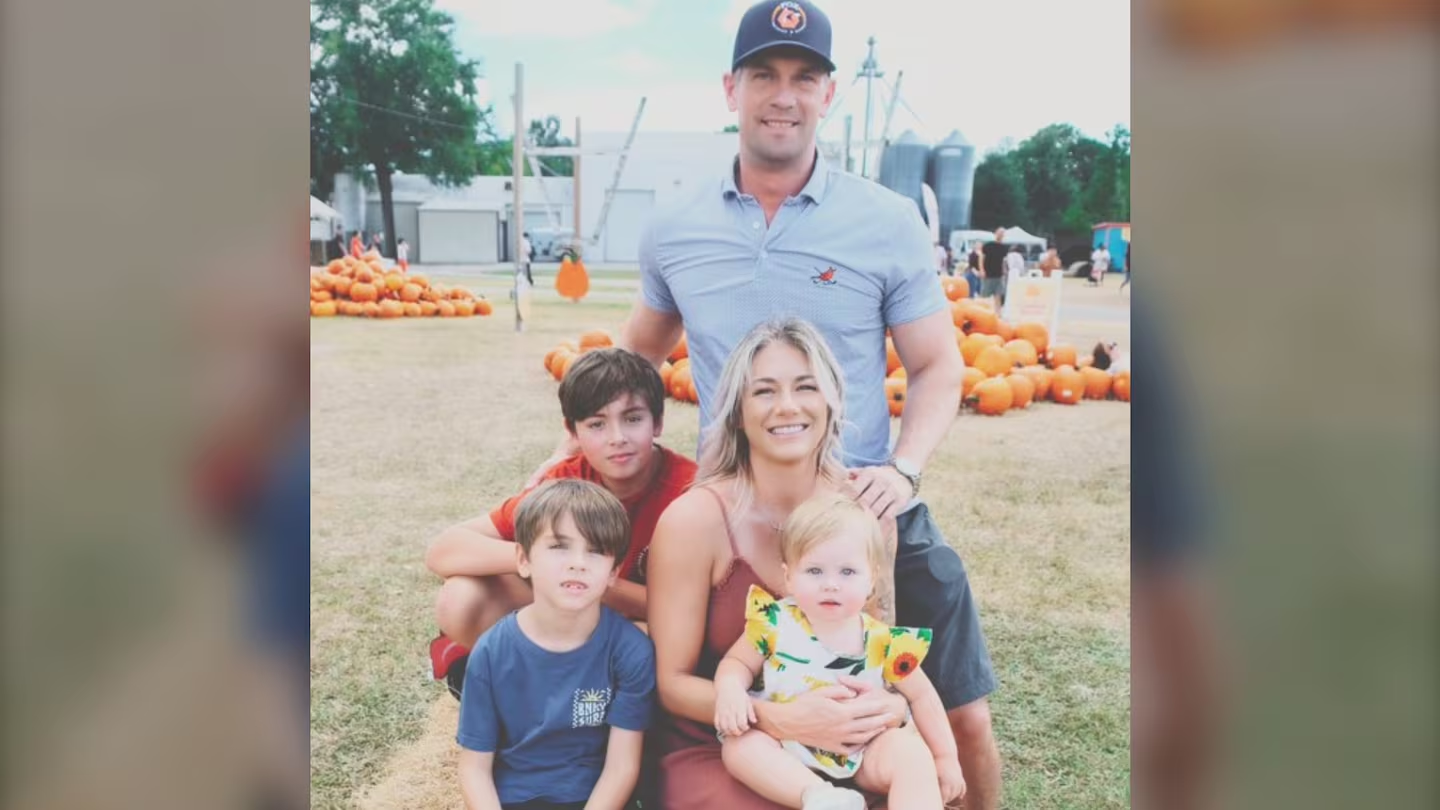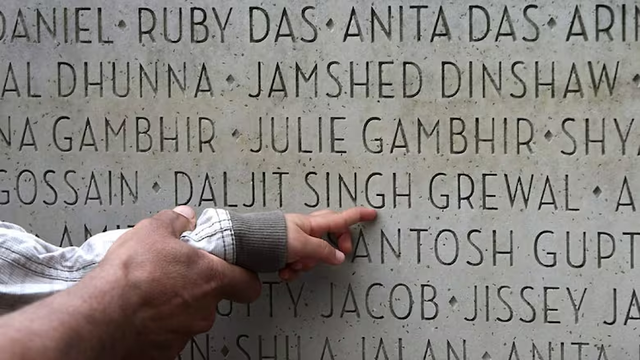
A young child points at a name on the Air India Memorial in Vancouver's Stanley Park. The memorial honours the 329 lives lost in the 1985 bombing. A family member who lost three loved ones in the tragedy is now asking for a larger memorial and an education centre to keep the victims’ memories alive.
Families of those lost in the 1985 Air India bombing want real recognition of the tragedy in Canadian schools and museums. Despite the trial taking place in British Columbia and the bombs being planted in Vancouver, the event remains largely absent from the country’s education system and public memory—even after 40 years.
On June 23, 1985, a suitcase bomb destroyed Air India Flight 182 over the Atlantic Ocean near Ireland. The flight was heading to Mumbai from Montreal, with a stop in London. All 329 people on board died. Of those, 268 were Canadian citizens, and many were children. Many families never recovered the bodies of their loved ones.
People still unaware
A recent survey shows that about one-third of Canadians have never heard of the bombing. Half of the respondents don’t believe Canada has truly accepted it as a national tragedy.
Deepak Khandelwal lost his two sisters in the bombing. He says Canadian institutions failed at every stage—from the warnings before the attack to the criminal investigation afterward. “No one was held responsible,” he said.
Justice remains incomplete
The case led to one of Canada’s most complicated trials. Authorities built a special courtroom with high security, but witnesses died before the trial even began. It took 15 years before charges were laid. The two men accused were found not guilty. Only one person ever spent time in jail, and that was for lying under oath, not for planting the bomb.
Rob Alexander, whose father died on the flight, says Canada has never made justice a priority. “It’s sad that the system hasn’t taken this seriously,” he said.
No museum, no classroom lessons
McMaster University has started an archive for the tragedy, after a professor realized students had never learned about it. “They were shocked and upset that this wasn’t part of Canadian history classes,” said Professor Chandrima Chakraborty.
The B.C. education ministry says teachers can choose to talk about it, but it’s not mandatory. Angela Failler, a Canadian expert in public memory, says she never saw the Air India bombing mentioned in any Canadian museum or university program until her PhD.
Disappointed families
Many families feel ignored by Canadian leaders. They remember that a prime minister did not attend a memorial until the 20th anniversary. “Even now, the current Prime Minister has not shown up,” said Susheel Gupta, who lost his mother.
Bob Rae, now Canada’s ambassador to the United Nations, stresses this was a Canadian tragedy. “The people who planned it were Canadian. The victims were Canadian,” he said.
Public wants change
A national survey found 71% of Canadians support adding an Air India exhibit at the Canadian Museum of History. Two-thirds want schools to teach it.
Public Safety Minister Gary Anandasangaree agrees. “We must do better,” he said. “Canadians and the world need to understand this was the deadliest terror attack involving Canadians.”