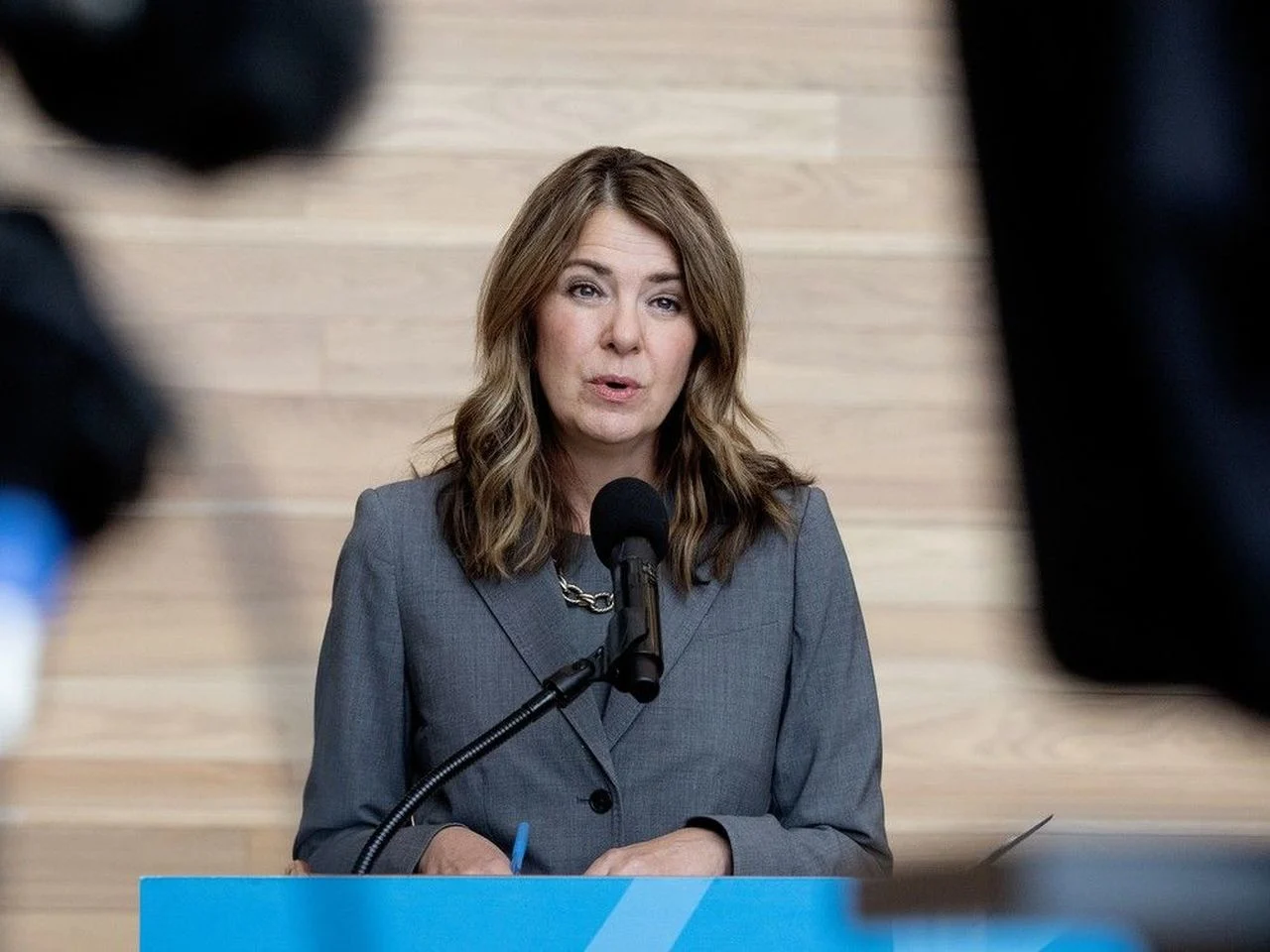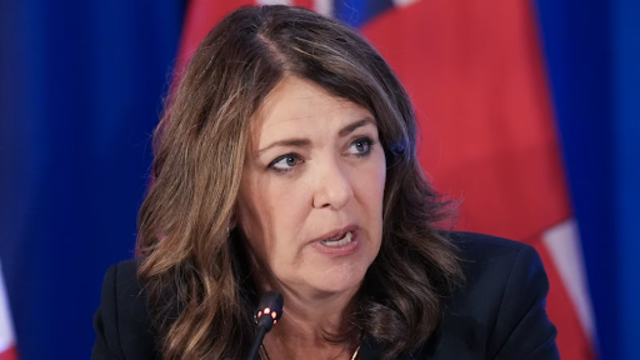
Alberta Premier Danielle Smith speaks to reporters during the 2025 summer meeting of Canada’s premiers at Deerhurst Resort in Huntsville, Ontario, on Wednesday, July 23, 2025. The Canadian Press
Premier Danielle Smith plans to invoke the Charter’s notwithstanding clause to protect three provincial laws that impact transgender people. A leaked government memo, dated September 10, outlines her directive to prepare for this move in the upcoming fall session.
The memo, written by Deputy Justice Minister Malcolm Lavoie, calls the plan “highly sensitive” and urges departments to handle it with “utmost confidentiality.”
Laws under review
The three laws involve rules for students changing names or pronouns in school, a ban on transgender girls in female amateur sports, and restrictions on gender-affirming health care for minors.
Smith’s office wants the laws changed to clearly operate “notwithstanding” the Canadian Charter of Rights and Freedoms and the Alberta Bill of Rights. The memo says cabinet will review the proposal on October 21. The legislature resumes two days later.
Statement from justice department
Justice spokesperson Heather Jenkins gave a brief statement when asked about the memo.
“Alberta’s government will continue to vigorously protect the safety and well-being of children using all available legal and constitutional means at our disposal, including the notwithstanding clause should our government deem it necessary,” she wrote.
Opposition from LGBTQ+ groups
Two major LGBTQ+ advocacy groups, Egale and Skipping Stone, are already challenging parts of the legislation in court. They say the laws are harmful and violate basic rights.
Helen Kennedy, head of Egale Canada, called the planned use of the clause “a horrific example of state-sponsored transphobia.”
She warned it’s not just a threat to LGBTQ+ people but a serious step back for all Canadians.
What the laws do
- The school law requires students under 16 to get parental consent to change names or pronouns. Students aged 16 or 17 don’t need permission, but schools must still notify parents. This law took effect at the start of the current school year.
- The health law blocks doctors from offering puberty blockers or hormone therapy to youth under 16. A court paused this law with an injunction in June. Alberta appealed that ruling in August.
- The sports law bans transgender athletes aged 12 and up from playing in girls’ amateur sports. Some schools have asked parents to confirm students’ sex assigned at birth to ensure compliance.
Earlier this week, Smith told Sport Minister Andriy Boitchenko to enforce the sports law using every legal and constitutional tool available.
Use of clause growing in Canada
Alberta isn’t the only province using the clause. Saskatchewan did the same in 2023 to support its own school pronoun law, which is also facing legal challenges. A court recently ruled that while the clause prevents the law from being overturned, judges can still say whether it violates rights.
Alberta has also backed Quebec’s secularism law at the Supreme Court. That law bans public workers in authority from wearing religious symbols. In its filing, Alberta defended the clause as a key part of Canada’s constitutional framework.
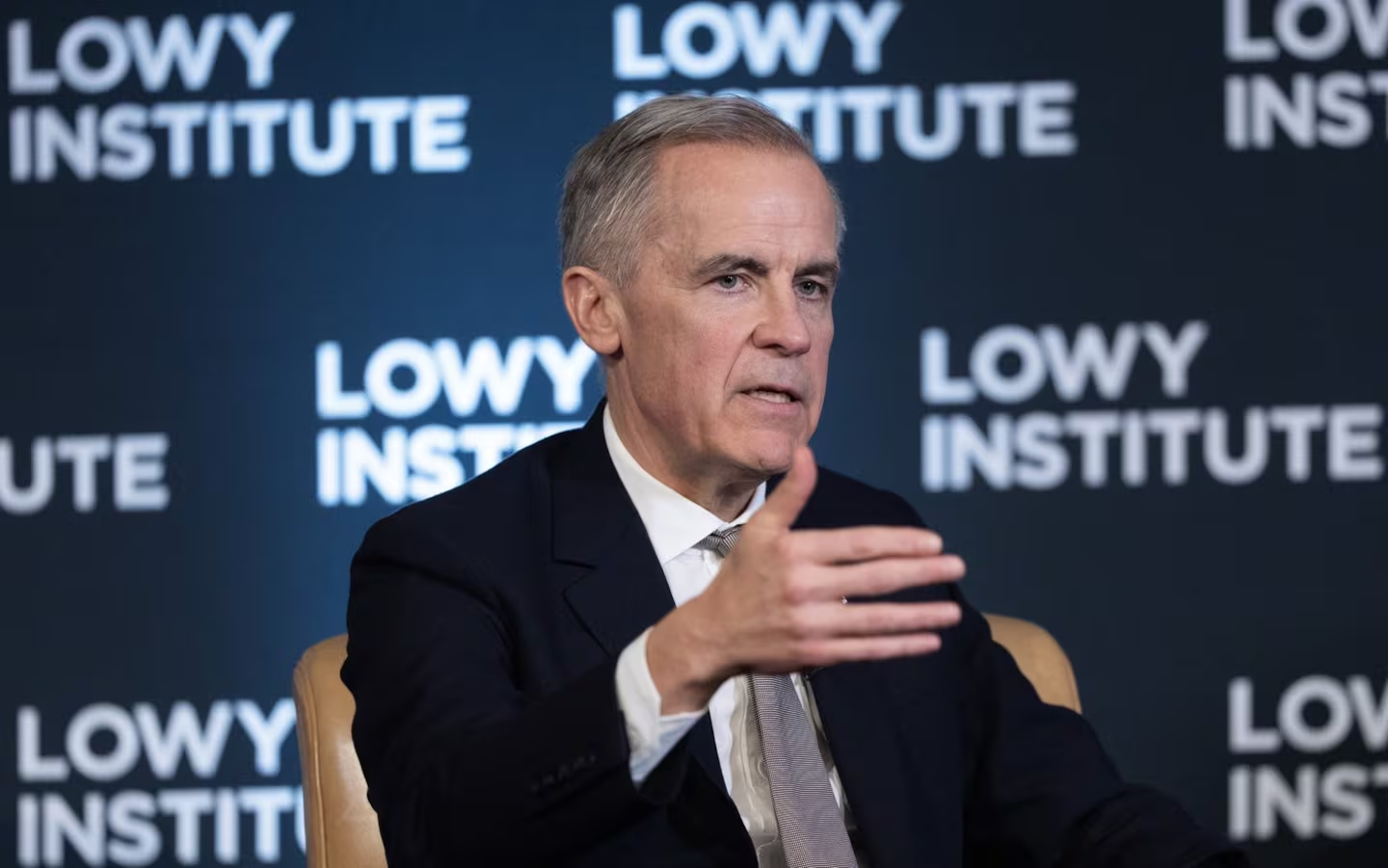
Prime Minister Mark Carney said he opposes using the clause before courts can weigh in.