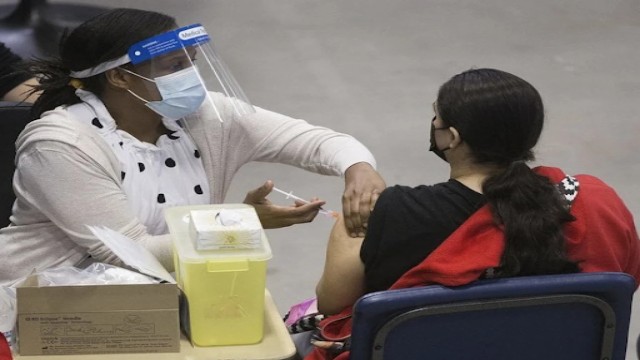
A nurse delivers a COVID-19 vaccination shot at the First Nations Vaccination Clinic at the River Cree Resort and Casino, near Edmonton Tuesday April 13, 2021. Photo: Postmedia
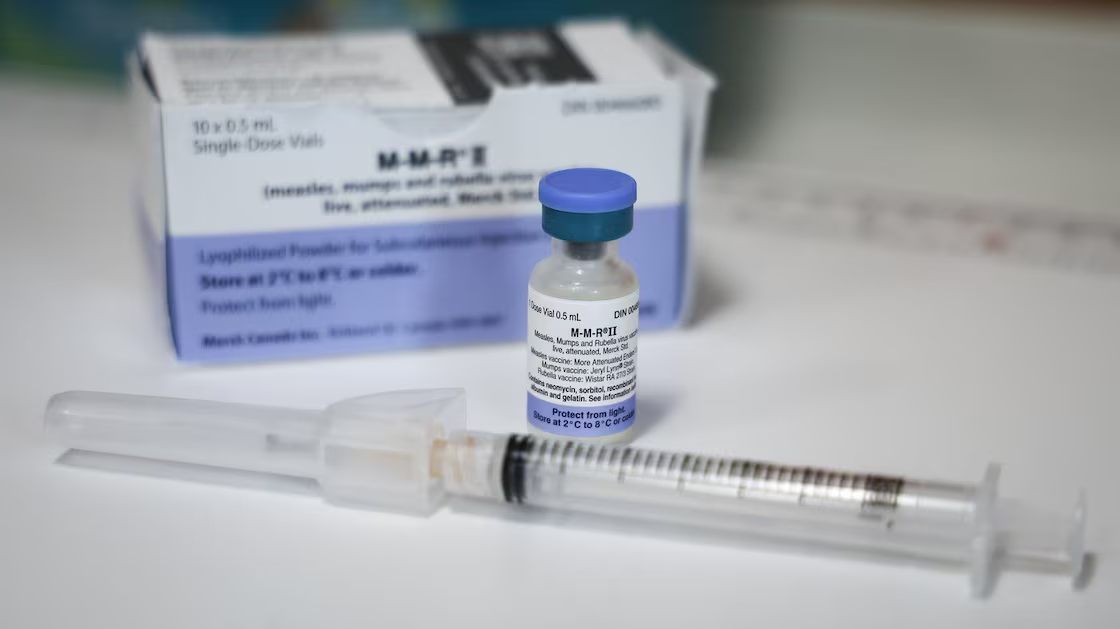
Albertans can now pre-order COVID-19 vaccines for the fall season following a major policy change. The provincial government has shifted to a paid model for most residents, though exact costs remain unconfirmed. Estimates suggest the price will exceed $100 per dose for the majority of people.
Premier Danielle Smith’s government made the change in June, aiming to reduce vaccine waste and recover public spending. Provinces took over vaccine procurement from federal authorities in April, marking a shift in how doses are acquired and distributed.
Premier Defends Paid Model
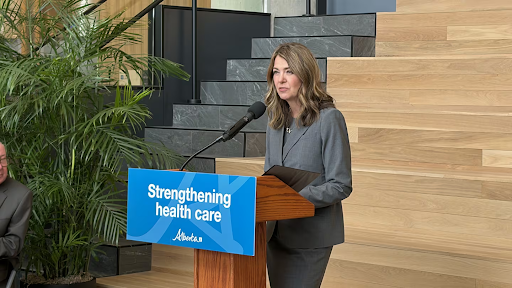
Speaking to CTV News Channel, Smith argued the approach mirrors existing practices for other vaccines like RSV, yellow fever, and shingles. She stressed that high-risk groups, such as immunocompromised individuals and residents in seniors’ care, will receive free access and priority.
“We want to ensure those most at risk get it for free, get it first,” Smith said. “Others can choose to purchase it as an extra layer of protection.”
She cited low uptake last year — just 13% of Alberta’s population — as a reason for the shift, noting $135 million was lost due to wasted doses.
Critics Question Policy and Messaging
The decision has faced strong criticism from public health experts and political opponents. Critics warn that charging for vaccines could create barriers, reduce uptake, and lead to higher long-term health costs from hospitalizations and severe complications.
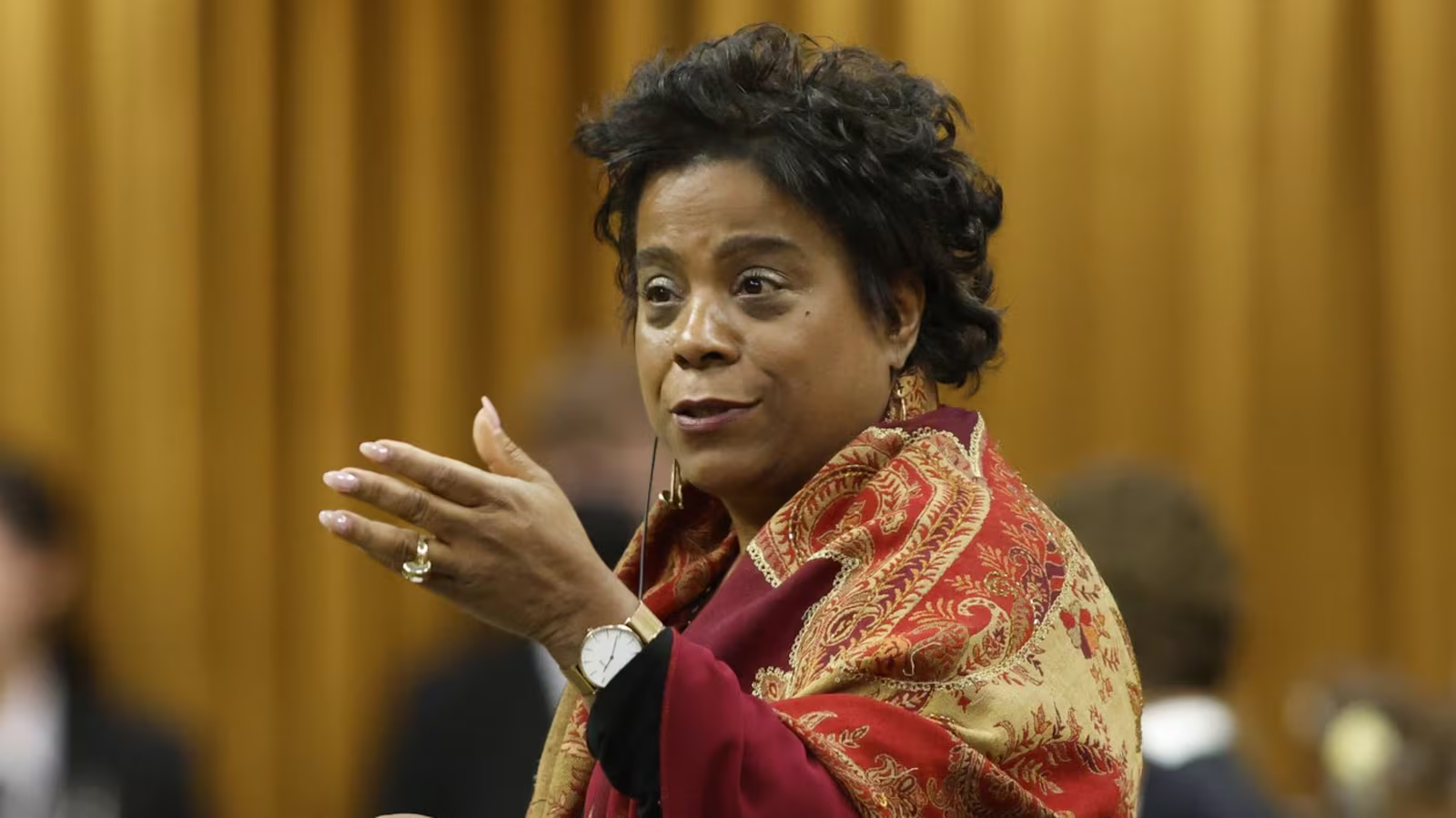
Dr. Luanne Metz, Alberta NDP health critic, accused Smith of promoting misinformation by downplaying vaccine efficacy. “It doesn’t completely prevent illness, but it reduces severity, workplace absenteeism, hospitalizations, and deaths,” Metz said. She called the move “a very bad economic decision” that panders to anti-vaccination sentiments.
Supply, Cost, and Access Changes
The province has ordered just under 500,000 COVID-19 doses for the fall — about one-third of last year’s order — at a cost of roughly $49 million. Local pharmacies will no longer stock the shots. Instead, vaccinations will be administered exclusively at public health clinics.
Routine influenza vaccines will remain publicly funded and can be booked online starting September 30.
Unlike recommendations from the National Advisory Committee on Immunization, Alberta will not prioritize health-care workers for free COVID-19 shots, despite their higher exposure risk.
Government’s Rationale
Smith maintains that the change is a practical response to declining public demand. She emphasized that many Albertans have already chosen to skip the shot, and the province cannot justify purchasing large quantities that will go unused.
Maddison McKee, spokesperson for Primary and Preventative Health Services Minister Adriana LaGrange, described the strategy as “responsible” and “targeted.” She said the fall immunization plan is nearly finalized, with details — including vaccination schedules, clinic locations, and administrative fees — to be announced soon.
What Albertans Need to Know
Anyone interested in receiving the vaccine must first pre-order, then book an appointment at a public health clinic. While high-risk groups will receive it at no cost, most Albertans should expect to pay over $100.
The policy marks a significant shift in Alberta’s COVID-19 response, sparking debate over public health priorities, fiscal responsibility, and access to preventive care.