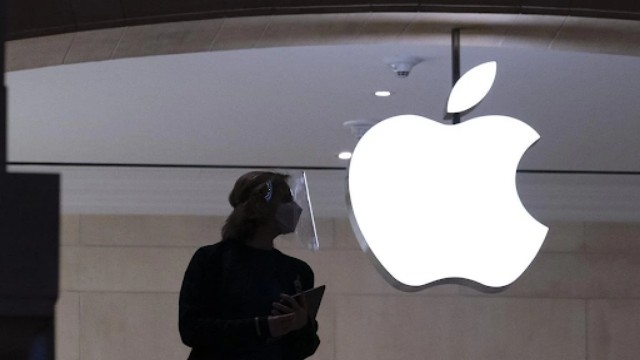
An Apple Store staff member is seen inside a New York store. (Photo: Mark Lennihan, AP)
Apple has bounced back stronger than expected, posting impressive earnings despite facing serious challenges—from U.S. trade tariffs to falling behind in artificial intelligence development. But while the company is still turning a profit, there are warning signs that the road ahead might not be as smooth, especially for iPhone buyers.
Apple’s Spring Quarter in Numbers
Between April and June, Apple earned $23.4 billion in profit, up 9% from the previous year. Its total revenue also rose 10%, reaching $94 billion. A major reason? Strong iPhone sales, which grew by 13% to hit $44.6 billion. Apple’s business in China, which had been slowing down, also improved with a 4% revenue increase.
These better-than-expected figures helped Apple’s stock climb by 3% in after-hours trading. Investors had been concerned about Apple’s recent slump, especially compared to rivals like Nvidia and Microsoft, which are dominating the AI race.
Trade War Wounds: The Tariff Cost
Apple isn’t escaping the effects of the U.S.-China trade war. The company revealed that tariffs have already cost it $800 million in the past quarter alone, with an additional $1.1 billion hit expected between July and September. Although many Apple components are still temporarily protected from tariffs, these costs are adding up fast.
CEO Tim Cook acknowledged the financial toll but noted that things could have been worse. Apple’s products continue to benefit from temporary exemptions, allowing the company some breathing space.
Production Shifts and Consumer Response
To dodge the China tariffs, Apple began shifting some of its iPhone manufacturing to India. But there's another hurdle: the U.S. government now plans to place a 25% tariff on Indian goods too. This new move could force Apple to raise prices for its next iPhone models, likely to be announced in September.
Interestingly, fear of future price hikes has already pushed U.S. consumers to rush out and buy iPhones and Macs earlier this year. According to Apple, this sales surge added around $82 million to their revenue. Additionally, more users are now upgrading to newer models, helping Apple hit a major milestone—its 3 billionth iPhone sold since 2007.
President Trump has continued to pressure Apple to move all manufacturing to the U.S.—a shift experts say could double or even triple the price of an iPhone. While Cook didn’t comment on that directly, he did share that Apple is investing more in chip production within the United States to soften the tariff impact.
Apple's AI Progress: Still Playing Catch-Up
Despite rolling out AI-based features last year, Apple hasn’t lived up to the hype—especially when it comes to improving Siri, its virtual assistant. The slow rollout has affected the company’s ability to compete in the fast-growing AI space, where companies like Nvidia and Microsoft are soaring.
Analyst Thomas Monteiro pointed out that while Apple’s latest results give it some breathing room, investors and customers remain focused on real AI progress—and Apple still has work to do.