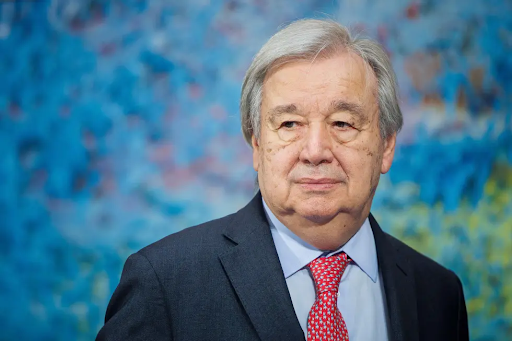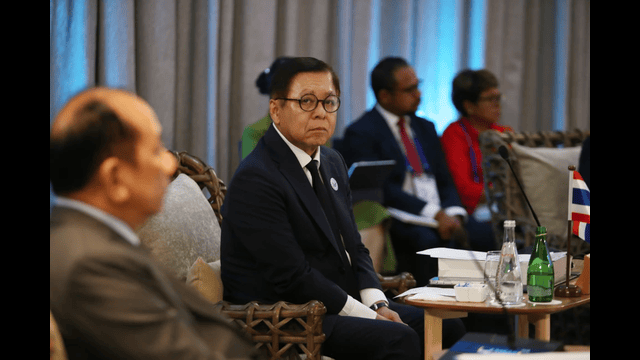
Thai Foreign Minister Sihasak Phuangketeow, centre, attends the Association of Southeast Asian Nations Foreign Ministers’ Retreat in Cebu, Philippines, Thursday, Jan 29, 2026.
Five years after its launch, the ASEAN Myanmar peace plan has failed to stop bloodshed.
Yet Southeast Asian leaders are unwilling to abandon it.
They believe it may still guide engagement with Myanmar’s next government.
Violence has consumed Myanmar since the military seized power in February 2021.
The coup removed Aung San Suu Kyi’s elected administration.
It triggered mass protests and a brutal crackdown nationwide.
The conflict has since grown into a full-scale civil war.
It remains one of ASEAN’s most serious regional challenges.
The crisis has also tested the bloc’s credibility and unity.
Thailand Acknowledges the Plan’s Failure
Thailand’s top diplomat admitted the reality on Friday.
Foreign Minister Sihasak Phuangketkeow said the peace plan has not worked.
The ASEAN Myanmar peace plan failed to halt violence, he said plainly.
However, Sihasak argued it still has value.
He said it could support talks with Myanmar’s future leaders.
Recently held elections may provide a fresh opening.
“We don’t seek to isolate Myanmar,” Sihasak said.
“Our goal is to bring Myanmar back to the ASEAN family.”
What the ASEAN Myanmar Peace Plan Promised
ASEAN leaders adopted the five-point consensus in April 2021.
The plan called for an immediate end to violence.
It also demanded dialogue among all political parties.
A special ASEAN envoy was tasked with facilitating talks.
Humanitarian aid was to reach civilians in need.
These commitments formed the core of the ASEAN Myanmar peace plan.
Myanmar’s military rulers have only partially complied.
They allowed limited aid deliveries under strict conditions.
Other key promises remain unfulfilled.
Conditions for Re-Engagement With Myanmar
ASEAN has restricted Myanmar’s political representation since the coup.
Only non-political delegates may attend major meetings.
That policy could change under certain conditions.
Sihasak said de-escalation would be the first benchmark.
He stressed protecting civilians as a priority.
Airstrikes and attacks on non-combatants must stop.
“These are the benchmarks for us,” he said.
Progress could lead to gradual re-engagement.
Restrictions may then be eased.
ASEAN Reaffirms Its Strategy
ASEAN foreign ministers met Thursday in Cebu, Philippines.
It was their first major meeting of the year.
The outcome showed rare consensus.
Ministers agreed to stick with the ASEAN Myanmar peace plan.
They reaffirmed it as the foundation for collective action.
No alternative framework was proposed.
The Philippines currently chairs ASEAN.
Its foreign secretary, Theresa Lazaro, clarified the bloc’s position.
ASEAN has not recognized Myanmar’s recent elections.
Elections Raise Questions, Not Endorsement
Myanmar held elections between December and January.
Unofficial results favor the pro-military party.
The army also retains guaranteed parliamentary seats.
Together, this ensures continued military control.
ASEAN has not endorsed the election process.
Lazaro said the bloc rejected all three election phases.
Critics argue the vote lacked legitimacy.
Opposition leaders were jailed or excluded.
The National League for Democracy was dissolved in 2023.
The party had won a landslide victory in 2020.
It refused to register under military-imposed rules.
That refusal sealed its fate.
A Humanitarian Appeal for Suu Kyi
Sihasak also raised Suu Kyi’s condition during recent talks.
He proposed moving her to house arrest.
The aim is improved access to medical care.
Suu Kyi is 80 years old.
She is serving a 27-year prison sentence.
The charges are widely seen as politically motivated.
She remains isolated in detention.
Reports say she has not seen lawyers since 2022.
ASEAN views relief as a humanitarian gesture.
An Imperfect Path Forward
The ASEAN Myanmar peace plan shows clear limitations.
Yet leaders see no better alternative.
They believe engagement still beats isolation.
For ASEAN, patience remains the chosen strategy.
Whether Myanmar responds remains uncertain.
The region continues to watch, and wait.