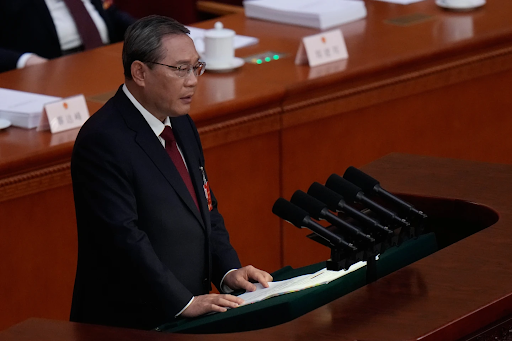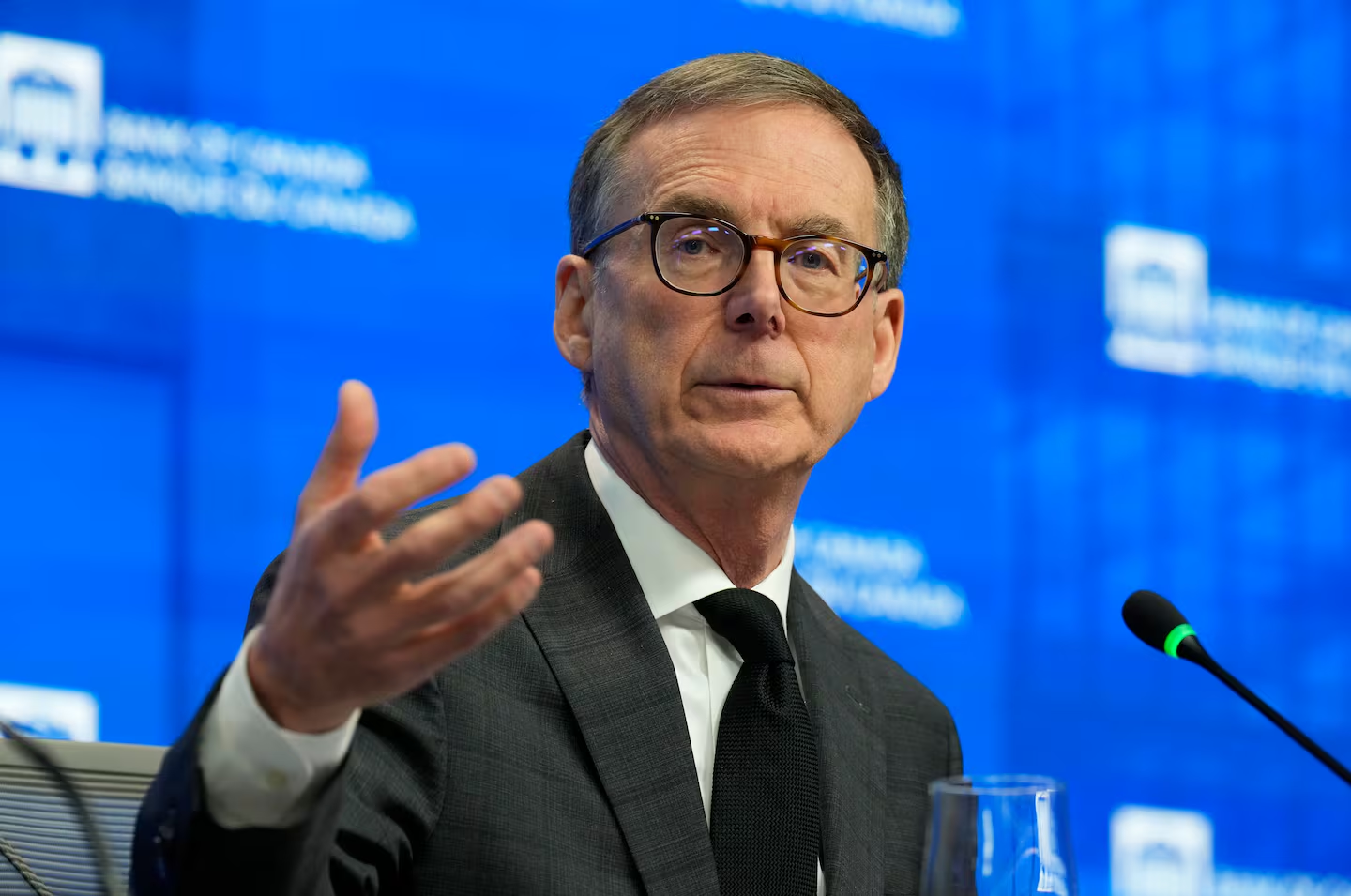
Bank of Canada Governor Tiff Macklem is seen during a news conference in Ottawa on Wednesday, Jan. 28, 2026.
The Bank of Canada opened the year with caution. It chose stability over change.
At its first policy meeting of 2026, the central bank kept its key interest rate unchanged.
The decision comes as trade risks and geopolitical uncertainty intensify.
The policy rate remains at 2.25 percent, matching market expectations.
However, the message behind the decision was far from routine.
Rate Hold Reflects Fragile Balance
Bank of Canada Governor Tiff Macklem said economic conditions remain broadly aligned with projections.
The central bank paused its easing cycle in December.
Since then, growth and inflation trends have behaved as expected.
Still, Macklem stressed that uncertainty is “unusually high.”
He said the current Bank of Canada interest rate is appropriate for now.
But predicting the next move has become difficult.
“The timing and direction of the next rate change are unclear,” Macklem noted.
U.S. Policy Volatility Raises Alarm
A major concern lies south of the border.
Macklem pointed to growing unpredictability in U.S. economic and trade policy.
He cited recent threats targeting Canada.
Over the weekend, U.S. President Donald Trump warned of 100 percent tariffs.
The threat applies if Canada deepens trade ties with China.
Such statements add pressure to an already fragile outlook.
CUSMA Review Becomes Central Risk
Another major cloud is the upcoming CUSMA review.
Canada, the U.S., and Mexico will revisit the trade pact in July.
The Bank of Canada’s latest monetary policy report outlines several outcomes.
The agreement could be extended, renegotiated, or scrapped entirely.
CUSMA-compliant goods currently avoid blanket U.S. tariffs.
That exemption is crucial for Canadian exporters.
The central bank warned that losing this protection would weaken growth.
Macklem called the CUSMA outcome an “important risk” to forecasts.
Central Bank Independence Also in Focus
The Bank of Canada is also watching developments at the U.S. Federal Reserve.
Concerns have grown about political pressure on the Fed.
Earlier this month, the U.S. Justice Department launched a criminal probe.
The investigation targets the American central bank.
Macklem said any erosion of Fed independence matters globally.
The Fed plays a key role in financial and price stability worldwide.
The U.S. Federal Reserve also held rates steady on Wednesday.
Growth Slows After Strong Quarter
Canada’s economic momentum has softened.
After strong growth in the third quarter, activity stalled late last year.
The Bank of Canada expects GDP to have flatlined in the final quarter of 2025.
Export swings and tariff-related adjustments drove volatility.
Annual GDP growth likely averaged 1.7 percent in 2025.
Looking ahead, growth is expected to slow.
Under current tariff conditions, growth may reach 1.1 percent in 2026.
It could improve modestly to 1.5 percent in 2027.
Economists See Diverging Paths
Oxford Economics outlined multiple CUSMA scenarios.
Director Tony Stillo said outcomes vary sharply.
If U.S. tariffs ease, rate hikes could return next year.
He estimates a possible half-point increase.
A worst-case CUSMA collapse would trigger a recession.
That scenario could force another half-point rate cut.
Stillo warned of lasting economic damage in that case.
Inflation Outlook Remains Steady
Inflation data remains complicated.
Temporary tax measures and carbon pricing changes distort readings.
Despite this, the Bank of Canada expects inflation near two per cent.
Higher trade costs may be offset by weaker demand.
Markets see little chance of an imminent cut.
Odds of a March rate reduction sit near five per cent.
Bank Signals Wait-and-See Approach
CIBC chief economist Avery Shenfeld called the stance “firmly neutral.”
CIBC expects no rate changes in 2026.
However, Shenfeld said risks lean toward a cut.
Trade talks could become a “minefield.”
TD economist Andrew Hencic echoed that view.
He said policymakers remain data-dependent.
For now, the Bank of Canada interest rate stays on hold.
The path ahead depends on trade, politics, and global stability.