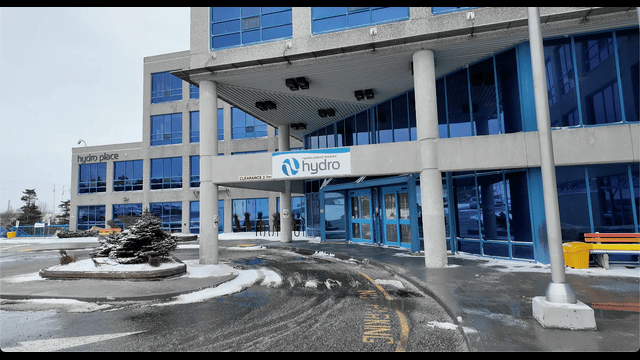
Big Tech data centers, like this one, could be temporarily disconnected during peak power emergencies to protect the grid. (Getty Images)
The rapid rise of Big Tech’s data centers is pushing U.S. electricity grids to the brink. Lawmakers are now exploring a tough solution: temporarily disconnecting these energy-hungry centers during power emergencies.
Texas is leading the charge. After the deadly winter storm of 2021, which left dozens dead, the state wants to avoid another blackout. Lawmakers recently passed a bill requiring utilities to disconnect large power users during emergencies. The goal is simple: save enough electricity to keep homes and essential services running when demand peaks.
Spreading Across the U.S.
Texas isn’t alone. Similar ideas are surfacing across the 13-state mid-Atlantic grid and in other regions where data centers are multiplying faster than new power plants. This trend has accelerated since ChatGPT’s launch in late 2022, sparking a global demand for AI and other tech services.
Michael Weber, an energy professor at the University of Texas, predicts, “Data center flexibility will be expected, required, encouraged, mandated, whatever it is.” Grids simply cannot keep pace with the growing number of energy-intensive projects.
Economic Benefits vs. Energy Challenges
Data centers are economic engines, bringing jobs and investment. But they also consume massive amounts of electricity. Texas lawmakers are balancing the need to attract tech businesses with protecting residents from blackouts. Similar debates are happening in Virginia, Ohio, Pennsylvania, and other states competing for AI and digital infrastructure.
Grid operators in Texas, the Great Plains, and mid-Atlantic states warn that electricity demand will spike dramatically. Analysts say building enough power plants to keep up with these centers is unrealistic in the short term.
Big Tech Pushback
Data centers need steady electricity to operate. Many are installing backup generators, often diesel-powered, to maintain power during outages. But regulators now want some centers to rely on backup systems to relieve strain on the grid.
The Data Center Coalition urges flexibility. Not all centers can switch to backup power quickly. Dan Diorio, a coalition representative, suggests offering financial incentives to centers that voluntarily reduce power during emergencies.
PJM and Legal Concerns
PJM Interconnection, the largest U.S. grid operator, has proposed that new data centers may not receive electricity guarantees during emergencies. The proposal has raised concerns among tech companies, power plant owners, and several state governors. Critics warn it could destabilize energy markets and scare off investors.
Some advocate for a “bring your own generation” model, requiring data centers to generate part of their own power. Indiana provides a voluntary example: Google’s proposed $2 billion Fort Wayne center agreed to reduce electricity use during high-demand periods. However, critics say the lack of public details leaves questions about its effectiveness.
A Smarter Way Forward?
Taking data centers off the grid temporarily may reduce costs for regular ratepayers, as electricity is most expensive during peak periods. Abe Silverman, an energy researcher at Johns Hopkins University, notes that this could prevent the need to build multiple new power plants just to serve a few hours of high data center demand each year.
“Is it worth building 10 new power plants just to serve data centers for five hours a year? Or is there a better way?” Silverman asks.
As Big Tech grows, states and grid operators face a tough balancing act: supporting innovation while keeping the lights on. Temporary power cuts for data centers may be the bold new tool shaping the future of U.S. energy.