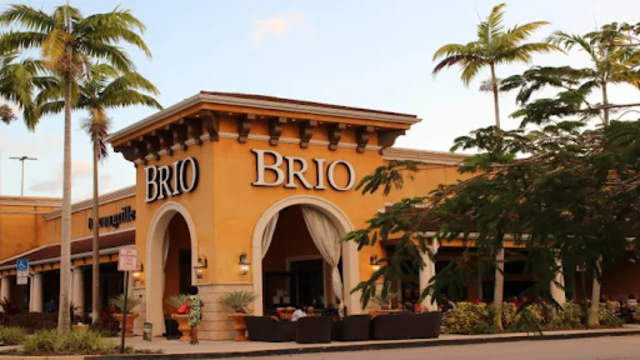
Brio Italian Grille has filed for Chapter 11 bankruptcy protection. Shutterstock
The Italian casual dining sector has seen both success and struggle in recent years. While some restaurants grew their sales, others faced financial problems. Olive Garden led the industry in systemwide sales from 2018 until 2024, when Texas Roadhouse overtook it.
Texas Roadhouse Tops Sales
Texas Roadhouse reported a 14.7% sales increase in 2024, reaching $5.5 billion. Olive Garden’s sales grew only 0.8% to $5.2 billion, according to research from Technomic.
Rising Costs Hurt Many Chains
Despite strong sales for Olive Garden, other Italian chains struggled. Many faced rising labor and food costs due to inflation. Consumers cut back on dining out, reducing foot traffic. Expensive lease agreements also hurt profitability.
Recent Bankruptcies in Italian Dining
Several Italian restaurant chains filed for bankruptcy over the past two years:
- EYM Pizza L.P., July 2024
- Buca di Beppo, August 2024
- People First Pizza Inc., March 2025
- Bertucci’s, April 2025
- Red Door Pizza LLC, July 2025
- Bravo Brio Restaurants LLC, August 2025
Bravo Brio Files Chapter 11
Bravo Brio Restaurants LLC, owner of Brio Italian Grille and Bravo Italian Kitchen, filed Chapter 11 bankruptcy on August 18, 2025. This marks the second bankruptcy in five years. The company’s previous owner, Food First Global Restaurants, filed for Chapter 11 in April 2020, affected by the COVID-19 pandemic. Earl Enterprises, owner of Planet Hollywood, purchased the chain during that first bankruptcy.
Financial Details
Bravo Brio listed assets and liabilities between $50 million and $100 million. Its largest unsecured creditor, Sysco Corporation, is owed $1.9 million. The company has not confirmed if it has financing or agreements with creditors to restructure its debt.
Locations and Closures
The chain operates 25 Brio Italian Grille and 23 Bravo Italian Kitchen locations across the U.S. Many underperforming restaurants may close as part of restructuring.
Company Statement
Bravo Brio cited macroeconomic issues, including inflation-driven labor and food costs, for its financial troubles. Declining consumer spending and competition from fast-casual restaurants also contributed, the company said.
Earl Enterprises’ Other Challenges
Earl Enterprises owns other Italian chains affected by financial problems. Bertucci’s filed for bankruptcy in April 2025 for the third time. Buca di Beppo went bankrupt in August 2024 and was sold to its lender, Main Street Capital Corp., later that year.
Sector Trends
The Italian restaurant industry now faces mounting challenges. Rising costs, decreased consumer spending, and competition from fast-casual chains put pressure on long-standing brands. Companies must adapt to survive or restructure under bankruptcy protection.