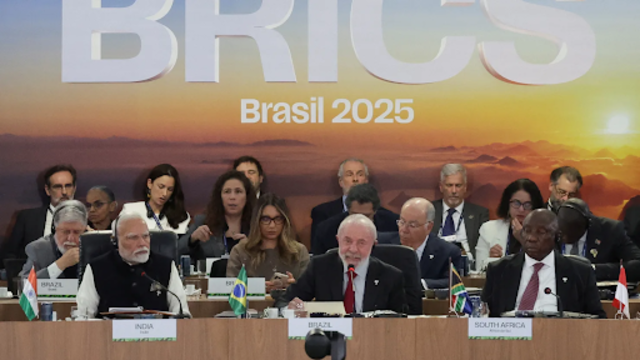
Brazil’s President Luiz Inacio Lula da Silva gives a speech at the BRICS Summit held at the Museum of Modern Art in Rio de Janeiro on July 6, 2025. Reuters
The latest BRICS summit kicked off in Brazil with major players missing. China’s Xi Jinping skipped it for the first time since 2012. Russian President Vladimir Putin joined via video, avoiding travel due to an international arrest warrant over the Ukraine conflict.
Despite their absence, the summit moved forward, tackling global issues like tariffs, the Israel-Iran conflict, and trade.
Condemnation Without Names
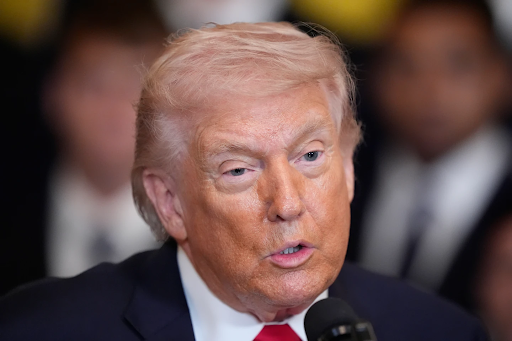
BRICS leaders criticized rising tariffs that hurt trade and global supply chains. Though they didn’t name the U.S. directly, the message pointed clearly at President Trump’s recent moves.
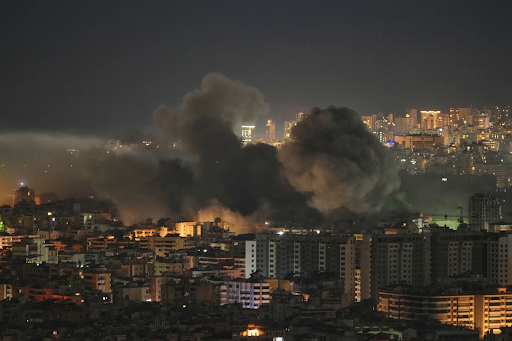
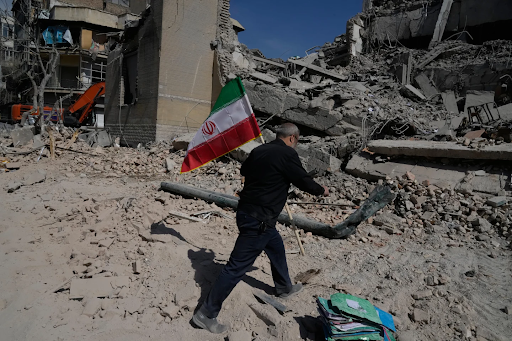
The group also condemned attacks on Iran, again avoiding direct mention of the U.S. or Israel. Iran’s foreign minister, who replaced President Masoud Pezeshkian at the summit, urged members to stand against Israel and the U.S. over human rights violations.
Focus on Gaza and Peace
Leaders voiced strong concern about the crisis in Gaza. They called for all hostages to be released and peace talks to resume. They also supported the two-state solution, although Iran later said such a plan had failed in the past and would not work now.
Russia Stays Untouched
The BRICS declaration made no criticism of Russia. Ukraine appeared just once in the 31-page document, which instead condemned recent Ukrainian attacks on Russia. Analysts pointed out this shows the group’s divided stance and struggle to present a unified voice.
Brazil Balances Carefully
Host country Brazil took a cautious approach. President Lula da Silva criticized NATO’s military spending increases and pushed for peace over conflict. Still, Brazil avoided topics that might provoke Trump or lead to more tariffs.
Brazil focused instead on safer topics like trade between members and improving global health systems.
BRICS Expands but Lacks Unity
BRICS has added new members like Indonesia, Iran, Egypt, Ethiopia, and the UAE. Ten partner countries like Cuba, Vietnam, and Belarus are also part of the group. This rapid growth made it harder to find common ground. Many key leaders, including Egypt’s president, skipped the meeting altogether.
Experts say the group still struggles to act as a solid global force. Internal differences and absent leaders make unity difficult.
Looking Ahead
Despite the challenges, experts believe BRICS remains important. With rising global tensions and Trump’s trade threats, the summit gave smaller countries a platform to explore new economic ties and reduce reliance on the U.S. dollar.
Environmental protests also took place outside the summit. Activists called out Iran’s stance on LGBTQ+ rights and Brazil’s offshore oil drilling plans. President Lula used the summit to strengthen his environmental position ahead of climate talks later this year.