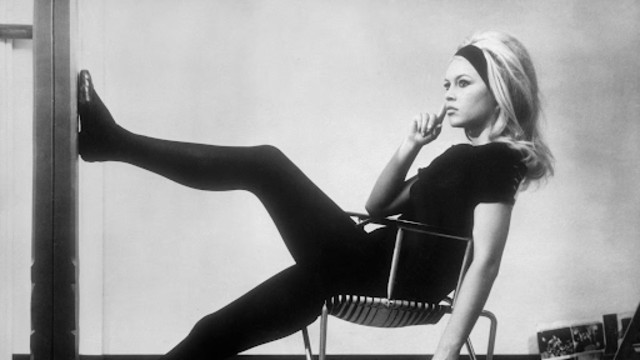
Bardot trained as a ballerina as a child before becoming an actor. Her fashion choices retained a dancer-like whimsy, particularly in her penchant for ballet flats, tights and capri pants. (Getty Images via CNN Newsource)
Brigitte Bardot, one of France’s most recognisable cultural icons, has died at the age of 91. Her foundation confirmed her death on Sunday, marking the end of a life that reshaped cinema, fashion, celebrity culture, and later, animal rights activism. Loved, criticised, and endlessly debated, Bardot leaves behind a legacy that remains deeply complicated.
A Face That Changed Modern Fame
Known simply as “B.B.” in France, Brigitte Bardot rose to global fame in the 1950s and 1960s. At a time when Hollywood censorship limited depictions of female desire, Bardot broke every rule. Her performances were sensual, unapologetic, and unsettling to moral authorities.
Films like …And God Created Woman and Jean-Luc Godard’s Contempt turned her into an international phenomenon. Life magazine once noted that women everywhere dressed, styled their hair, and dreamed of freedom like Bardot. She was not just an actress. She became a symbol.
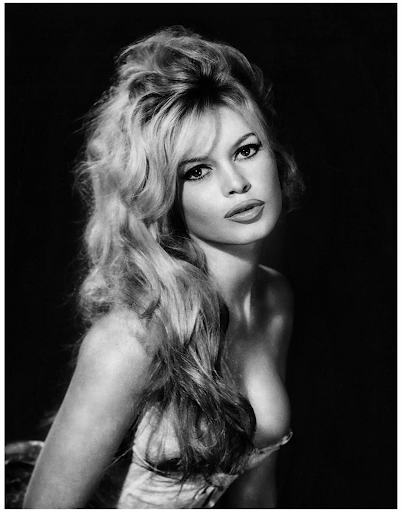
Redefining Beauty And Style
Bardot’s influence extended far beyond the screen. Her effortless fashion sense reshaped beauty ideals for decades. Tousled blond hair. Bare feet. Minimal makeup. Casual, body-hugging clothes. The look was radical for its time and still echoes today.
Designers, actresses, and models followed. Jane Fonda. Julie Christie. Kate Moss. Claudia Schiffer. Bardot’s style became shorthand for “French girl chic,” blending rebellion with ease. She made freedom look natural.
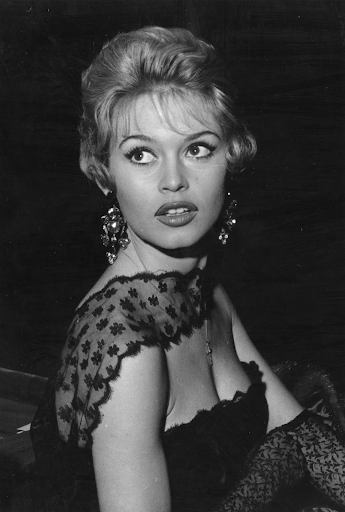
So strong was her appreciation of strapless necklines that even today, off-the-shoulder dresses are often referred to as "Bardot-style." (Getty Images via CNN Newsource)
Fame As A Gilded Prison
Behind the glamour, Bardot struggled deeply with fame. Paparazzi followed her relentlessly. Her private life became public property. Love affairs, marriages, and mental health struggles were dissected daily.
She attempted suicide multiple times during her rise to stardom. In later interviews, Bardot described fame as a “prison,” even as she stood at the peak of global attention. By her late thirties, she was exhausted by cinema.
In 1973, at just 39, she walked away from acting for good.
A Radical Shift Toward Animal Rights
After leaving film, Bardot redirected her fame toward animal welfare. She founded the Brigitte Bardot Foundation and became one of Europe’s most visible animal rights advocates.
She sold personal possessions to fund campaigns. She protested seal hunting. She spoke forcefully, and often emotionally, about cruelty toward animals. For Bardot, this cause replaced cinema entirely.
“I gave my beauty and youth to men,” she once said. “Now I give my wisdom to animals.”
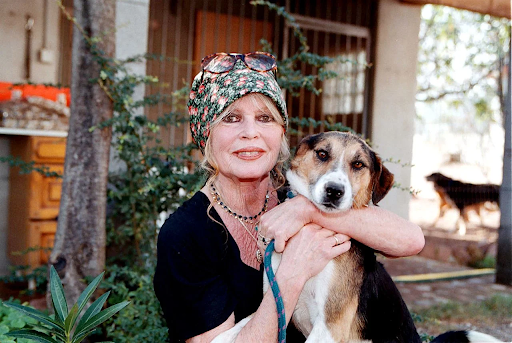
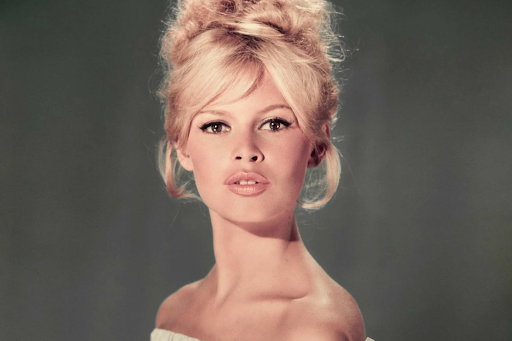
Brigitte Bardot, “And God Created Woman” Star
Controversy That Reshaped Her Image
Bardot’s later years were marked by controversy. Her outspoken criticism of Islamic animal slaughter rituals led to multiple convictions in France for inciting racial hatred. Her marriage to Bernard d’Ormale, linked to France’s far right, reinforced perceptions that she had drifted away from modern France.
Far-right leaders praised her after her death. Others strongly rejected her political views. Even so, Bardot insisted she was not political. She said her words were motivated only by animal protection.
French President Emmanuel Macron paid tribute, saying Bardot “embodied a life of freedom,” while acknowledging the contradictions that defined her public life.
Aging On Her Own Terms
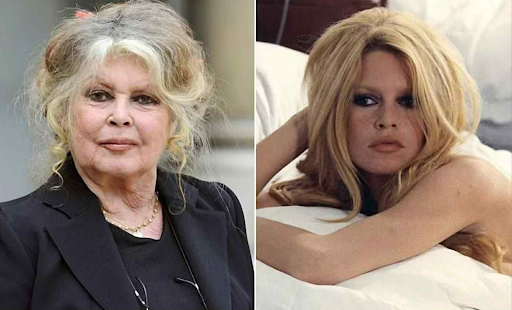
Unlike many stars of her generation, Bardot refused cosmetic surgery. She allowed herself to age naturally. Gray hair. Wrinkles. No apologies. This, too, was a form of rebellion.
She rejected the idea of returning to film. “The page has turned,” she said. “Cinema is finished for me.”
A Legacy That Refuses Simplicity
Brigitte Bardot remains impossible to summarize neatly. She was a sexual revolutionary and a deeply private woman. A feminist symbol and a polarizing voice. A fashion icon and a fierce activist.
Her impact on cinema, celebrity culture, and personal freedom is undeniable. So are the controversies that followed her.
In death, as in life, Bardot leaves behind questions as much as admiration. Her story continues to provoke, inspire, and divide — exactly as she always did.