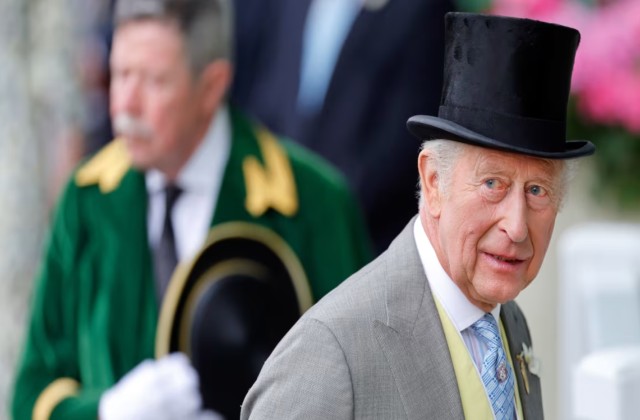
King Charles III attends day five of Royal Ascot at Ascot Racecourse, on June 21.
The British monarchy is set to receive $118.5 million in government funding this year, according to the newly released Sovereign Grant Report. This annual sum, unchanged from previous years, continues to support the royal family’s official duties, property maintenance, and staffing expenses.
What Is the Sovereign Grant?
The Sovereign Grant is the British monarchy’s annual allowance, funded by taxpayer money. It helps cover the cost of royal duties and the upkeep of historic residences. In return, the monarchy surrenders all profits from the Crown Estate to the UK government. This includes revenue from central London properties, Ascot Racecourse, and vast coastal seabeds.
The current structure of the grant dates back to an agreement in 1760. Essentially, the Crown’s profits fund the country, while the government gives a portion back to support royal responsibilities.
Breakdown of the $118 Million Royal Budget
The total Sovereign Grant of £86.3 million ($118.5 million) is split into two main parts:
Core Grant: £51.8 million ($71.1 million) for regular operations such as salaries, official travel, and palace maintenance.
Buckingham Palace Refurbishment: £34.5 million ($47.4 million) allocated for ongoing modernization efforts.
These upgrades at Buckingham Palace include improved electric wiring, plumbing, elevators, and more accessible facilities. The extensive renovations are part of a 10-year overhaul aimed at modernizing the iconic building.
A Busy Year for the Royal Family
In the past year, royal family members collectively took part in more than 1,900 public engagements across the UK and abroad.
Over 93,000 guests were welcomed to 828 official events held at royal residences.
These activities illustrate the scale and frequency of the monarchy's public involvement — a key justification for the funding.
Saying Goodbye to the Royal Train
One notable change revealed in the report is the decision to retire the royal train. After a detailed review, the household concluded the train is no longer a cost-effective or essential mode of transport.
The royal train has a long history, dating back to Queen Victoria's first journey in 1842. Its decommissioning marks a shift in how the monarchy balances tradition with fiscal responsibility.
Green Initiatives and Sustainability Goals
Environmental efforts were also highlighted in the report. The royal household plans to expand the use of sustainable aviation fuel (SAF) and continue electrifying its vehicle fleet.
Though no deadline was provided, officials reaffirmed the goal of operating an almost fully electric fleet. Meanwhile, King Charles’ two Bentleys are being converted to run on biofuels — part of his broader eco-conscious initiatives.
Critics Call for Royal Reform
Despite the transparency, not everyone is satisfied. Republic, a UK-based anti-monarchy campaign group, renewed calls for the Sovereign Grant to be scrapped.
Group spokesperson Graham Smith criticized the system, saying funding increases are tied to government land profits rather than actual royal needs. He also accused the palace of reusing the Buckingham Palace renovation as an excuse to maintain high funding levels.
Smith argued that hundreds of millions could be redirected to better public use, and that the cost of maintaining the monarchy should be reduced significantly.
Palace Defends Monarchy’s Role
Responding to ongoing debates, James Chalmers, Keeper of the Privy Purse, emphasized the intangible but significant value the monarchy brings.
“Soft power is hard to measure,” Chalmers noted. “But its importance is increasingly recognized, both at home and internationally.” He praised the royal family’s unwavering service to the nation and the Commonwealth.
Final Thoughts
As the monarchy enters a new era, questions about its value and cost continue to stir debate. While the Sovereign Grant remains steady, public scrutiny around royal spending, sustainability, and tradition is rising. Whether the monarchy adapts or faces further pressure depends on how it aligns with public expectations in the years ahead.