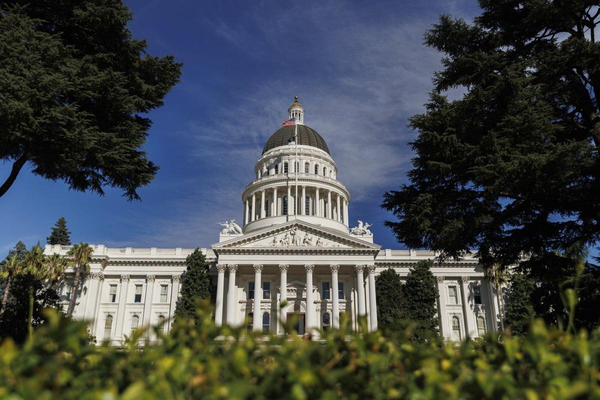
A view of the California State Capitol in Sacramento, Calif., Aug. 5, 2024. (AP Photo)
California’s new budget, signed by Governor Gavin Newsom, reflects tough choices and growing fiscal strain. Faced with a $12 billion shortfall, the state is scaling back on several progressive programs—including healthcare access for undocumented immigrants.
A Budget of Trade-Offs
On Friday, Gov. Newsom finalized a $321 billion budget deal with Democratic lawmakers. It’s the third straight year California has cut or delayed major initiatives. Still, the latest budget avoids some of the most painful reductions to essential services. Officials filled the gap using reserves, delaying payments, and borrowing from special funds.
“We’ve balanced the budget without raising taxes,” Newsom said, highlighting support for struggling Californians. But the overall plan hinges on lawmakers passing separate legislation to speed up housing construction. If they miss Monday’s deadline, the deal could fall apart.
Health Care Cuts Stir Backlash
One of the most controversial changes affects Medi-Cal, California’s low-income health program. Starting in 2026, the state will stop enrolling new undocumented adults. For those already in the program, a $30 monthly premium will be introduced in 2027—for immigrants under 60, including some with legal status.
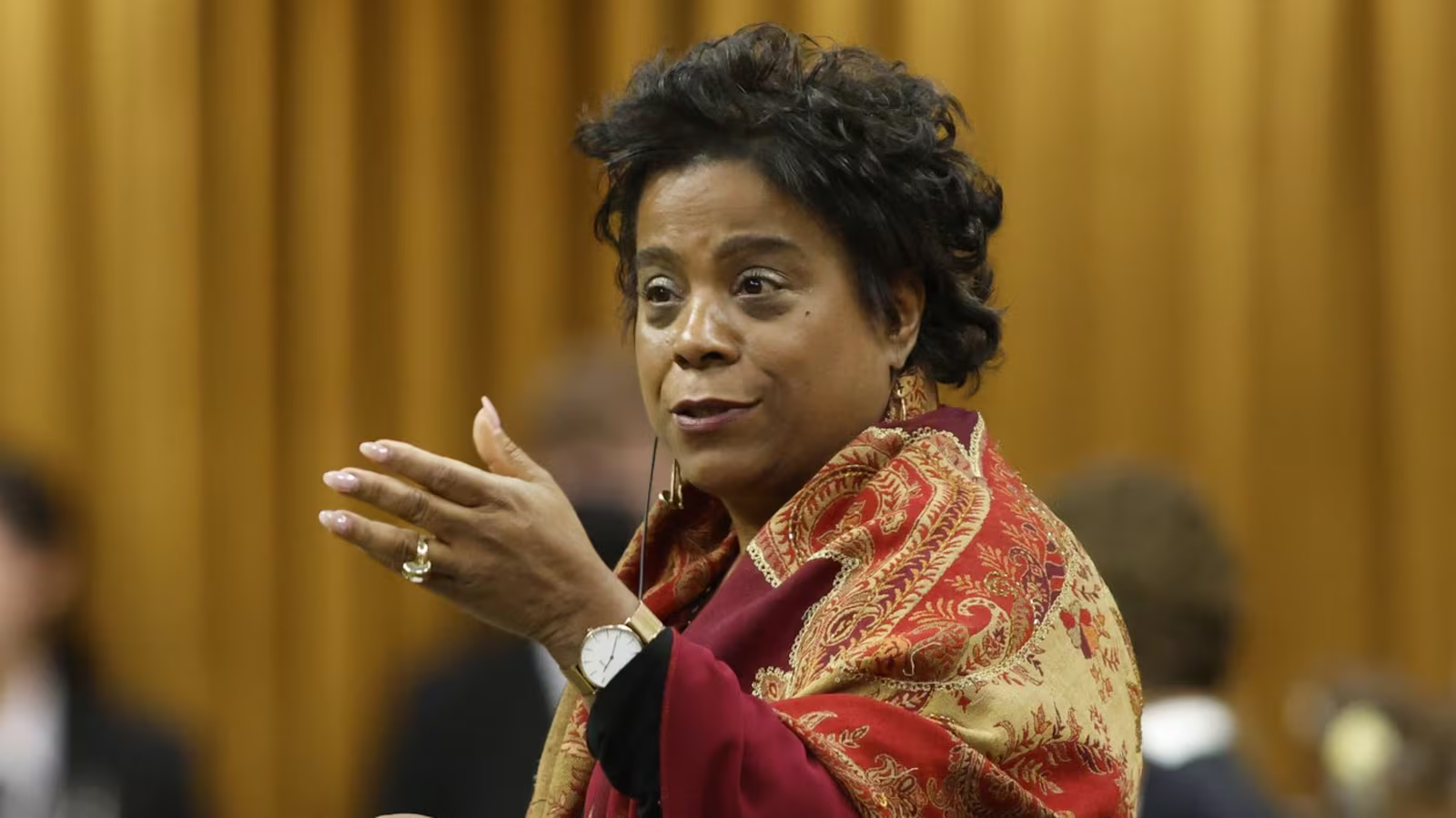
This marks a significant rollback of a historic health care expansion introduced just last year. Many see it as a setback to the state’s goal of universal care. Democratic Senator Maria Elena Durazo voted against the changes, calling them a betrayal of immigrant communities.
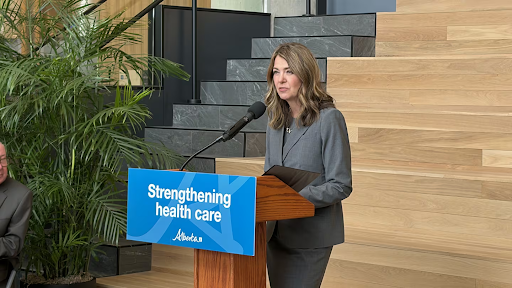
The cuts don’t end there. The deal scraps $78 million for mental health hotlines, delays coverage for fertility services, and eliminates dental care support for low-income residents by 2026.
Social Services Spared From Deep Cuts
Despite the rollback in immigrant healthcare, some vital services survived. Lawmakers preserved funding for in-home support for people with disabilities and low-income seniors. Planned Parenthood also avoided proposed budget reductions.
Firefighting and Environmental Spending
Wildfire prevention efforts received a major boost. Lawmakers approved $1 billion from the state’s cap-and-trade fund to support firefighting. Another $10 million will go toward increasing pay for incarcerated firefighters.
However, Newsom’s push to secure long-term funding for California’s high-speed rail project fell short. While the rail line continues to receive 25% of cap-and-trade funds, no new guarantees were made.
Crime and Justice Get a Funding Bump
To implement a new anti-crime measure passed by voters, the budget allocates $80 million. The law strengthens penalties for shoplifting and drug offenses and expands judge-led treatment mandates.
But experts warn this funding falls short. Full implementation may cost closer to $400 million in its first year. Still, counties will receive $50 million for behavioral health beds, while courts and probation services get smaller shares.
Big Boost for Film, But Not for Homelessness
Hollywood is set to benefit. The state’s film tax credit will more than double—from $330 million to $750 million annually—through 2030.
Meanwhile, no new funding has been allocated for homelessness. City leaders warn this could eliminate thousands of shelter beds next year.
A Budget Under Pressure
California’s economy remains uncertain. Federal policy changes and reduced tax revenue could cause even deeper deficits. Future shortfalls are projected between $17 and $24 billion per year.
Republicans criticized the plan, calling it irresponsible borrowing without real spending reform. With economic clouds looming, California’s budget challenges are far from over.