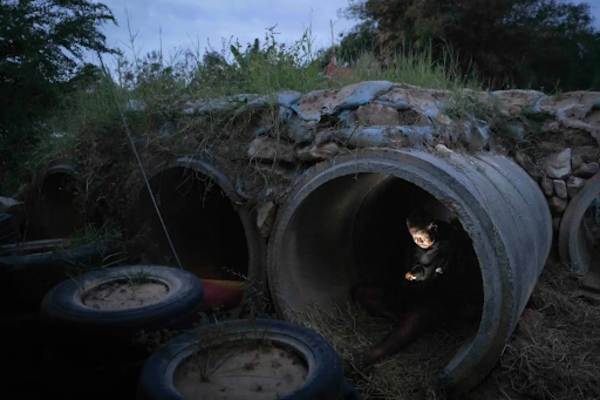
A Thai resident who fled clashes between Thai and Cambodian soldiers uses a mobile phone while taking shelter in Buriram province, Thailand. Associated Press
Fresh fighting has erupted along the Cambodia–Thailand border, forcing tens of thousands of civilians to flee their homes as tensions between the two Southeast Asian nations intensify. The renewed clashes mark the second day of heavy conflict, shattering a fragile ceasefire and raising fears of a prolonged confrontation.
Cambodia Warns of a “Fierce Fight”
Cambodia’s Senate President Hun Sen issued a strong warning on Tuesday, declaring that Cambodia would wage a “fierce fight” to defend its territory. He said his country avoided responding to Thai fire on Monday but launched counterattacks overnight after repeated Thai advances.
Hun Sen posted on Facebook and Telegram that Cambodia’s new strategy focuses on targeting areas of Thai advancement. The aim, he said, is to “weaken and destroy enemy forces through counterattacks.”
Though he stepped down as prime minister in 2023, Hun Sen remains Cambodia’s most influential political figure.
Thailand and Cambodia Exchange Accusations
Thailand reported that Cambodian forces fired artillery at a village in Sa Kaeo province early Tuesday, though no casualties were recorded. Thai officials also accused Cambodian troops of firing on their soldiers Sunday and Monday.
Cambodia, meanwhile, claims Thailand initiated the clashes and forced the country to defend itself.
“Cambodia wants peace, but Cambodia is forced to fight back to defend its territory,” Hun Sen reiterated.
The clashes follow July’s deadly conflict, which killed dozens on both sides and displaced more than 100,000 people.
Civilian Casualties and Rising Tensions
The Cambodian military reported seven civilian deaths and 20 injuries in the new wave of fighting. Thailand confirmed one soldier dead and 29 wounded, highlighting the speed at which the conflict is escalating.
Thai Rear Adm. Surasant Kongsiri announced that Thai naval forces have strengthened positions near the border to prepare for further attacks.
Thailand also confirmed conducting airstrikes on Monday, calling them defensive operations targeting Cambodian military installations. Surasant said these missions would continue “until attacks stop.”
Thousands Flee Border Villages
Civilians on both sides are fleeing the border region in large numbers. Thailand’s 2nd Army Region said almost 500 temporary shelters have been set up across four provinces, housing 125,838 evacuees. Many more are staying with relatives in safer areas.
Thailand accused Cambodia of firing rockets and drones at its positions. Cambodia reported similar attacks from Thailand and confirmed people were fleeing several Cambodian villages near the frontier.
Thai Prime Minister Anutin Charnvirakul said Thailand would defend its sovereignty and protect public safety. He emphasized that Thailand had “never initiated a fight or an invasion.”
Centuries of Tension and a Fragile Ceasefire
The Cambodia–Thailand border spans more than 800 kilometers and has long been a source of tension. July’s ceasefire—brokered by Malaysia and strongly pushed by former U.S. President Donald Trump—temporarily ended hostilities.
An October agreement called for removing heavy weapons, ending propaganda, restoring diplomatic ties, and clearing land mines. But neither country appears to have fully complied.
Both sides continued spreading disinformation and clashed in minor skirmishes after the ceasefire began breaking down.
Land Mines and Prisoners Fuel the Conflict
Two unresolved issues remain flashpoints. Cambodia says Thailand still holds 18 prisoners taken during July’s fighting. Thailand accuses Cambodia of planting new land mines, which have injured several Thai soldiers in recent weeks.
Cambodia insists the mines are remnants from its civil war, not newly deployed weapons.
Earlier this month, Thailand paused implementation of the ceasefire terms and demanded a Cambodian apology regarding the land mine accusations.
Global Concern Grows
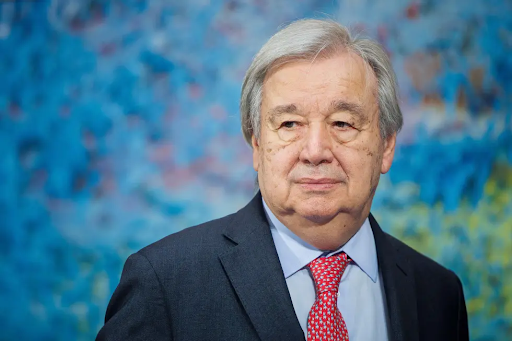
U.N. Secretary-General Antonio Guterres expressed deep concern over the escalating conflict. He warned against the use of airstrikes and heavy weaponry and urged both nations to recommit to their ceasefire obligations before the situation worsens.
As tensions heighten and civilians flee in growing numbers, the border conflict between Cambodia and Thailand risks spiraling into a prolonged and destabilizing regional crisis.