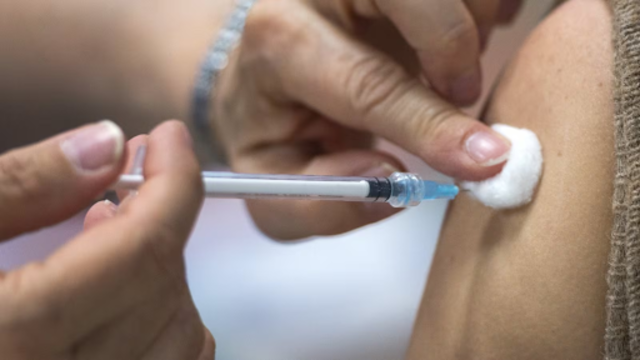
A person having the COVID-19 vaccine on Friday, April 30, 2021, in Montreal. The Canadian Press
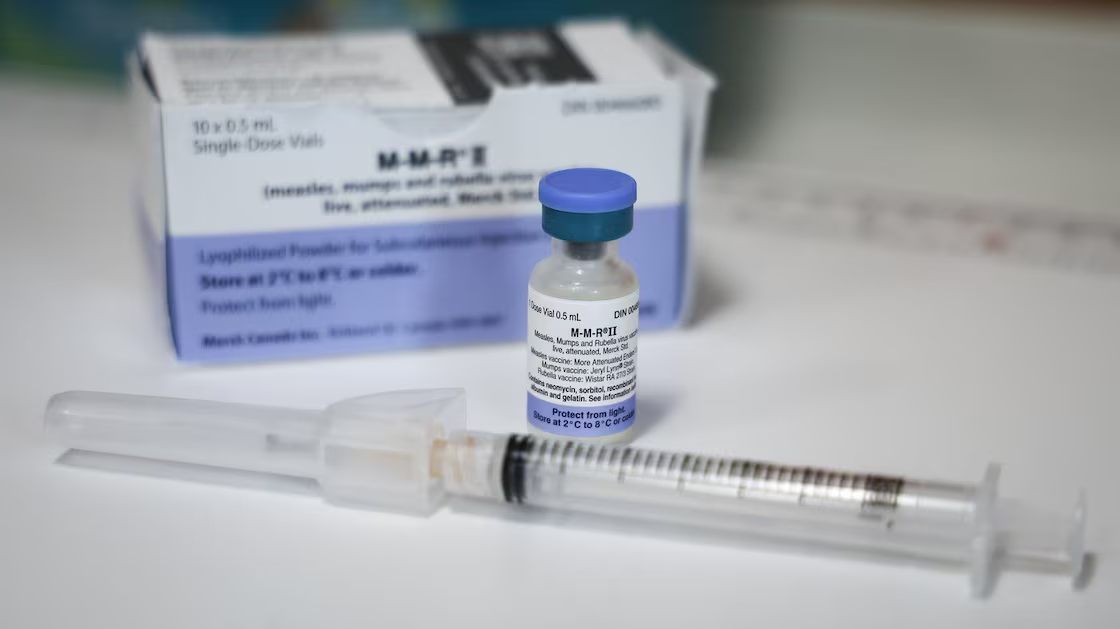
Health Canada has authorized updated COVID-19 vaccines from Pfizer-BioNTech and Moderna for use this fall. The approval comes as the country prepares for another respiratory virus season and looks to protect vulnerable groups.
The updated shots are designed to target the LP.8.1 variant, a strain linked to Omicron that the World Health Organization monitored earlier this year. Both companies confirmed the vaccines are now cleared for use in adults and children as young as six months.
Canadian Production of Moderna’s Vaccine
Moderna has announced that doses for the Canadian market will be produced in its new facility in Laval, Quebec. The syringes will then be filled and packaged in Cambridge, Ontario. This move highlights a growing effort to strengthen Canada’s domestic vaccine supply chain.
Pfizer’s updated vaccine will be distributed under the brand name Comirnaty, while Moderna’s version will continue to be known as Spikevax.
Provincial Rollout Plans
As in previous years, provinces and territories will oversee distribution and determine eligibility for free vaccination. While the federal approval provides access, it is regional health systems that will decide when and how the rollout takes place.
The National Advisory Committee on Immunization (NACI) has issued updated guidance on who should be prioritized for vaccination.
Who Should Get Vaccinated
NACI strongly recommends doses for seniors, long-term care residents, immunocompromised individuals, health-care workers, and others facing a high risk of severe illness.
For people aged 80 and above, along with long-term care residents and those six months and older who are moderately to severely immunocompromised, the committee suggests two doses per year.
Those aged 65 to 79, health-care workers, and individuals at risk of severe COVID-19 should plan for one dose annually.
Groups at Higher Risk
NACI’s recommendations also underline protection for people with underlying health conditions, those who are pregnant, and members of First Nations, Inuit, and Métis communities. The guidance further highlights racialized communities as higher-risk groups, given disparities in access and outcomes during earlier waves of the pandemic.
The goal, officials say, is to provide broad and consistent protection before infections begin to rise in colder months.
Preparing for the Season Ahead
Health Canada emphasized that the updated vaccines are part of a layered approach to protecting Canadians. The fall season typically brings spikes not only in COVID-19 but also influenza and respiratory syncytial virus (RSV). Public health experts say timely vaccination remains a critical tool in reducing hospitalizations and preventing severe outcomes.
While overall COVID-19 activity has stabilized compared to earlier years, health officials warn that the virus continues to evolve. By targeting the LP.8.1 variant, the new formulations are expected to offer better coverage than earlier shots.
Building Confidence Through Access
Officials hope that making the vaccines available across provinces, along with clear communication about eligibility, will encourage uptake. During past rollouts, vaccine fatigue and confusion over eligibility criteria affected participation, particularly among younger and healthier groups.
This time, the message is clear: those most at risk should not delay getting protected.
Looking Ahead
With updated Pfizer and Moderna vaccines now approved, Canada joins several countries preparing for a fall booster campaign. The dual production and distribution strategy — including local manufacturing in Quebec — adds an additional layer of security in ensuring supply.
As the season approaches, health-care leaders continue to urge Canadians to remain vigilant. Vaccination, they stress, remains the most effective way to reduce the impact of COVID-19 as part of broader respiratory virus preparedness.