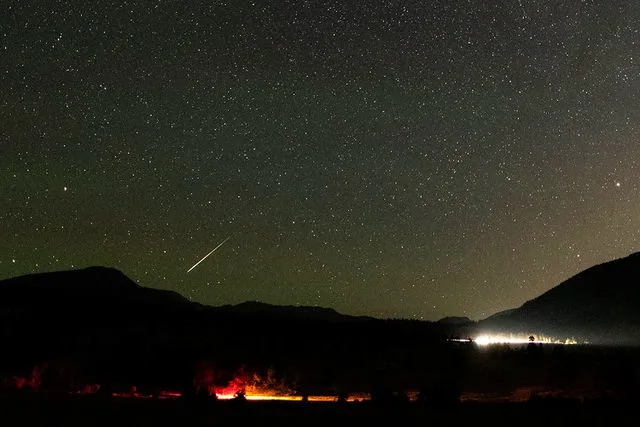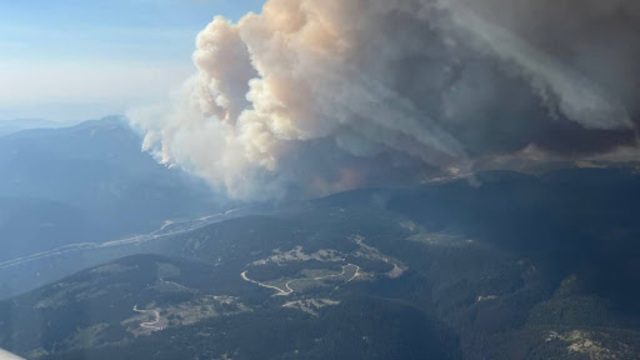
Smoke from the Mine Creek wildfire, burning between Hope and Merritt, B.C., drifts across the region in this photo taken Wednesday, Sept. 3, 2025. CTV
Environment Canada has issued new weather advisories for both western and eastern regions of the country. Wildfire smoke continues to impact several provinces in the West, while unseasonably cold temperatures in the East have triggered frost advisories.
Smoke impacts western provinces
Wildfires remain active across British Columbia, Alberta, Saskatchewan, and the Northwest Territories. Thick smoke has led to ongoing air quality advisories, with residents urged to take precautions.
The warnings affect areas including Central Okanagan and Kootenay Lake in B.C., Lethbridge and High Level in Alberta, Buffalo Narrows and Beauval in Saskatchewan, and Fort Simpson in the Northwest Territories.
Officials warn that smoke levels can shift quickly and vary widely depending on wind and fire activity. “During a wildfire, smoke conditions can change quickly over short distances and can vary considerably hour by hour,” Environment Canada said.
The agency advises people to reduce outdoor activity, close windows and doors, and limit time spent outside. Outdoor sports and events may need to be rescheduled or cancelled.
In Nova Scotia, crews continue to battle a wildfire in Annapolis County, where an air quality advisory is also in effect.
Frost grips eastern provinces
In contrast to the smoky skies in the West, a sharp drop in temperatures has brought frost warnings to parts of Ontario, Quebec, and New Brunswick.
In Ontario, the advisory affects a large area around Algonquin Provincial Park, stretching into nearby cottage country communities like Bancroft, Haliburton, and Huntsville.
In Quebec and New Brunswick, frost is expected overnight in regions such as the Gaspe Peninsula and towns including Campbellton, Grand Falls, and Woodstock.
Environment Canada is reminding residents to protect plants and crops from frost damage. Covering sensitive plants or moving them indoors where possible can reduce losses.
“Frost advisories are issued when temperatures are expected to reach the freezing mark during the growing season, leading to potential damage and destruction to plants and crops,” the agency explained.
Residents urged to stay alert
The two very different advisories show the range of weather challenges Canadians face as summer ends. In the West, air quality remains the greatest concern, while in the East, cooler weather brings the first signs of fall.
Environment Canada continues to monitor conditions and may update advisories as situations develop. Canadians are encouraged to follow local alerts and take precautions to protect both health and property.