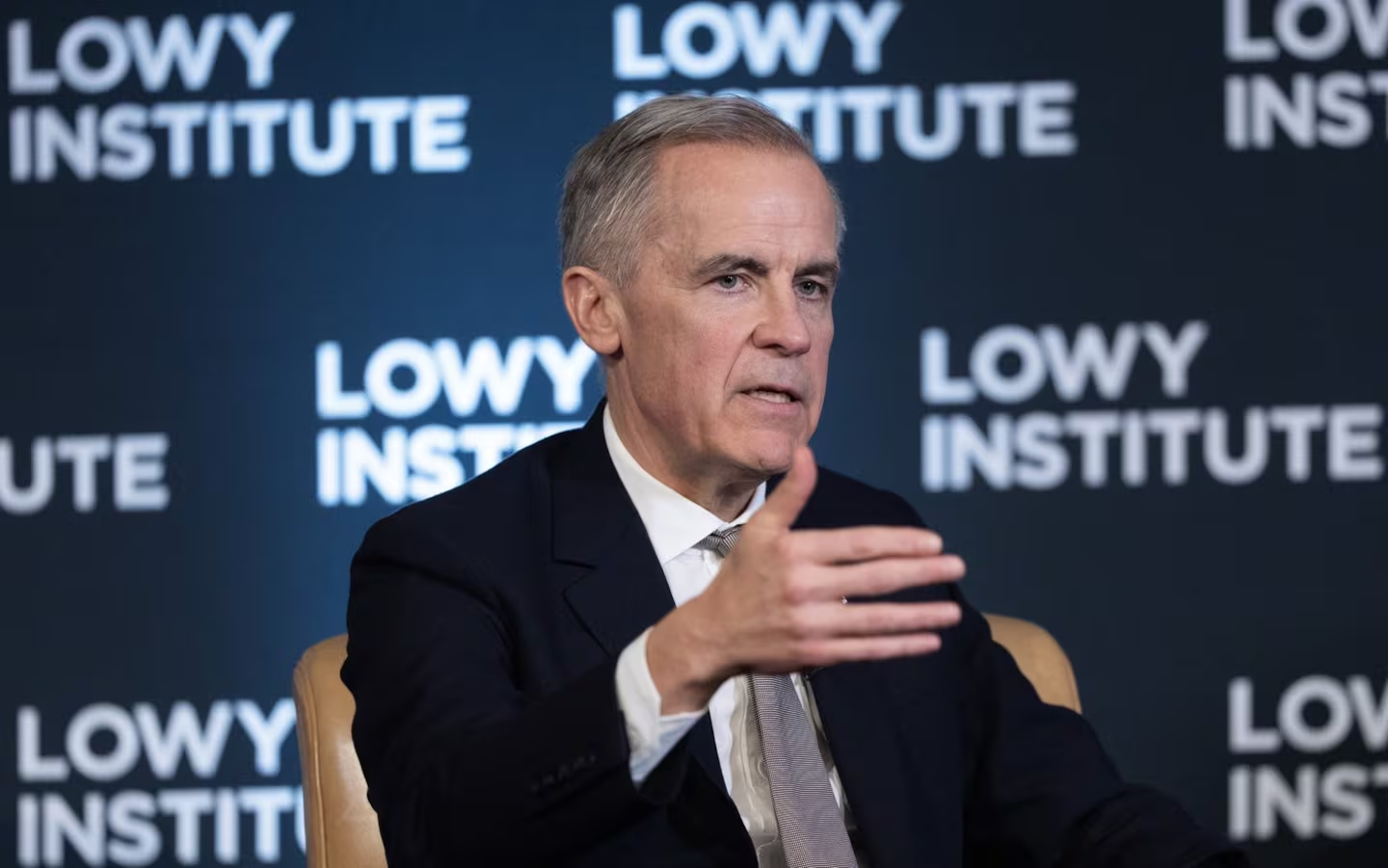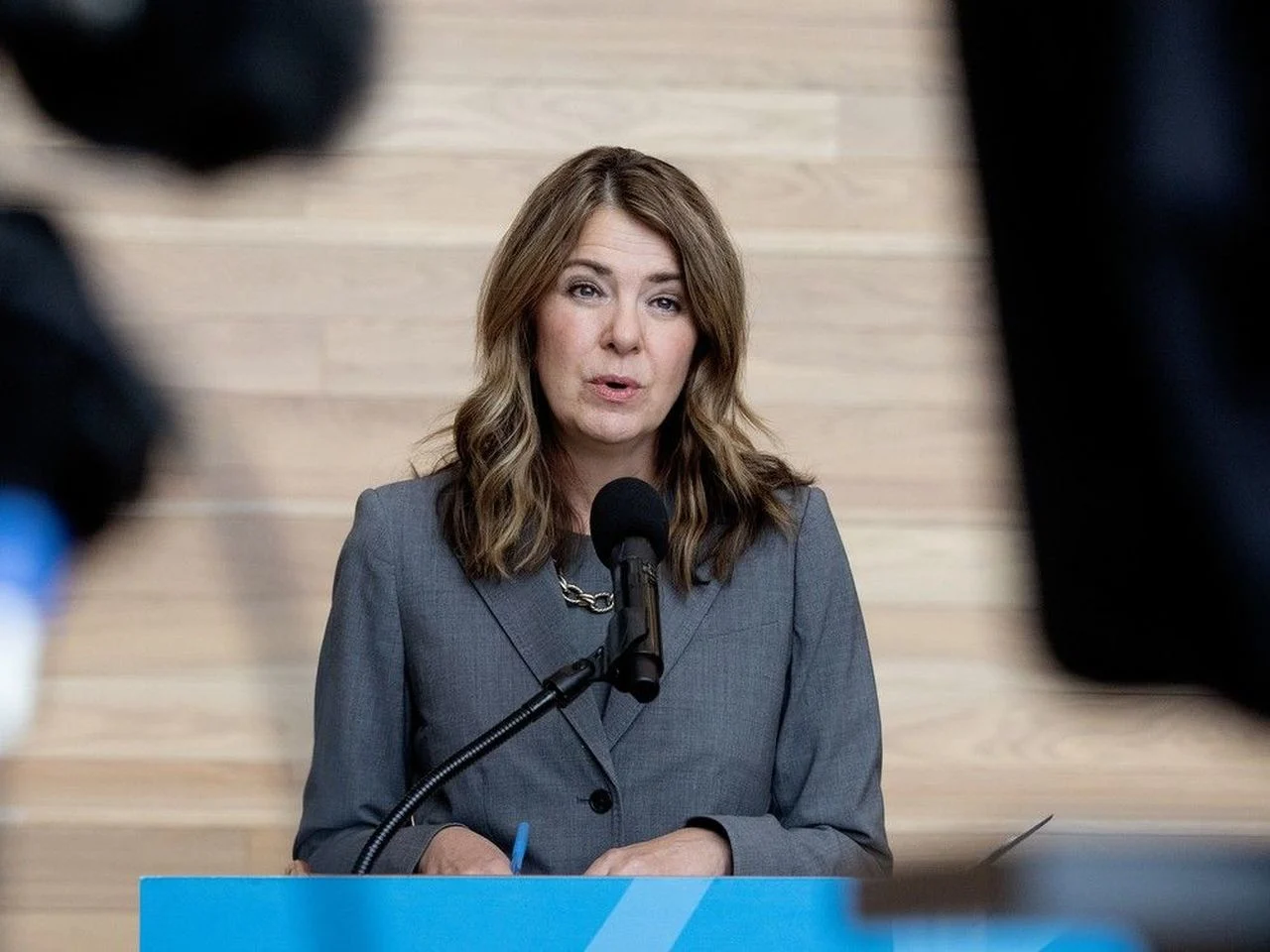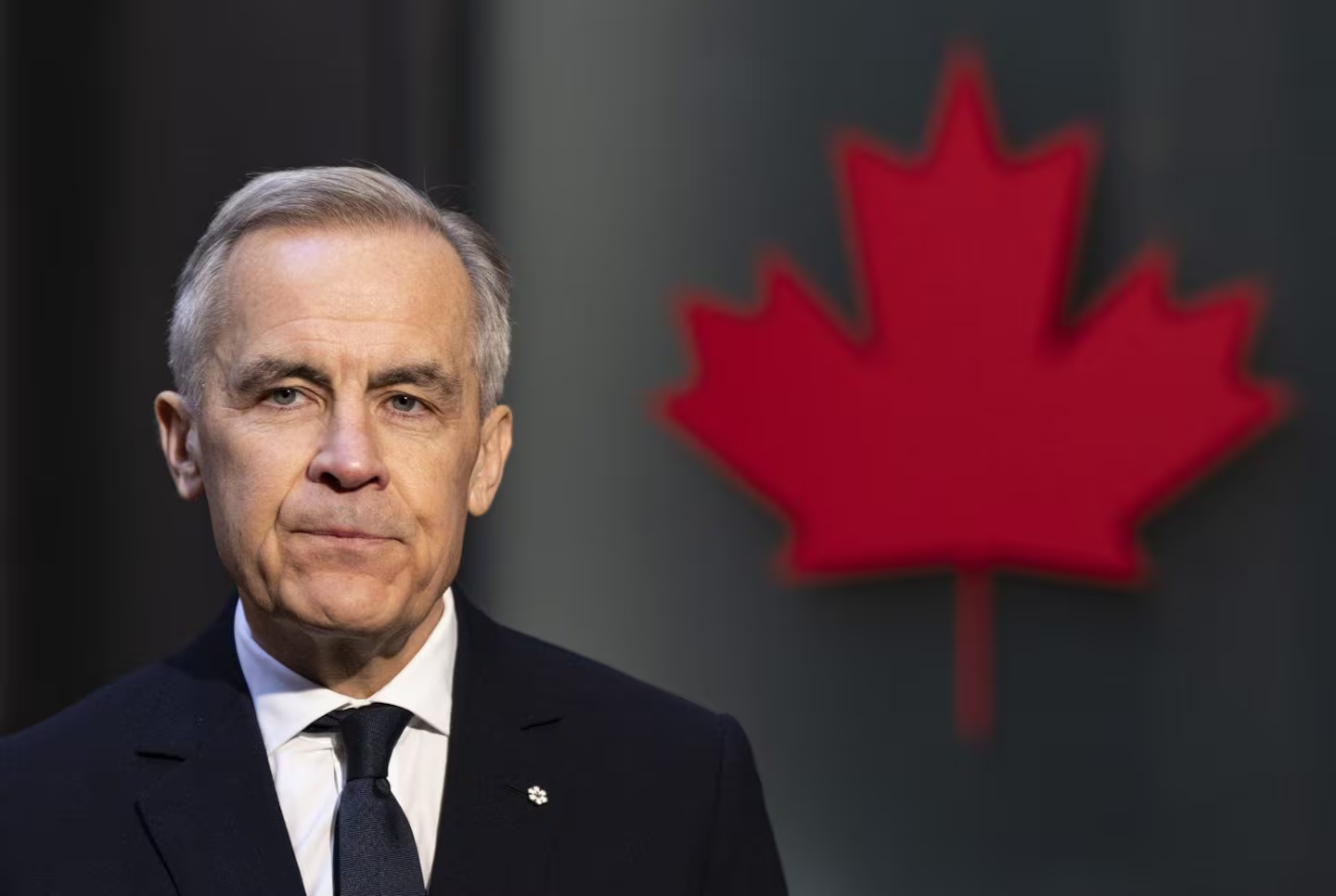
Prime Minister Mark Carney addresses reporters at the Canadian Embassy in Paris on Tuesday, January 6, 2026. The Canadian Press
Canada has signed a joint statement with Ukraine’s allies promising to help protect Ukraine from future Russian attacks if a workable peace agreement takes hold. The declaration came after talks in Paris among more than 30 countries known as the “coalition of the willing.”
Prime Minister Mark Carney wrapped up a short visit to Paris by confirming Canada’s support. He did not commit to sending Canadian troops but said the country stands ready to contribute as part of a broader effort.
A multinational plan after a ceasefire
The statement outlines a plan to send a multinational force to assist Ukraine once a ceasefire begins. The goal is to help keep the peace and support Ukraine if Russia launches another invasion. European countries would lead the effort, with support from non-European partners and the United States.
At a news conference, U.S. envoy Steve Witkoff said Washington backs the effort. “President Trump’s mandate is that he wants a peace in Ukraine, and we are determined on his behalf to do everything on his behalf to attain that peace,” he said.
Witkoff added the agreements include “security protocols, which are important so that the people of Ukraine know that when this ends, it ends forever.”
Leaders call the agreement a key step
Donald Trump’s son-in-law, Jared Kushner, who attended the Paris meetings, described the statement as “a big, big milestone” toward “an eventual peace deal.” He said, “This does not mean that we will make peace, but peace would not be possible without the progress that was made here today.”
French President Emmanuel Macron said the declaration shows wide international backing, including from Canada, Australia, New Zealand, and Japan. “In particular, the Canadian prime minister was with us today, which is a very strong signal and (he) is committed to these security guarantees,” Macron said.
Canada weighs its role
Speaking at the Canadian Embassy in Paris, Carney said sending Canadian troops remains only “a possibility.” He said working within a multinational force would carry far more weight than acting alone. Canada could begin by expanding training efforts. Canadian forces already train Ukrainian soldiers in Poland.
Carney said Canada’s growing military capacity supports a stronger role abroad. “We’ve been building that bench, and we’re going to continue to build that bench,” he said. “The largest military buildup in generations coming over the course of the next five years, an additional $80 billion of investment, in part because of issues like this.”
NATO and Arctic focus
Carney also met with NATO Secretary-General Mark Rutte, who praised Canada’s support for Ukraine and its leadership in the Arctic. Carney said Canada plans major investments to defend the Far North, calling the Arctic and Greenland NATO’s “western flank.”