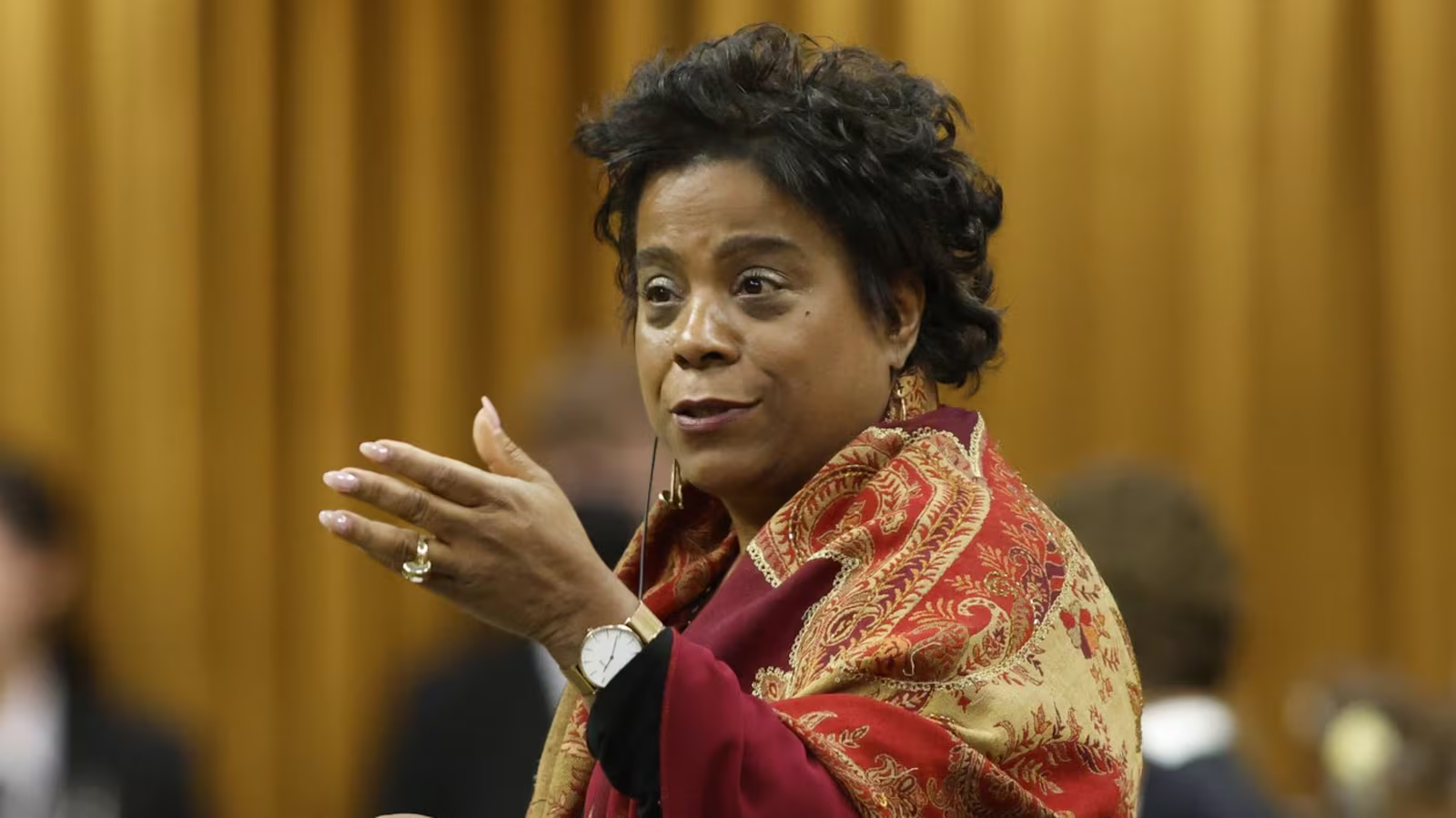
Health Minister Marjorie Michel rises during Question Period on Parliament Hill in Ottawa, on Thursday, Jan. 29, 2026.
The federal government has taken its first formal step toward a nationwide men’s health strategy, announcing a countrywide public survey that will help shape the policy framework expected later this year. The initiative, led by Health Minister Marjorie Michel, invites Canadians to share their experiences and priorities from early March through early June.
The move marks the first official acknowledgement that Ottawa is working on a coordinated approach to men’s and boys’ health — an area long flagged by researchers and advocacy groups as underserved.
Preventable Deaths Driving Urgency
Momentum for the strategy grew after a major report from Movember and the University of British Columbia highlighted troubling trends. The findings showed that 75,000 Canadian men died prematurely in 2023, many from preventable causes. The study also revealed persistent gaps in care: most men delayed seeking medical help for symptoms, and fewer than half felt heard during their first health-care interaction.
Health Canada confirmed it is collaborating with Movember Canada in designing the strategy, signalling a partnership between policymakers and the research community.
Economic and Social Impact
Officials say improving men’s health is not only a public health priority but also an economic one.
According to federal estimates based on the Movember research, better outcomes could save taxpayers about $12.4 million annually, with billions more generated through higher productivity.
In a statement, Michel framed the initiative as a nation-building effort, saying stronger health outcomes for men and boys would benefit families, workplaces and communities across the country.
Canada Among Few Countries with Dedicated Plan
If completed, Canada would join a small group of nations — including the United Kingdom, Australia, Brazil, Malaysia and South Africa — that have adopted national men’s health strategies.
Evidence from the U.K. underscores the stakes. British men have shorter life expectancies than women and face higher rates of cancer, cardiovascular disease and Type 2 diabetes. Suicide data is particularly stark, with men accounting for three-quarters of such deaths in 2024.
Not a Zero-Sum Approach
Health officials and researchers emphasize that focusing on men’s health does not come at the expense of women’s health. Instead, they describe it as a complementary effort aimed at reducing preventable illness, easing pressure on health systems and improving overall societal well-being.
With consultations about to begin, the federal survey is expected to play a central role in identifying barriers to care, shaping prevention programs and guiding how services are delivered to men and boys across Canada.