Young people between 5-19 were the hardest hit, and experts say the numbers likely reflect an influx of patients with atypical pneumonia during the last year. Image via Twitter
Emergency rooms across Canada saw a dramatic surge in pneumonia cases last fall. Newly released data shows that visits more than doubled compared with the previous year, raising concern among health experts.
The figures reveal that children and teenagers were the most affected, with pneumonia climbing sharply in hospital records.
A Post-COVID Spike in Pneumonia Cases
The Canadian Institute for Health Information reported that pneumonia-related ER visits jumped by over 100 percent. It marks the largest increase since the COVID-19 pandemic subsided.
Pneumonia was not even in the top ten reasons for emergency visits in 2023–24. But within a year, it rose to the third most common cause, following abdominal pain and chest or throat pain.
Why Young People Are Feeling It the Most
Doctors believe that many of these cases stemmed from atypical pneumonia, also known as walking pneumonia. This form is usually milder than traditional pneumonia, but it spread widely among school-aged children and teenagers during the last respiratory illness season.
Walking pneumonia causes cough, fever, and fatigue. Most people recover without medical treatment. Yet in severe cases, it can trigger rashes and even neurological issues. Parents are advised to seek care if symptoms persist.
The Bacteria Behind Walking Pneumonia
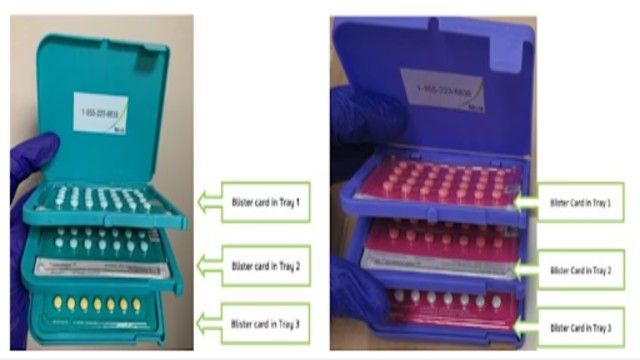
Walking pneumonia is caused by the bacteria mycoplasma pneumoniae. Unlike many bacteria, it lacks a cell wall. That makes common treatments like amoxicillin ineffective. Instead, macrolide antibiotics such as azithromycin, clarithromycin, or erythromycin are needed if medication is required.
Will This Fall Bring Another Wave?
It remains uncertain whether pneumonia numbers will spike again this season. However, experts note that infections of all kinds increased after pandemic restrictions such as masking ended.
Respiratory syncytial virus, for example, saw an unusually harsh season that hospitalized many children recently. Health specialists warn that similar rebounds are possible with other illnesses.
Cyclical Pattern of Walking Pneumonia
Health researchers note that walking pneumonia follows a predictable cycle. Cases typically rise sharply every three to seven years before declining again. While last fall may have marked the peak, doctors warn that risks remain high as children return to school.
Crowded classrooms, indoor gatherings, and colder weather all create conditions for bacteria and viruses to spread. Coughing and sneezing can pass infections even from people who show no symptoms.
Data Highlights
The data highlights just how steep the rise has been:
- September 2023: 7,542 pneumonia-related ER visits
- September 2024: 16,489 visits (119% increase)
- October 2023: 10,432 visits
- October 2024: 24,242 visits (132% increase)
- November 2023: 12,774 visits
- November 2024: 28,308 visits (122% increase)
Overall, the institute collected data from nearly 90 percent of emergency departments nationwide.
A Warning Ahead of Winter
As fall unfolds, health experts urge families to stay alert. While many cases resolve without antibiotics, pneumonia can still pose serious risks if ignored. With infections circulating more easily indoors, awareness and timely medical care remain crucial.