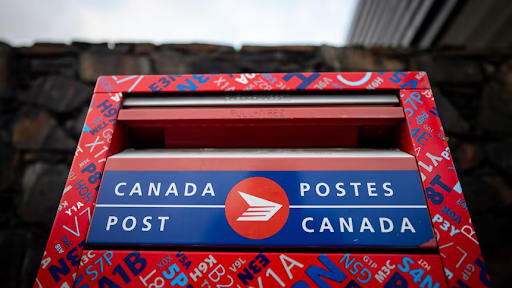
A Canada Post mail box is pictured in Richmond, B.C., on Sept. 26.
Canada Post and the Canadian Union of Postal Workers (CUPW) have reached an agreement in principle after two years of tense negotiations. The deal, if finalized, pauses strike action and could shape the future of mail delivery across the country.
Tentative Agreement Reached
CUPW confirmed that both parties have agreed on the main points of the proposed contracts. Rotating strikes have been suspended while the union and Canada Post finalize the contractual language.
“We need to agree on the contractual language that will form the collective agreements for a member vote,” CUPW said. The union also emphasized it retains the right to strike if negotiations stall.
Canada Post echoed the update, confirming that a tentative agreement has been reached, with a union vote still pending. All strike or lockout activities have been temporarily suspended during this process.
Holiday Season Tensions Remain
While strike actions are paused, both sides warned that a work stoppage could resume if they fail to agree on contract wording. The timing is sensitive, with the holiday season approaching, a period crucial for mail and parcel deliveries.
This development comes after months of sharp bargaining. CUPW pushed for higher wages and stronger job security, while Canada Post sought changes to address operational struggles and improve efficiency.
Background: The Nationwide Strike
The union launched a nationwide strike in late September after the federal government unveiled major reforms for Canada Post. Proposed changes included ending home delivery for the four million addresses still receiving it and lifting a moratorium on closing nearly 4,000 rural post offices.
These reforms aimed to modernize the Crown corporation amid financial losses and declining mail volumes. However, they intensified tensions with postal workers, fueling strikes and extended bargaining.
Financial Strains Highlighted
Canada Post has faced structural challenges for years, worsened by the labor dispute. The agency recently reported the steepest quarterly loss in its history, reflecting long-term financial pressures.
The tentative deal signals hope for stability, but the postal service’s operational and financial hurdles remain significant. Union concessions and management reforms will be key to restoring efficiency.
Next Steps: Union Vote and Contract Finalization
The agreement now moves to a union vote, where members will approve or reject the proposed terms. Officials emphasize that any breakdown in finalizing contract language could reopen labor tensions.
Canada Post and CUPW must navigate this delicate phase carefully. With the holiday season looming, timely resolution is critical to avoid major disruptions in mail and parcel delivery nationwide.
Broader Implications
The tentative deal reflects the balancing act between workers’ rights and operational viability in Canada’s postal service. CUPW’s insistence on safeguards, paired with Canada Post’s drive for efficiency, illustrates the broader challenges facing public services amid financial strain.As negotiations continue, stakeholders across the country are watching closely. The outcome will not only affect thousands of postal workers but also millions of Canadians relying on consistent mail delivery.