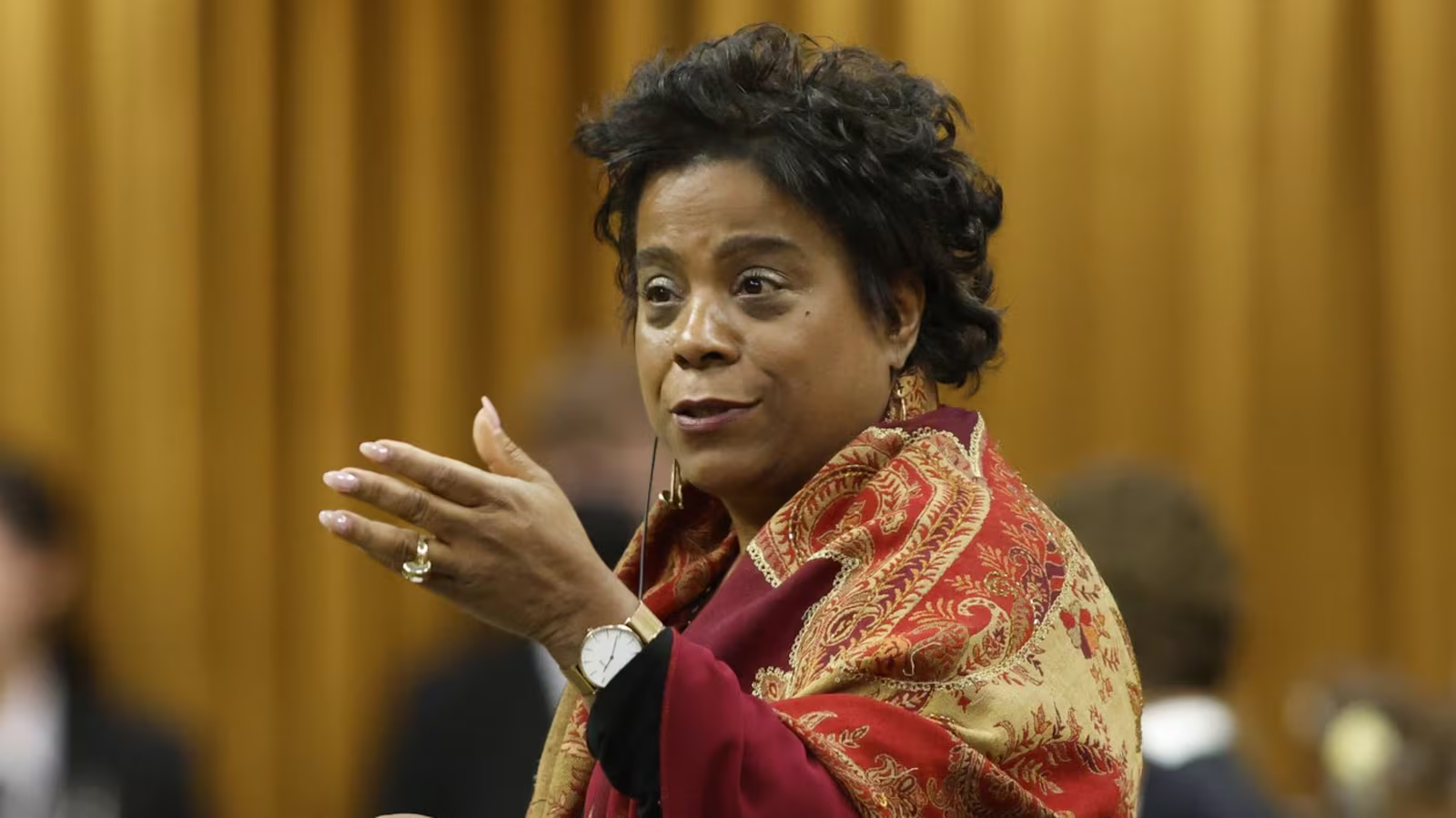
Health Minister Marjorie Michel rises during Question Period on Parliament Hill in Ottawa, Thursday, Oct. 2, 2025. The Canadian Press
Canada can no longer depend on the United States as a trusted partner for health and scientific guidance, according to federal Health Minister Marjorie Michel. Speaking in a year-end interview, Michel said growing political interference and misinformation in U.S. health agencies have forced Canada to rethink where it gets critical public health information.
She said trust has been shaken, especially on issues involving vaccines.
Michel acknowledged that the U.S. remains reliable in limited areas. But she stressed that vaccine science is no longer one of them. Canada, she said, must chart its own course.
Why Ottawa Is Losing Confidence
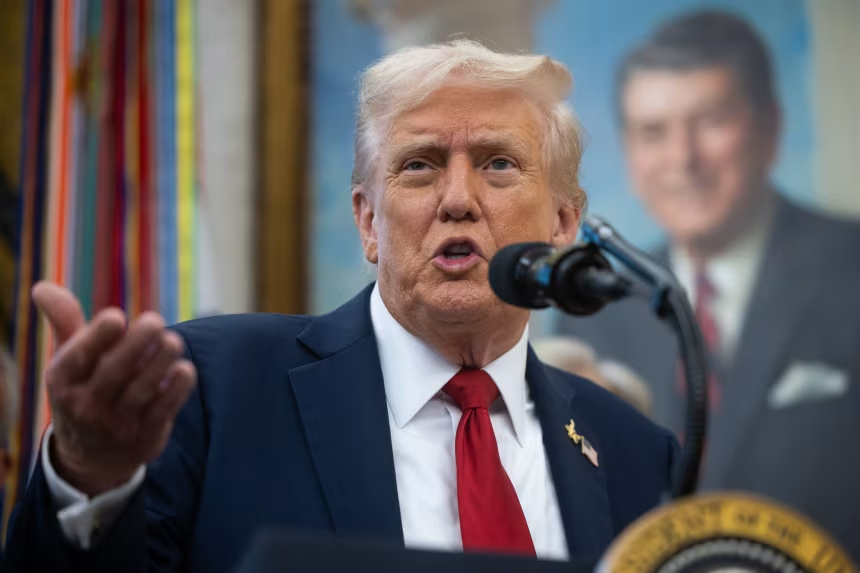
Recent developments in the U.S. health system have raised alarms among Canadian officials. Under President Donald Trump’s administration, key American health institutions have undergone major changes.
The U.S. Department of Health and Human Services is now led by Robert F. Kennedy Jr., a longtime vaccine skeptic. Under his leadership, content on the Centers for Disease Control and Prevention website was altered to question well-established scientific findings on vaccine safety.
That change prompted warnings from former CDC officials. Some said the agency’s public guidance can no longer be trusted.
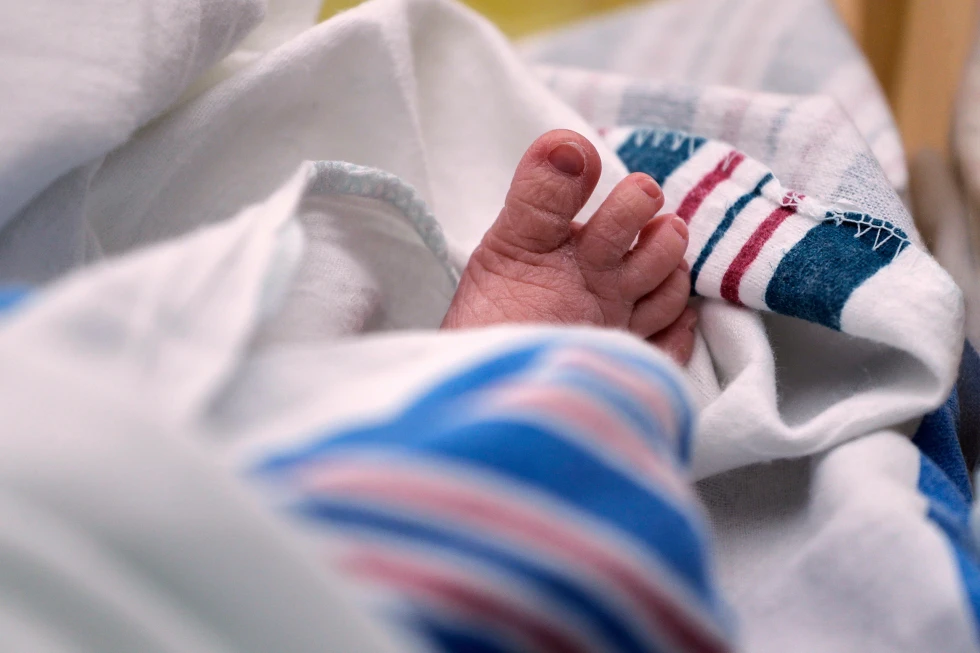
A U.S. advisory panel also recommended ending routine hepatitis B vaccinations for newborns. The panel is now reviewing the broader childhood immunization schedule.
Michel said these moves reflect a deeper problem. She described misinformation from the U.S. as a growing preoccupation for Canadian health leaders.
Canada Looks Elsewhere for Alignment
In response, Canada is shifting its focus toward like-minded countries that continue to support evidence-based public health policy.
Michel pointed to a recent federal-provincial-territorial health ministers meeting. At that gathering, all provinces agreed to place vaccination at the centre of their joint public health strategy.
The communique emphasized that vaccines save lives and reduce health care costs. Ministers also committed to coordinated action to rebuild trust and respond to outbreaks.
That unity, Michel said, is critical during a challenging moment for public health.
Measles Returns as a Warning Sign
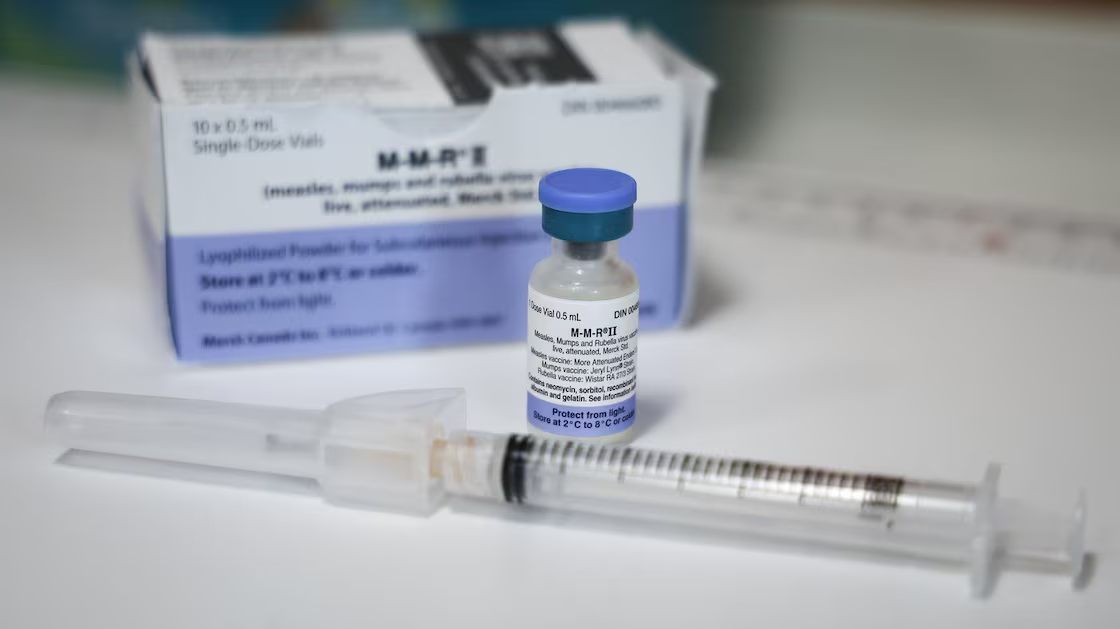
Canada is already seeing the consequences of declining vaccine confidence. This fall, the Pan American Health Organization revoked Canada’s measles-free status.
The designation had been held since 1998.
Outbreaks have spread across multiple provinces for more than a year. Experts say several factors are responsible. These include cuts to public health funding, a shortage of family doctors, and widespread vaccine misinformation.
Measles is highly contagious. Public health experts say vaccination rates must reach 95 per cent to maintain community protection.
A Broader Public Health Crisis
Canadian researchers have also raised concerns about the ripple effects of U.S. policy changes. An editorial in the Canadian Medical Association Journal warned that the Trump administration has weakened public health and research infrastructure.
The article cited major funding cuts to the CDC and the National Institutes of Health. Research into misinformation was also scaled back.
The authors described a growing crisis of communicable diseases across North America. They warned that weakened data collection and public guidance threaten effective disease control.
Rebuilding Trust at Home
Michel said Canada is not immune to these pressures. She acknowledged that mistrust toward vaccines increased after the COVID-19 pandemic.
She blamed confusion about vaccine science and the spread of false information online. Still, she remains cautiously optimistic.
Michel said confidence in vaccines is slowly returning. Rebuilding trust, she added, will take time and consistent leadership.
“We have to build back trust,” she said.
For Canada, that effort now means standing firmly behind science. And increasingly, it means standing apart from the United States.