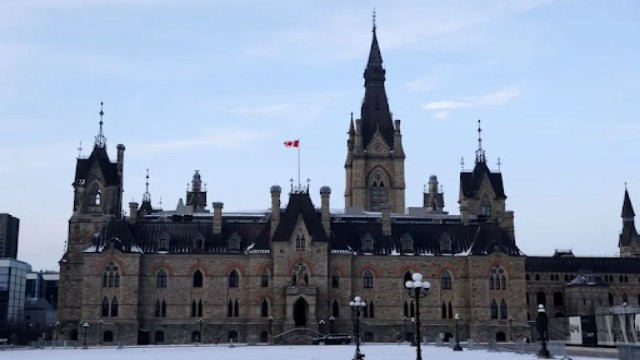
The West Block of Canada's Parliament Buildings in Ottawa is shown in this photo · Reuters
Canada’s federal budget deficit reached C$6.5 billion in just the first two months of the 2025-26 fiscal year, according to new figures released by the Finance Ministry on Friday. That’s a dramatic increase compared to the same time last year, when the deficit was C$3.82 billion.
The report points to a combination of rising government expenses and nearly flat revenue as the cause of this growing gap.
What’s Behind the Bigger Deficit?
The government’s program expenses rose by 4%, driven by higher spending across almost every major area. From health to public services, each sector contributed to the rise in expenses.
Another pressure point is Canada’s growing debt. Interest payments on public debt climbed 3.8%, a consequence of elevated interest rates on government bonds.
Revenues Remain Flat Despite Growing Costs
While spending increased, the government's income stayed nearly the same. Overall revenues rose by just C$26 million — a tiny bump considering the scale of the federal budget.
This slow growth was due to a drop in two key revenue sources: corporate income tax and the Goods and Services Tax (GST). However, those declines were slightly balanced by more money coming in from customs duties and personal income taxes.
Tariffs Drive a Surge in Import Duty Revenue
One standout figure in the report was the sharp increase in customs import duties. These revenues soared by 180% compared to the same period last year.
This jump is linked to Canada’s response to tariffs imposed by former U.S. President Donald Trump. In retaliation, Canada enforced counter-tariffs, which are now generating significantly more income from imported goods.
May’s Monthly Numbers Also Show Red Ink
Looking at May alone, the country posted a C$228 million deficit. This is a stark contrast from the same month in 2024, when Canada recorded a surplus of C$1.17 billion.
The shift highlights ongoing financial pressure on the government, as spending continues to outpace income month by month.
What Does This Mean for Canadians?
With expenses climbing and revenue barely increasing, the growing deficit could eventually affect public services or lead to new tax policies. While the government hasn’t announced any changes yet, continued budget shortfalls may force difficult decisions in the coming months.