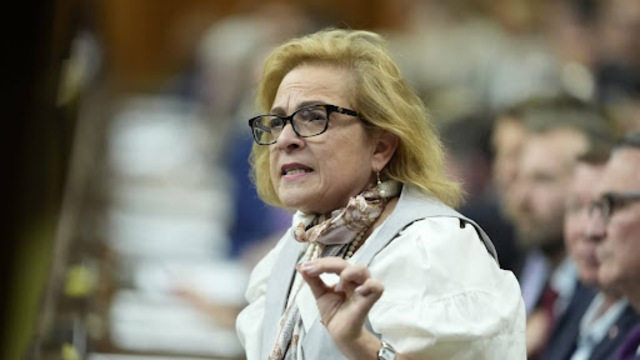
Immigration Minister Lena Metlege Diab speaks during question period in the House of Commons on Parliament Hill in Ottawa on Thursday, June 5, 2025. The Canadian Press
Government records show the immigration department suggested halting most private refugee sponsorship applications until late 2028. Officials believed a longer freeze was needed to clear a backlog of about 100,000 cases.
The program, which allows charities and groups of five Canadians to sponsor refugees, faced a sudden pause in November. Ottawa stopped accepting new sponsorships and lowered the number of files that large sponsorship agreement holders could submit. The freeze was supposed to end in 2025, but internal documents show the department considered keeping it much longer.
Concern over impact on refugees and sponsors
Refugee advocates say the pause created shock and hardship. Families abroad remain stuck, and Canadians who want to help feel sidelined.
“The impact was devastating, both for those who were waiting to be sponsored and those who are waiting to sponsor them,” said Gauri Sreenivasan, co-executive director of the Canadian Council for Refugees. She called the freeze damaging for communities and said it undercuts Canada’s global reputation for private sponsorship.
She warned that keeping the program closed for years would discourage volunteers. “The longer that you keep that program frozen, you extinguish hope, not just for the refugees,” she said.
Wait times remain long despite pause
The council says the backlog has not shrunk since the freeze began. Processing times last year stretched to 39 months. Documents suggest even a four-year closure would still leave wait times at about 18 months by 2028.
Groups had already started preparing files for 2025, but they now fear Ottawa will extend the freeze. Advocates say the lack of clear information is creating uncertainty across the country.
Government silence fuels frustration
Immigration Minister Lena Diab has not confirmed whether the freeze will end this year. The department has not shared its plan for immigration targets, usually released in the fall.
At the same time, Ottawa has promised to lower overall immigration numbers, blaming pressure on housing and services. Officials say those pressures come mostly from temporary residents, not refugees. Still, the immigration department has begun cutting staff and programs as part of wider cost reductions.
Calls for stronger humanitarian response
Advocates want Ottawa to raise the share of immigration reserved for humanitarian resettlement. They argue the current 9 per cent should rise to 15 per cent, given global displacement levels.
“Instead of Canada stepping forward at a time of rising global need with the strong capacity that we have, we’ve been very concerned to see Canada stepping back,” said Sreenivasan.
For now, communities remain in limbo, unsure if their efforts to welcome refugees will move forward or stay frozen.