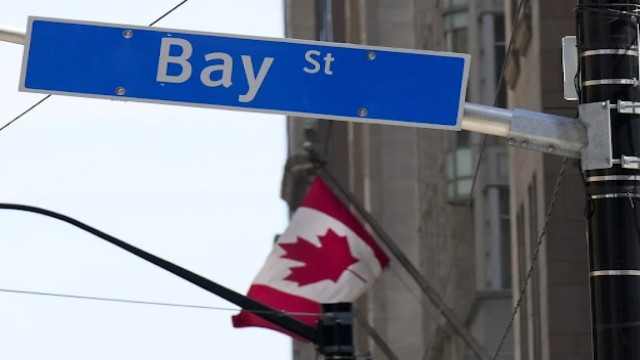
Toronto’s Bay Street financial district. (Photo credit: Nathan Denette / The Canadian Press)
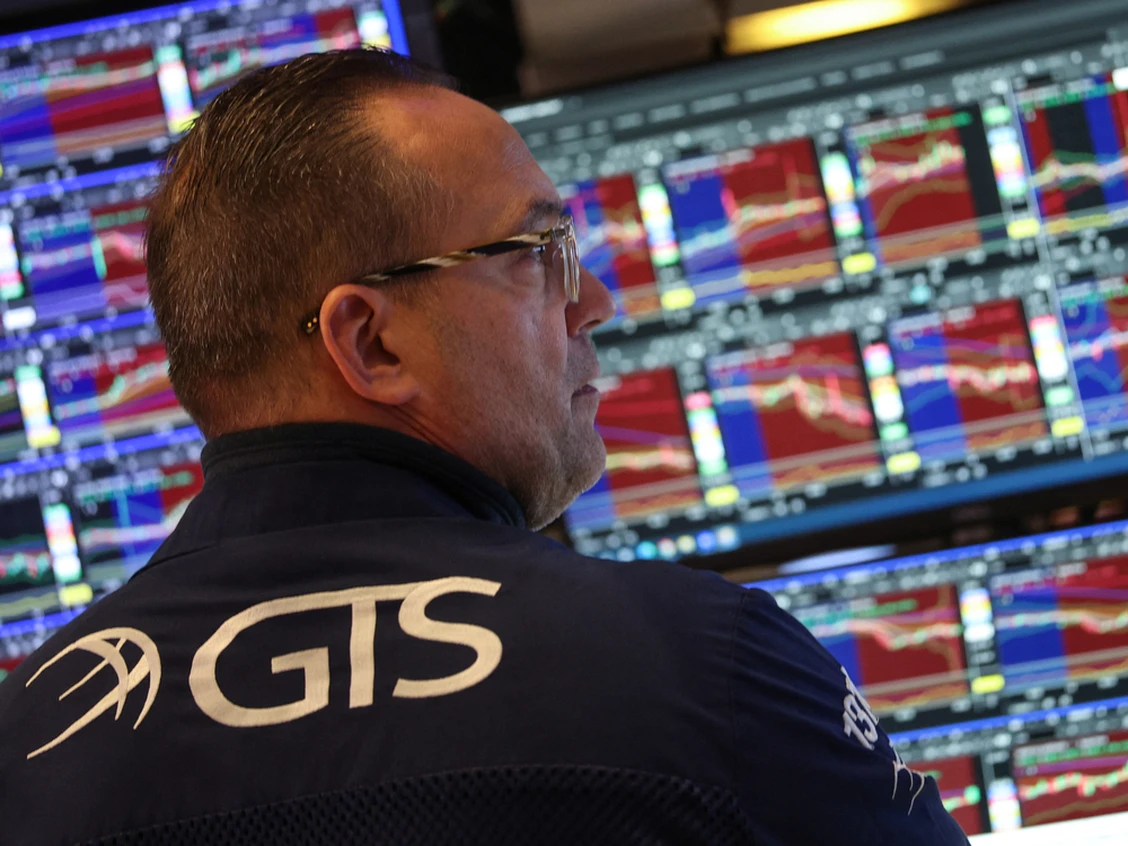
Canada’s main stock market finished stronger on Wednesday, thanks to a rise in consumer and financial sector stocks. Meanwhile, U.S. markets also celebrated new record highs after the U.S. and Japan reached a fresh trade agreement.
The S&P/TSX composite index ended the day up by 51.98 points, closing at 27,416.41.
South of the border, Wall Street surged. The Dow Jones climbed 507.85 points, reaching 45,010.29. The S&P 500 added 49.29 points to hit 6,358.91, marking a new record. The Nasdaq also rose 127.33 points to settle at 21,020.02, another all-time high.
Financial experts say these market jumps reflect relief and renewed confidence in global trade progress. Carol Schleif, chief market strategist at BMO Private Wealth, explained that investors are feeling reassured as more clarity emerges in global trade negotiations.
“People want to move past the tariff uncertainty,” Schleif noted. “These agreements give investors something solid to work with.”
The latest announcement from U.S. President Donald Trump introduced a trade framework that will impose a 15% tariff on imports from Japan—a lower rate than the 25% originally planned to take effect on August 1. This softer stance appears to have calmed markets.
Trump has previously threatened to impose heavy tariffs on a wide range of countries, raising concerns about inflation and economic slowdown. However, many of those threats are now on hold as the U.S. pursues deals with trading partners such as Indonesia, the Philippines, and now Japan. Trump also unveiled a trade deal with the Philippines on Tuesday.
Schleif emphasized that long-term stability depends on agreements with key partners like China, Mexico, and Canada. She said that investor sentiment around tariffs has become “more optimistic.”
With the August 1 tariff deadline approaching, Schleif believes the market isn't overly worried. “This year has shown that deadlines are often just a way to push talks forward, not necessarily final cut-off points,” she said.
According to Schleif, the Trump administration wants results—and fast. Unlike traditional diplomacy, which can take years, Trump’s team is moving quickly to wrap up negotiations. “They want everything settled fast. There’s no time for long talks and handshakes,” she said.
Looking ahead, Schleif is cautiously optimistic. “The global setup still looks good for equities, even though many wonders how long this momentum can last,” she added.
Despite the overall gains, some Canadian companies did face setbacks. Canadian National Railway Co. dragged the index down after slashing its outlook due to trade uncertainty. CN shares fell by 4.17%.
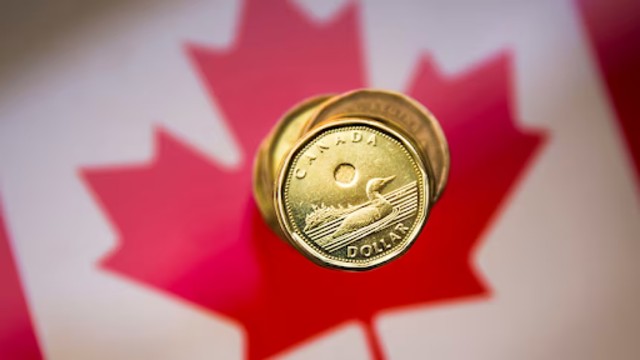
In currency trading, the Canadian dollar edged up slightly, closing at 73.48 cents US from 73.34 cents the day before.
Commodities showed mixed results. Crude oil for September dipped six cents to US$65.25 a barrel. Gold for August took a larger hit, falling by US$46.10 to end at US$3,397.60 an ounce.